China Custom Automobile Differential Transmission Gear on Agricultural Track gear patrol
Product Description
For example,
(1)Gear shafts for oil pump(gear pump). We have stocks for most popular sizes; Also we accept non-standard sizes orders.
We have complete production line with CNC turning, milling, teeth shaping, hobbing, heat treatment, grinding capacity, and inspecting devices. Different material, different tolerance, different heat treatment…Will be met according to customer’s requirements. We are familiar with ISO, ANSI, DIN, JIS standards.
Gear Specification:
1)Material: Carbon steel, alloy steel, stainless steel,
2)Modulus: 0.5-16mm
3)Number of teeth: 6-200
4)OD: 10-800mm
5)Precision grade: ISO6
6)Heat treatment: Right methods will be made for different material, quenching, case hardening, carburizing, nitriding, normalizing, etc.
7)Process: Forging, turning, milling, punching, grinding heat treatment, finish grinding
8)Surface: Self color, plating, phosphating, powder coating
9)OEM welcomed, small order quantities are accepted.
(2)Our Gear types: Straight Teeth Gear, Oblique Teeth Cylinder Gear, External Spur Gear, Helical Gear, Internal Spur Gear, Gear Shaft etc the standard and non standard according to the drawings or samples.
Material: 45#, 40Cr, 20CrMo, 20CrMoti, 17CrNiMo6, 20CrMnTi or the others
Heat treatment: Medium frequency quenching, high frequency quenching, carburizing and quenching, nitriding, Carbon-Nitriding, Salt bath quenching.
Working Process: Gearh hobbing, Gear shaving, Gear shaping, Gear grinding etc
Precision Grade: GB5-8, JIS 1-4, AGMA 12-9, DIN 6-9
Application area: Auto gearbox, medical equipment, metallurgical machinery, port machinery, lifting equipment, mining machinery, electrical power equipment, light industry equipment, environmental protection machinery.
(3)Our sprocket or chainwheel
The standard and non standard according to the drawings or samples.
Material: C45, S235JR, CAST STEEL or the others
1, Description: Sprocket, chainwheel
2, Types:
A) Standard sprocket
B) Finished bore sprocket
C) Taper bore sprocket
D) Double plate wheels
E) conveyor sprocket
3, Material: C45, S235JR, Nylon
4, Surface treatment: Zinc-plated, black finish
5, Single A-type, double A-type, Welding hub KB-type, Welding hub C-type etc for your reference.
6, heat treatment way: High frequency quenching, Through-hardened, carburizing and quenching
(4) Our manufacturer produces the worm shaft with special machine of which the production efficiency is 2 times more than the traditional method and the surface finish would be within 0.8-1.6. Also, all the finished worm gear and shafts will be tested with gear meshing effort meter in order to meet exactly the requirements from the clients. The material of worm gear: Brass, Al bronze, Phosphor bronze. The material of worm shaft: 42CrMo, 40Cr and so on. The worm gear and shafts we process can be used on the different products such as Gate valves gear operated and solar slew drive and our processing range is extensively including double-enveloping toroid worm gear and shaft, Niemann worm gear and shat, dual lead worm and non-standard worm.
The above represents some of the sizes offered. The other types of products can be considered CHINAMFG request.
Please feel free to contact us if you have any interested. /* January 22, 2571 19:08:37 */!function(){function s(e,r){var a,o={};try{e&&e.split(“,”).forEach(function(e,t){e&&(a=e.match(/(.*?):(.*)$/))&&1
| Application: | Motor, Agricultural Machinery, Car |
|---|---|
| Hardness: | Hardened Tooth Surface |
| Gear Position: | External Gear |
| Manufacturing Method: | Rolling Gear |
| Toothed Portion Shape: | Bevel Wheel |
| Material: | Alloy Steel |
| Customization: |
Available
| Customized Request |
|---|
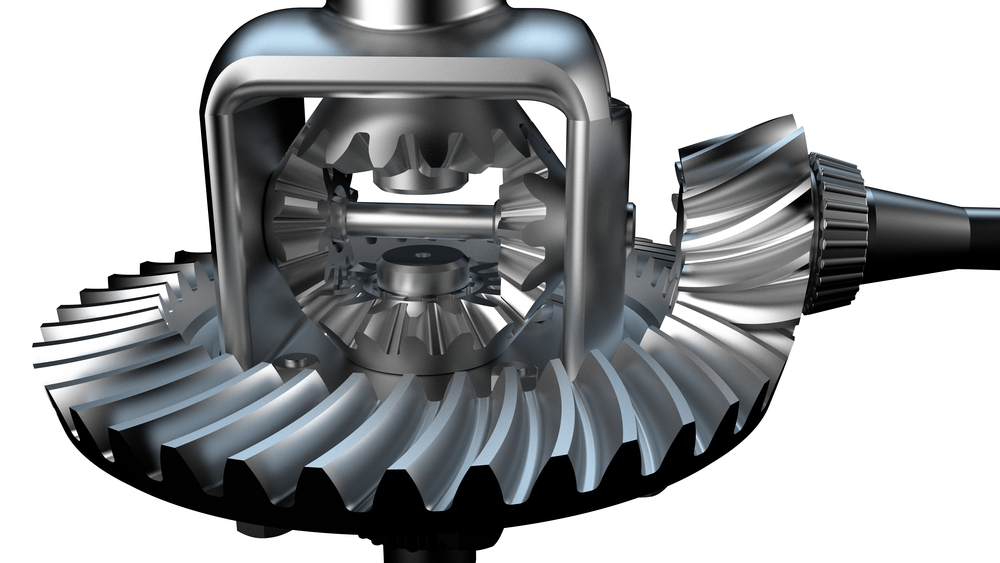
Can differential gears be used in electric and hybrid vehicles?
Yes, differential gears can be used in both electric and hybrid vehicles. While electric and hybrid vehicles have different powertrain configurations compared to traditional internal combustion engine vehicles, they still require differential gears to distribute power between the wheels and accommodate speed differences. Here’s a detailed explanation:
1. Electric Vehicles (EVs):
In electric vehicles, the power is provided by one or more electric motors. These motors generate torque directly, eliminating the need for a traditional transmission system with a driveshaft. However, EVs still require differential gears to distribute power between the wheels.
2. Single-Speed Transmissions:
Many electric vehicles use single-speed transmissions, also known as direct-drive systems, which do not require multiple gears for speed variation. In these cases, the differential gear is integrated into the electric motor assembly, allowing it to distribute torque between the wheels.
3. Speed and Torque Distribution:
The differential gear in electric vehicles functions similarly to those in conventional vehicles. It accommodates speed differences between the wheels during turns and adjusts torque distribution to ensure optimal traction and control. This helps prevent wheel slip and allows for smooth cornering.
4. Hybrid Vehicles:
Hybrid vehicles combine an internal combustion engine with one or more electric motors. The powertrain configuration varies depending on the type of hybrid system, such as series hybrids, parallel hybrids, or plug-in hybrids. Despite the presence of an internal combustion engine, differential gears are still utilized in hybrid vehicles.
5. Transmissions in Hybrid Vehicles:
Hybrid vehicles often incorporate transmissions to optimize power delivery and efficiency. These transmissions may include differential gears or specific components that perform similar functions to distribute power between the wheels.
6. Regenerative Braking:
Both electric and hybrid vehicles commonly use regenerative braking systems to capture and store energy during deceleration. Differential gears play a role in transmitting torque from the wheels to the electric motor during regenerative braking, allowing the motor to act as a generator and recharge the batteries.
7. Differential Types:
Electric and hybrid vehicles can utilize various differential types, including open differentials, limited-slip differentials, or electronically controlled differentials. The choice of differential depends on factors such as vehicle performance, traction requirements, and driving conditions.
8. Advancements and Innovations:
With the evolving technology in electric and hybrid vehicles, there are also advancements and innovations in differential systems. Manufacturers are exploring new designs, such as integrated motor and differential units, to optimize power distribution and efficiency in these vehicles.
In summary, differential gears are indeed used in electric and hybrid vehicles to distribute power between the wheels, accommodate speed differences, and ensure optimal traction and control. The specific configuration and integration of differential gears may vary depending on the vehicle’s powertrain design and transmission system.
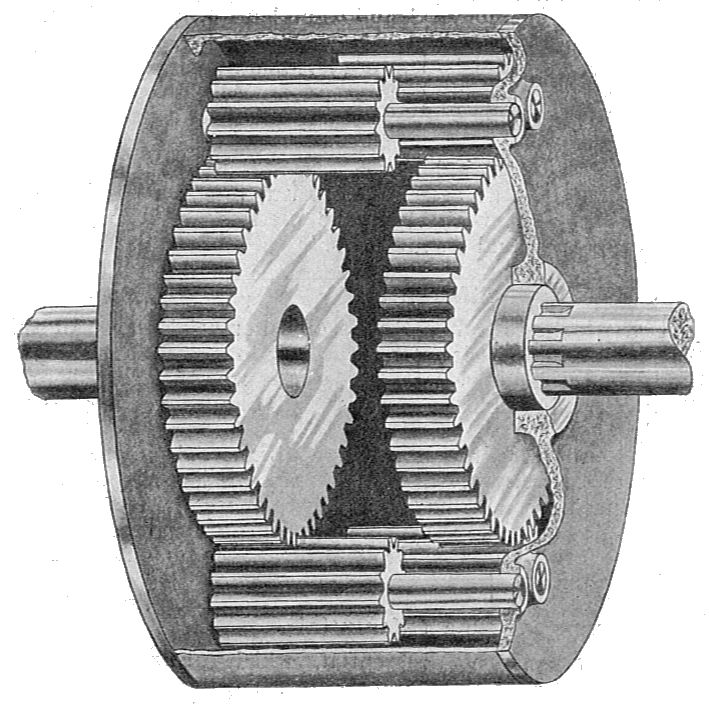
How do differential gears function in both front-wheel-drive and rear-wheel-drive vehicles?
In both front-wheel-drive and rear-wheel-drive vehicles, differential gears serve the same fundamental purpose of distributing power from the engine to the wheels while allowing them to rotate at different speeds. However, their specific configurations and functions differ between these two types of drivetrains. Here’s a detailed explanation of how differential gears function in both front-wheel-drive and rear-wheel-drive vehicles:
Front-Wheel-Drive Vehicles:
In front-wheel-drive vehicles, the differential gears are typically integrated into the transaxle assembly, which combines the transmission and differential into a single unit. Here’s how the differential gears function in front-wheel-drive vehicles:
- Power Input: The engine’s power is transmitted through the transmission to the transaxle assembly.
- Ring and Pinion Gears: The power from the transaxle is delivered to a set of ring and pinion gears within the differential assembly. These gears are responsible for distributing torque to the front wheels.
- Spider Gears: The ring gear is connected to a carrier that houses multiple smaller gears called spider gears. These spider gears allow the front wheels to rotate at different speeds during turns.
- Equal Torque Distribution: In front-wheel-drive vehicles, the differential gears prioritize equal torque distribution between the two front wheels. This design helps maintain traction and stability during acceleration and cornering.
- Traction Control: Some front-wheel-drive vehicles may also incorporate additional features in the differential assembly, such as electronic limited-slip differentials or traction control systems. These features help optimize traction by transferring power to the wheel with better grip, reducing wheel spin and improving overall performance.
Rear-Wheel-Drive Vehicles:
In rear-wheel-drive vehicles, the differential gears are typically located in the rear axle assembly. Here’s how the differential gears function in rear-wheel-drive vehicles:
- Power Input: The engine’s power is transmitted through the transmission to the driveshaft, which connects to the rear axle assembly.
- Drive Pinion and Ring Gear: The driveshaft is connected to a drive pinion gear, which meshes with a larger ring gear. This gear set is responsible for transferring power to the rear wheels.
- Spider Gears: Similar to front-wheel-drive vehicles, rear-wheel-drive vehicles also have spider gears housed within the differential assembly. The spider gears allow the rear wheels to rotate at different speeds during turns.
- Torque Distribution: In rear-wheel-drive vehicles, the differential gears distribute torque to the rear wheels in a manner that prioritizes rear-wheel traction and propulsion. This configuration is particularly beneficial for vehicle acceleration and load-carrying capability.
- Enhanced Features: Rear-wheel-drive vehicles may also incorporate advanced differential systems, such as limited-slip differentials or electronic locking differentials, to optimize traction and performance. These features help improve grip, especially in challenging driving conditions or when driving off-road.
In summary, differential gears function differently in front-wheel-drive and rear-wheel-drive vehicles due to their distinct drivetrain configurations. In front-wheel-drive vehicles, the differential gears are typically integrated into the transaxle assembly and prioritize equal torque distribution to the front wheels. In rear-wheel-drive vehicles, the differential gears are located in the rear axle assembly and focus on torque distribution to the rear wheels for propulsion. Understanding the specific functions of differential gears in each drivetrain type is essential for optimizing vehicle performance, traction, and stability.
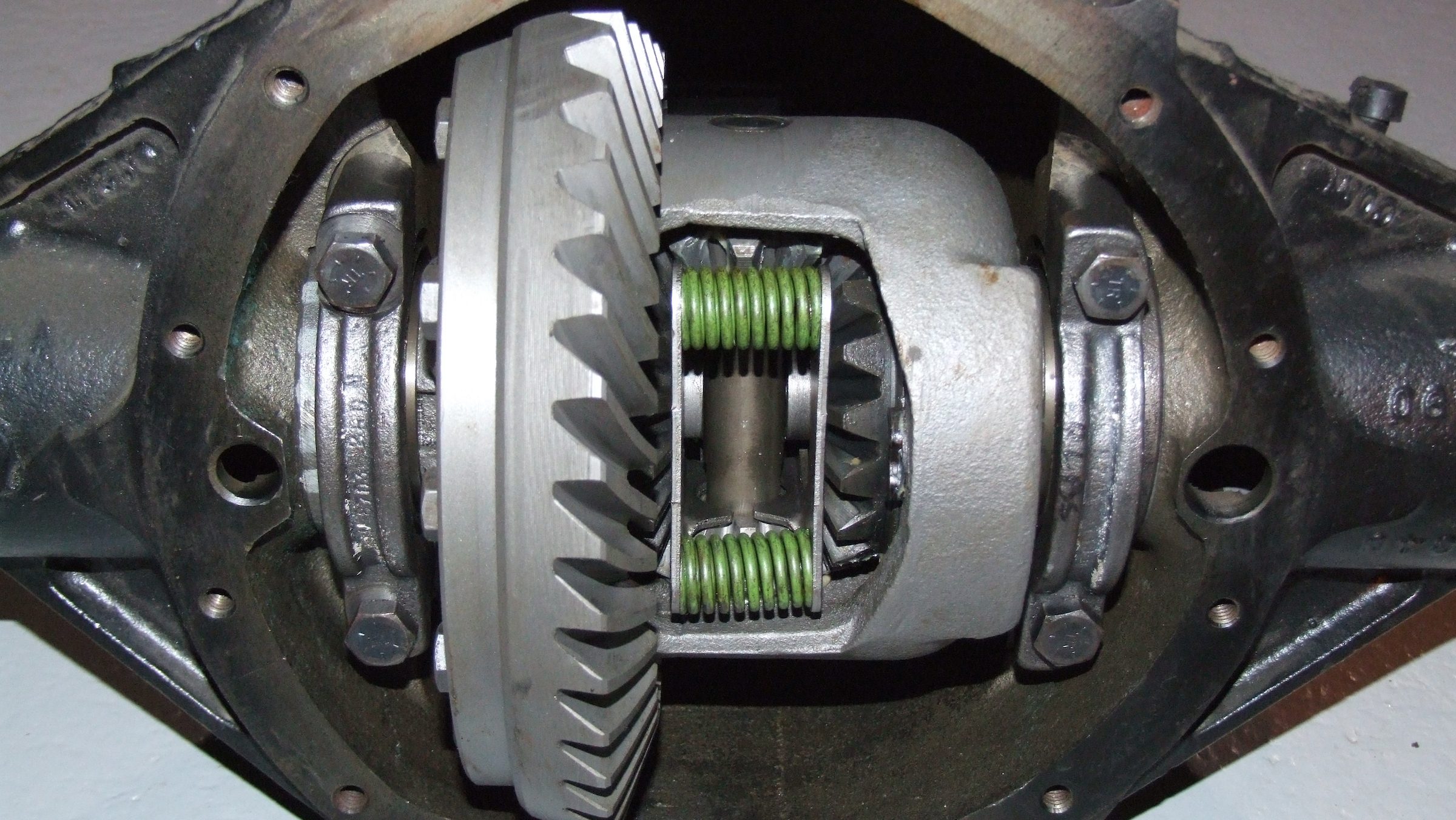
Are there different types of differential gears available?
Yes, there are different types of differential gears available, each designed to suit specific driving conditions and performance requirements. Here’s an overview of some commonly used types of differential gears:
1. Open Differential:
An open differential is the most basic and widely used type of differential gear. It allows the wheels to rotate at different speeds during turns while equally distributing torque. In normal driving conditions, an open differential provides smooth operation and is relatively inexpensive. However, it has limited traction improvement capabilities and may distribute power to the wheel with the least resistance, which can be a disadvantage in low-traction situations.
2. Limited-Slip Differential (LSD):
A limited-slip differential (LSD) improves upon the capabilities of an open differential by providing some degree of torque biasing. LSDs use various mechanisms, such as clutch packs, viscous fluids, or gear arrangements, to transfer more torque to the wheel with better traction. This helps improve traction and power delivery, especially in situations where one wheel has reduced traction. LSDs strike a balance between improved traction and maintaining drivability for everyday use.
3. Electronic Limited-Slip Differential (ELSD):
An electronic limited-slip differential (ELSD) is a modern variation of the limited-slip differential. It incorporates electronic sensors and actuators to actively monitor wheel speeds and traction conditions. The ELSD can quickly and precisely distribute torque to the wheels with better traction, enhancing overall performance and stability. ELSDs are often found in high-performance or advanced all-wheel drive systems.
4. Torsen Differential:
A Torsen (short for Torque-Sensing) differential is a type of differential gear that uses a worm gear arrangement to distribute torque. Torsen differentials can provide a higher torque biasing ratio compared to LSDs. They have a mechanical, self-acting design that automatically transfers torque to the wheel with better traction. Torsen differentials are commonly used in performance-oriented vehicles and off-road applications.
5. Locking Differential:
A locking differential is designed to maximize traction in off-road or extreme driving conditions. It allows both wheels to receive an equal amount of torque simultaneously, regardless of traction conditions. Locking differentials can be manually engaged or automatically activated by sensors detecting wheel slip. While locking differentials enhance traction, they can also negatively impact handling on paved surfaces, making them more suitable for off-road or specialized applications.
6. Torque Vectoring Differential:
A torque vectoring differential is a more advanced type of differential that actively distributes torque to individual wheels to enhance vehicle dynamics. It uses electronic systems to monitor various vehicle parameters, such as wheel speed, steering input, and lateral acceleration. By selectively applying torque to specific wheels, torque vectoring differentials can improve cornering performance, stability, and agility.
These are just a few examples of the different types of differential gears available. Each type offers unique characteristics and advantages, allowing vehicle manufacturers to tailor the differential system to specific driving conditions, performance requirements, and driver preferences.


editor by CX 2024-04-11