China high quality Customized Plastic Wear-Resistant Nylon Gear with Good quality
Product Description
custom spur cnc plastic nylon pom flexible gear rack and pinion for linear motion
ZheJiang Enginnering Plastics Industries (Group) co., Ltd established in January 2009 , is a professional production
of “engineering plastics accessories” high-tech enterprises. Company main products : UHMW-PE , MC Nylon , PA6 ,
POM, HDPE , ABS , PU , PC , PVC, PP , PET , PBT , Acrylic, PEEK, PPS , PTFE , PVDF , PAI, PEI , PSU , PI, PBI
Antistatic product series . Company also provide wide range of accessories processing conditions , such as mass
customization production ability , exquisitemanufacturing technology and advanced production equipment , professional
technical advice and after-sales service. Companies strictly enforce the ISO9001(2008) International quality certification
system , the product quality conforms to the EU Rohs standard .
| Name | Plastic nylon6 sleeve |
| Material | High Performance Engineering Plastics–100% Virgin Nylon6 Raw Material. |
| Color | Nature color / Customized |
| Advantage | 1.Very good sliding properties even without lubrication 2.Good thermal mechanical bearing strength 3.Good chemical and hydrolysis resistance even against superheated steam 4.Very wear resistant 5.Very rigid 6.Light weight |
| Brand Name | Engineering Plastics / OEM |
| Size | Custom made as your drawing or sample |
| Density | 1.2g/cm3 |
| Manufacture way | Molding Injection and CNC Machinery process |
| MOQ | Accept the Sample order, and supply good price for the big quantity order. |
| Certification | ISO9001,SGS,FDA,RoHS,Test Report,ect. |
| Sample | Free the molding injection sample for customers after paying the mould Cost. |
| Sample time | 30 Days for manufacturing the injection mould and finished the samples for Customers. |
| Mass production time | 10-30 days based on the order quantity. |
| Payment | PayPal, Escrow, Western union, Money Gram, T/T and Alibaba Trade Assurance. |
| Packing | 5-ply environment-friendly corrugated boxes/ Plastic Pallets/ Wooden Pallets/ wooden cartons/ 20 feet Container / 40feet Container/ Customized |
| Other | 24 hours instant and comfortable customer service. Shipping status notification during delivery. Regular notification of new styles & hot selling styles |
1, thread H4 fine car grade tolerance 4H fine car grade production, vertical accuracy 0.005mm
2, high strength steel hardness HRC28, phosphoric acid plating on the surface and after lubrication
Each lock nut is provided with independent packaging to ensure qualitySpecializing in the production of “engineering plastic accessories” of high-tech enterprises, the company has a set of
imported production equipment and CNC processing equipment, processing means advanced, strong technical force.The company has rich experience, strong strength and participated in many high-end exhibitions;Many partners from
other countries are visitingQ1. We don’t have drawings, can we produce according to the samples we provide?
A1. OK
Q2. How to customize plastic parts?
A2. Customized according to drawings
Q3. Can I make a sample for testing first?
A3. OK
Q4. How long is the proofing cycle?
A4. 2-5 days
Q5. What are your processing equipment?
A5. CNC machining center, CNC lathe, milling machine, engraving machine,injection molding machine, extruder, moldin
machine
Q6. What craftsmanship do you have for processing accessories?
A6. According to different products, different processes are used, such as machining, extrusion, injection molding, etc.
Q7. Can injection products be surface treated? What are the surface treatments?
A7. OK. Surface treatment: spray paint, silk screen, electroplating, etc.
Q8. Can you help assembling the product after it is made?
A8. OK.
Q9. How much temperature can the plastic material withstand?
A9. Different plastic materials have different temperature resistance, the lowest temperature is -40ºC, and the highest
temperature is 300ºC. We can recommend materials according to the working conditions of your company.
Q10. What certifications or qualifications does your company have?
A10. Our company’s certificates are: ISO, Rohs, product patent certificates, etc.
Q11. How scale is your company?
A11. Our company covers an area of 2,000 square CHINAMFG and has 100 employees.
/* January 22, 2571 19:08:37 */!function(){function s(e,r){var a,o={};try{e&&e.split(“,”).forEach(function(e,t){e&&(a=e.match(/(.*?):(.*)$/))&&1
| Application: | Motor, Electric Cars, Motorcycle, Machinery, Marine, Toy, Agricultural Machinery, Car |
|---|---|
| Hardness: | Soft Tooth Surface |
| Gear Position: | External Gear |
| Manufacturing Method: | Cast Gear |
| Toothed Portion Shape: | Spur Gear |
| Material: | Nylon |
| Customization: |
Available
| Customized Request |
|---|
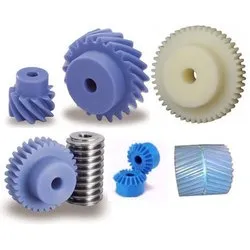
How do plastic gears contribute to reducing noise and vibration?
Plastic gears contribute to reducing noise and vibration in various applications. Here’s a detailed explanation of how they achieve this:
Plastic gears possess inherent properties that help dampen noise and vibration during operation. These properties, combined with specific design considerations, contribute to the reduction of noise and vibration in the following ways:
- Damping Characteristics: Plastic materials have inherent damping characteristics, meaning they have the ability to absorb and dissipate vibrations. When compared to metal gears, which are stiffer and transmit vibrations more efficiently, plastic gears can effectively reduce the transmission of vibrations through their damping properties.
- Reduced Resonance: Plastic gears have the ability to attenuate resonant frequencies, which are frequencies at which vibrations can be amplified. By properly designing the tooth profile, gear geometry, and material selection, plastic gears can shift or dampen these resonant frequencies, preventing excessive vibration and noise generation.
- Tighter Gear Mesh Tolerances: Plastic gears can be manufactured with tighter gear mesh tolerances, which refers to the amount of clearance or backlash between mating gear teeth. Tighter tolerances lead to better gear engagement and reduced impact or vibration during gear meshing, resulting in quieter operation.
- Surface Finishes: The surface finish of plastic gears can be optimized to reduce friction and noise. Smoother gear surfaces reduce the potential for gear tooth noise and improve the overall meshing characteristics between gears. Proper lubrication or the use of self-lubricating plastic materials can further enhance the noise-reducing properties.
- Flexibility in Tooth Design: Plastic gears offer greater flexibility in tooth design compared to metal gears. Engineers can optimize the tooth profile and modify the gear geometry to minimize noise and vibration. For example, incorporating modifications such as profile shifting, tip relief, or helical teeth can help reduce gear noise by promoting smoother and more gradual tooth engagements.
By leveraging these characteristics and design considerations, plastic gears can effectively reduce noise and vibration levels in various applications. This makes them particularly suitable for use in noise-sensitive environments, such as consumer electronics, automotive components, or office equipment.
It’s important to note that while plastic gears can contribute to noise and vibration reduction, the specific noise performance also depends on other factors within the overall system, such as gear arrangement, supporting structures, and the presence of other noise sources. Therefore, a holistic approach to noise reduction should be considered when incorporating plastic gears into a design.
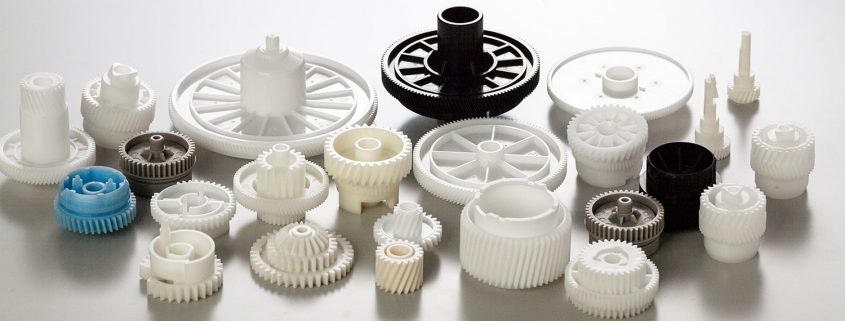
How do plastic gears handle lubrication and wear?
Plastic gears handle lubrication and wear differently compared to metal gears. Here’s a detailed explanation of their behavior:
1. Lubrication in Plastic Gears: Lubrication plays a crucial role in the performance and longevity of plastic gears. While metal gears often require continuous lubrication, plastic gears have different lubrication requirements due to their inherent properties. Here are some key considerations:
- Self-Lubrication: Some plastic materials, such as certain formulations of polyoxymethylene (POM), have inherent self-lubricating properties. These materials have a low coefficient of friction and can operate with minimal lubrication or even dry. Self-lubricating plastic gears can be advantageous in applications where the use of external lubricants is impractical or undesirable.
- Lubricant Compatibility: When external lubrication is necessary, it’s important to choose lubricants that are compatible with the specific plastic material used in the gears. Certain lubricants may degrade or adversely affect the mechanical properties of certain plastics. Consultation with lubricant manufacturers or experts can help identify suitable lubricants that won’t cause degradation or wear issues.
- Reduced Lubricant Requirements: Plastic gears generally have lower friction coefficients compared to metal gears. This reduced friction results in lower heat generation and less wear, which in turn reduces the demand for lubrication. Plastic gears may require less frequent lubricant replenishment or lower lubricant volumes, reducing maintenance requirements.
- Appropriate Lubricant Application: When applying lubricant to plastic gears, care should be taken to avoid excessive amounts that could lead to contamination or leakage. Lubricants should be applied in a controlled manner, ensuring they reach the critical contact points without excessive buildup or excess spreading beyond the gear surfaces.
2. Wear in Plastic Gears: Plastic gears exhibit different wear characteristics compared to metal gears. While metal gears typically experience gradual wear due to surface interactions, plastic gears may undergo different types of wear mechanisms, including:
- Adhesive Wear: Adhesive wear can occur in plastic gears when high loads or speeds cause localized melting or deformation at the gear teeth contact points. This can result in material transfer between gear surfaces and increased wear. Proper material selection, gear design optimization, and lubrication can help minimize adhesive wear in plastic gears.
- Abrasive Wear: Abrasive wear in plastic gears can be caused by the presence of abrasive particles or contaminants in the operating environment. These particles can act as abrasive agents, gradually wearing down the gear surfaces. Implementing effective filtration or sealing mechanisms, along with proper maintenance practices, can help reduce abrasive wear in plastic gears.
- Fatigue Wear: Plastic materials can exhibit fatigue wear under cyclic loading conditions. Repeated stress and deformation cycles can lead to crack initiation and propagation, ultimately resulting in gear failure. Proper gear design, material selection, and avoiding excessive loads or stress concentrations can help mitigate fatigue wear in plastic gears.
3. Gear Material Selection: The choice of plastic material for gears can significantly impact their lubrication and wear characteristics. Different plastic materials have varying coefficients of friction, wear resistance, and compatibility with lubricants. It’s important to select materials that offer suitable lubrication and wear properties for the specific application requirements.
4. Operational Considerations: Proper operating conditions and practices can also contribute to the effective handling of lubrication and wear in plastic gears. Avoiding excessive loads, controlling operating temperatures within the material’s limits, implementing effective maintenance procedures, and monitoring gear performance are essential for ensuring optimal gear operation and minimizing wear.
In summary, plastic gears can handle lubrication and wear differently compared to metal gears. They may exhibit self-lubricating properties, reduced lubricant requirements, and require careful consideration of lubricant compatibility. Plastic gears can experience different types of wear, including adhesive wear, abrasive wear, and fatigue wear. Proper material selection, gear design, lubrication practices, and operational considerations are crucial for ensuring efficient lubrication and minimizing wear in plastic gears.
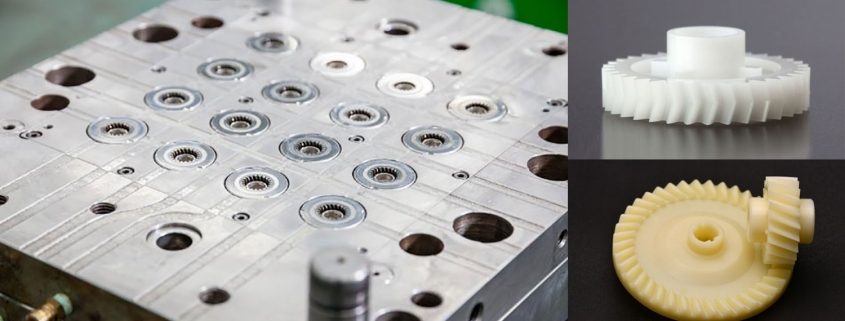
What are the advantages of using plastic gears in machinery?
Plastic gears offer several advantages when used in machinery. Here’s a detailed explanation of the advantages of using plastic gears:
- Lightweight: Plastic gears are significantly lighter in weight compared to metal gears. This lightweight characteristic is particularly beneficial in applications where weight reduction is important, as it can contribute to energy efficiency, lower inertia, and reduced wear on supporting components.
- Low Noise and Vibration: Plastic gears have inherent damping properties, which help reduce noise and vibration levels during operation. The ability to absorb and dissipate vibrations leads to quieter machinery, making plastic gears suitable for applications where noise reduction is desired, such as in consumer electronics or office equipment.
- Corrosion Resistance: Certain plastic materials used in gear manufacturing exhibit excellent resistance to corrosion and chemicals. This makes plastic gears suitable for applications in corrosive environments, where metal gears may suffer from degradation or require additional protective coatings.
- Self-Lubrication: Some plastic materials used for gear manufacturing have self-lubricating properties. These materials can reduce friction and wear between gear teeth, eliminating the need for external lubrication. Self-lubricating plastic gears can simplify maintenance requirements and reduce the risk of lubricant contamination or leakage in machinery.
- Cost-Effective: Plastic gears can be more cost-effective compared to metal gears, especially in large-scale production. Plastic materials are often less expensive than metals, and the manufacturing processes for plastic gears can be more efficient, resulting in lower overall production costs. This cost advantage makes plastic gears an attractive option for applications where budget considerations are important.
- Design Flexibility: Plastic gears offer greater design flexibility compared to metal gears. Plastic materials can be easily molded into complex shapes, allowing for the creation of custom gear profiles and tooth geometries. This design flexibility enables gear optimization for specific applications, improving performance, efficiency, and overall machinery design.
- Electrical Insulation: Plastic gears provide electrical insulation properties, which can be advantageous in machinery where electrical or electronic components are in close proximity to the gears. The electrical insulation helps prevent the risk of electrical short circuits or interference caused by metal gears coming into contact with conductive parts.
It’s important to note that while plastic gears offer unique advantages, they also have limitations. They may not be suitable for applications requiring extremely high torque, high temperatures, or where precise positioning is critical. The selection of plastic gears should consider the specific requirements of the machinery and the mechanical properties of the chosen plastic material.


editor by CX 2024-04-11