China supplier Custom Design Precision Machining Stainless Steel Pinion Plastic Spur Gears bevel gearbox
Product Description
Custom Design Precision Machining Stainless Steel Pinion Plastic Spur Gears
At CHINAMFG Industry, we use the latest machining technology with a wide range of capabilities to meet your demands. Our manufacturing facilities include 3-5 axis milling, lathes, grinding, etc, and state of the art metrology. With these machines, we produce complex parts in the most efficient and accurate way. Our manufacturing capabilities allow us to develop your part from prototype to mass production for the most precise of jobs.
| Processing Method | CNC Milling, CNC Turning, Turning-Milling Machining, Micro Machining, Grinding, Boring, Tapping. |
| Material | Stainless Steel, Alloy Steel, Carbon Steel, Free-cutting Steel, Brass, Copper, Aluminum, POM, PTFE. |
| Finish Treatment | Polishing, Sand Blasting, Anodizing, Zinc Plating, Nickel Plating, Blackening, QPQ, Painting, etc.. |
| Tech. Standard | ANSI, ASTM, DIN, JIS, BS, GB, ISO, etc.. |
| Application | Medical, Aerospace, Millitary, Instrument, Optics, Food Equipment, AUTO Parts, Furniture, etc.. |
Precision Machining is the most important sector in CHINAMFG Industry, we have been a trusted manufacturing supplier in this field for over 15 years. We have built an impeccable reputation on quality, customer service and utilizing state-of-the-art equipment. Our expertise has made us the Best in Quality and Innovation.
Machining Facilities
| Equipment Description | Workpiece Dimensions | Processing Accuracy | Quantities | Brand |
| 3-axis machining center | Max. 1000 x 1200mm | +/-0.01mm | 6 | DMG |
| 4-axis machining center | Max. 1000 x 1500mm | +/-0.01mm | 4 | DMG |
| 5-axis machining center | Max. 1000 x 1500mm | +/-0.01mm | 2 | DMG |
| CNC lathe | Max. diameter 100mm | +/-0.01mm | 20 | SMTCL |
| General lathe | Max. diameter 500mm | +/-0.05mm | 2 | SMTCL |
| Turning-Milling machine | Max. diameter 100mm | +/-0.01mm | 6 | DMG |
| Longitudinal lathe | Max. diameter 30mm | +/-0.01mm | 6 | TSUGAMI |
| Automatic lathe | Max. diameter 20mm | +/-0.02mm | 30 | TY |
| CNC Swiss Lathe | Max. diameter 20mm | +/-0.01mm | 6 | TSUGAMI |
Other assist equipments include:
Milling machine, Drilling machine, Centerless Grinding machine, External Cylindrical Grinding machine, etc.
Inspection equipment:
Vernier Caliper, Micrometer, Height Gage, Hardness Tester, Two-dimensional image measuring instrument, TESA Micro-Hite 300, Mitutoyo surface Roughness Tester, Mitutoyo CMM and Ultrasonic Cleaner.
FAQ
Q1: Are you a trading company or a manufacturer?
Manufacturer.
Q2: How long is your delivery time?
Normally, the samples delivery is 10-15 days and the lead time for the official order is 30-45 days.
Q3: How long will it take to quote the RFQs?
Normally, it will take 2-3 days.
Q4: Do you provide samples?
Yes, the samples will be free if the cost is not too high.
Q5: Which countries are your target markets?
America, Canada, Europe, Australia and New Zealand.
Q6: Do you have experience of doing business with overseas customers?
Yes, we have over 10 years exporting experience and 95% of our products were exported to overseas market. We specialized in the high quality OEM parts,
we are familiar with the standard of ANSI, DIN, ISO, BS, JIS, etc..
Q7: Do you have reference customers?
Yes, we have been appointed as the supplier of Parker(USA) since 2012. “Supply the top quality precision machined parts” is our management philosophy,
ON TIME and EVERYTIME.
/* January 22, 2571 19:08:37 */!function(){function s(e,r){var a,o={};try{e&&e.split(“,”).forEach(function(e,t){e&&(a=e.match(/(.*?):(.*)$/))&&1
| Condition: | New |
|---|---|
| Certification: | CE, RoHS, ISO9001 |
| Standard: | DIN, ASTM, GB, JIS, ANSI, BS |
| Customized: | Customized |
| Material: | Stainless Steel , Plastic |
| Application: | Metal Processing Machinery Parts |
| Samples: |
US$ 10/Piece
1 Piece(Min.Order) | |
|---|
| Customization: |
Available
| Customized Request |
|---|
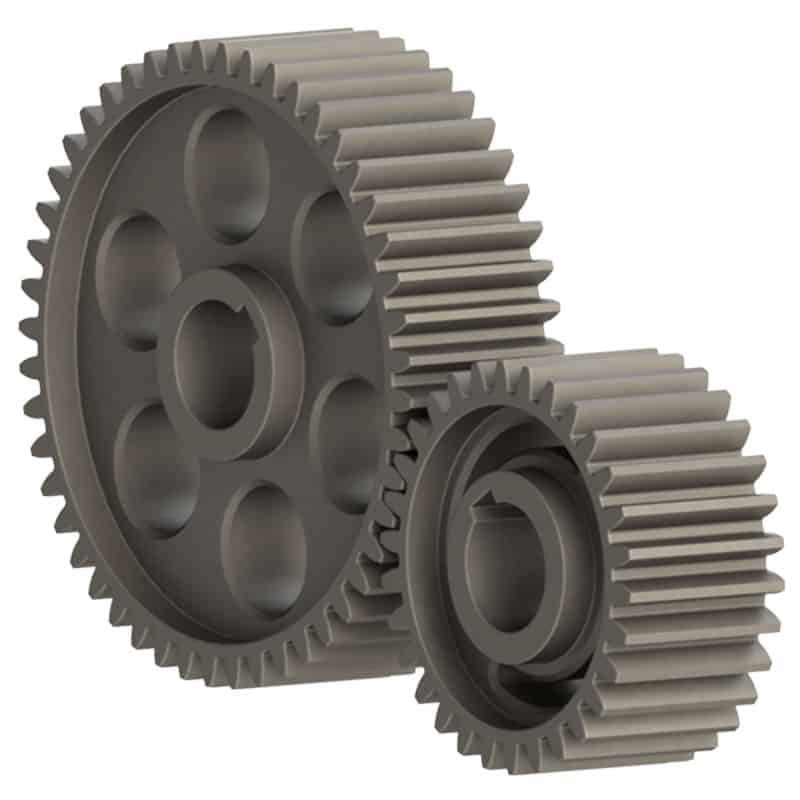
Can spur gears be used in precision manufacturing equipment?
Yes, spur gears can be used in precision manufacturing equipment. Here’s a detailed explanation:
Precision manufacturing equipment requires high accuracy, repeatability, and reliability to produce intricate and precise components. While other gear types like helical gears or bevel gears are commonly used in precision applications, spur gears can also be suitable in certain scenarios.
1. Low-Speed Applications:
Spur gears are well-suited for low-speed applications where high precision is required. In precision manufacturing equipment, such as milling machines, lathes, or grinding machines, where controlled and precise rotational motion is essential, spur gears can provide the necessary power transmission with accuracy.
2. Linear Actuators and Positioning Systems:
Spur gears can be used in linear actuators and positioning systems within precision manufacturing equipment. These systems require precise movement control, and spur gears can convert rotary motion into linear motion accurately. By incorporating precision-ground spur gears with proper backlash control, highly accurate positioning can be achieved.
3. Tooling Systems:
Spur gears are employed in tooling systems used in precision manufacturing equipment, such as indexing heads and rotary tables. These systems enable precise and repeatable positioning of workpieces or cutting tools. Spur gears with high precision tooth profiles and low backlash are utilized to ensure accurate tool positioning and consistent machining results.
4. Measuring and Inspection Equipment:
In precision manufacturing, gear systems are also utilized in measuring and inspection equipment. Spur gears can be incorporated into gear trains within instruments like coordinate measuring machines (CMMs) or optical comparators to translate linear or rotary motion into precise measurement data. The gear systems in these instruments require minimal backlash and high accuracy to ensure accurate measurements.
5. Customized Gear Systems:
In some cases, precision manufacturing equipment may require custom-designed gear systems to meet specific application requirements. Spur gears can be tailored and optimized for these custom gear systems, taking into account factors like gear tooth profile, material selection, and gear geometry. This allows for the creation of highly precise and specialized gear systems.
While spur gears have advantages in precision manufacturing equipment, it’s important to consider their limitations. Due to their design, spur gears may produce more noise and vibration compared to other gear types. Additionally, they are generally not suitable for high-speed or high-torque applications that demand continuous and smooth power transmission.
Overall, spur gears can be successfully used in precision manufacturing equipment for specific applications that require low-speed, precise motion control, accurate positioning, and measurement capabilities. Proper gear selection, high-quality manufacturing, and careful system integration are key to achieving the desired precision and performance in these gear applications.
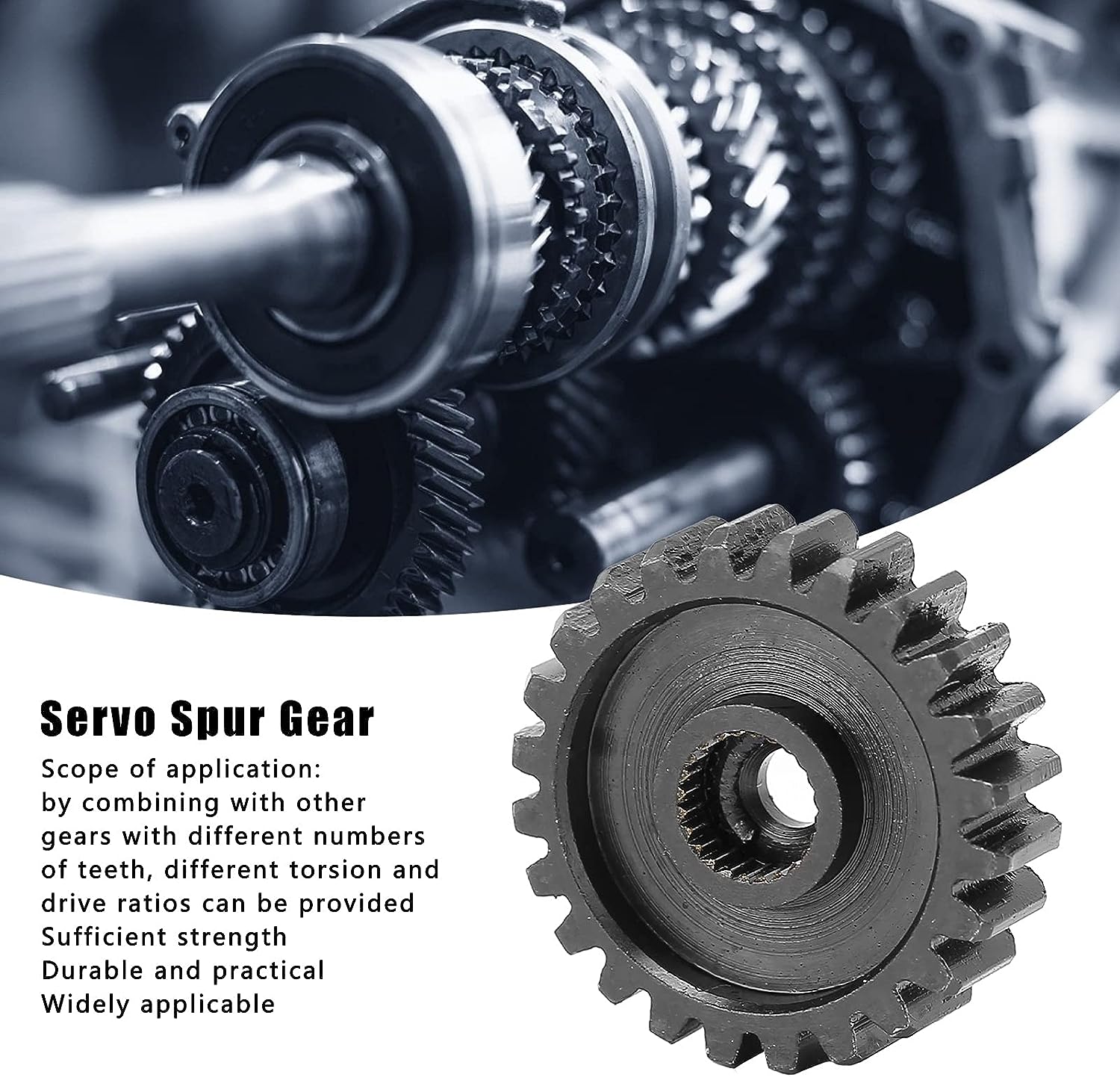
How do you maintain and service a spur gear system?
Maintaining and servicing a spur gear system is crucial to ensure its optimal performance, longevity, and reliability. Here’s a detailed explanation of how to maintain and service a spur gear system:
- Regular Inspection: Perform regular inspections of the spur gear system to identify any signs of wear, damage, misalignment, or abnormal operating conditions. Inspect the gear teeth, shafts, bearings, and housing for any visible issues. Pay attention to unusual noises, vibrations, or changes in gear performance. Early detection of problems allows for timely intervention and prevents further damage.
- Cleaning: Keep the spur gear system clean by removing any dirt, debris, or contaminants that may accumulate on the gear surfaces or within the gear housing. Use appropriate cleaning methods such as brushing, wiping, or blowing with compressed air. Avoid using harsh chemicals that may damage the gear components or compromise lubrication.
- Lubrication: Ensure proper lubrication of the spur gear system as per the manufacturer’s recommendations. Regularly check the lubricant levels and condition. Monitor viscosity, contamination levels, and oxidation of the lubricant. Replenish or replace the lubricant as necessary to maintain optimal gear lubrication and protection against wear.
- Alignment Check: Periodically check the shaft alignment of the gear system to ensure proper alignment. Misaligned shafts can result in increased wear, noise, and reduced gear efficiency. Use alignment tools such as dial indicators or laser alignment systems to verify and adjust the shaft alignment if needed.
- Torque and Fastener Check: Check the torque of fasteners, including bolts, set screws, and retaining rings, to ensure they are properly tightened. Loose fasteners can lead to gear misalignment and compromised performance. Follow the manufacturer’s recommended torque values for the specific gear system components.
- Replacement of Worn Components: Over time, gear components such as gear teeth, bearings, or shafts may wear out or become damaged. Replace any worn or damaged components promptly to prevent further issues and maintain the gear system’s functionality. Use genuine replacement parts recommended by the gear manufacturer.
- Monitoring Operating Conditions: Monitor the operating conditions of the gear system, including temperature, load, and speed. Ensure that the gear system operates within the specified limits and does not exceed the design parameters. Excessive heat, overloading, or high-speed operation can accelerate wear and reduce gear life.
- Training and Expert Support: Ensure that personnel responsible for maintaining and servicing the spur gear system receive proper training and have access to expert support. Familiarize yourself with the gear system’s documentation, including maintenance manuals, technical specifications, and troubleshooting guides. Consult with gear manufacturers or specialists for guidance on specific maintenance procedures or complex issues.
Developing a regular maintenance schedule and keeping accurate records of maintenance activities can help ensure consistent and effective servicing of the spur gear system. Adhering to recommended maintenance practices and addressing any identified issues promptly will help optimize the performance, reliability, and service life of the gear system.
It’s important to note that maintenance and servicing procedures may vary depending on the specific gear system, application, and manufacturer’s recommendations. Therefore, always refer to the gear system’s documentation and consult with the manufacturer for detailed maintenance instructions.
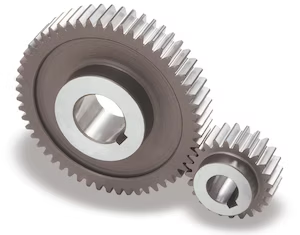
What industries commonly use spur gears?
Spur gears find wide applications across various industries due to their simplicity, efficiency, and versatility. Here’s a detailed explanation of the industries that commonly use spur gears:
- Automotive Industry: The automotive industry extensively utilizes spur gears in various components and systems. They are commonly found in gearboxes, differentials, transmission systems, and engine timing mechanisms. Spur gears play a crucial role in transferring power and rotational motion between the engine, wheels, and other drivetrain components.
- Machinery and Manufacturing: Spur gears are widely employed in machinery and manufacturing equipment across different sectors. They are used in conveyor systems, machine tools, printing presses, textile machinery, packaging machinery, and a variety of industrial applications. Spur gears facilitate power transmission and motion control in these systems.
- Power Generation: Spur gears are essential in power generation systems such as wind turbines, hydroelectric turbines, and steam turbines. They are used to transmit power from the rotor to the generator, converting the rotational motion of the turbine blades into electricity. Spur gears enable efficient power transfer in these renewable energy systems.
- Robotics and Automation: Spur gears have significant applications in robotics and automation systems. They are used in robotic joints, actuators, and drive systems to control motion and transmit torque accurately and efficiently. Spur gears enable precise movement and force transmission in robotic applications.
- Aerospace and Aviation: The aerospace and aviation industries utilize spur gears in various applications. They can be found in aircraft landing gear systems, engine components, flight control systems, auxiliary power units (APUs), and other critical equipment. Spur gears play a vital role in transmitting power and controlling movement in these aerospace systems.
- Marine and Shipbuilding: Spur gears are commonly used in the marine and shipbuilding industry. They find applications in propulsion systems, winches, steering mechanisms, and other equipment that require torque transmission and speed control. Spur gears enable efficient power transfer and maneuverability in marine vessels.
- Appliances and Household Equipment: Spur gears are present in numerous household appliances and equipment. They are used in washing machines, dishwashers, mixers, food processors, garage door openers, and many other appliances that require rotational motion and power transmission. Spur gears facilitate the efficient operation of these household devices.
- Power Tools: Spur gears are widely utilized in power tools such as drills, saws, grinders, and sanders. They enable the transmission of power from the motor to the tool’s cutting or grinding components, ensuring efficient and controlled operation. Spur gears contribute to the functionality and performance of power tools.
- Medical Equipment: Spur gears are used in various medical devices and equipment. They can be found in imaging systems, surgical robots, medical pumps, and other applications that require precise motion control and torque transmission. Spur gears play a critical role in the functioning of medical equipment.
- Clocks and Watches: Spur gears are a fundamental component in mechanical clocks and watches. They are responsible for accurate timekeeping by transferring rotational motion from the mainspring or oscillator to the hour, minute, and second hands. Spur gears have historical significance in timekeeping mechanisms.
These are just a few examples of the industries where spur gears are commonly used. Their simplicity, reliability, and efficiency make them a popular choice in a wide range of applications, enabling power transmission, motion control, and precise operation in diverse industrial sectors.


editor by CX 2024-04-16