China high quality Stainless Steel Spur Gear for Tools Cars Engine Oil Pump Motorcycle worm gear winch
Product Description
What does YuXuan Machinery Co.Ltd do?
YuXuan Machinery Co.Ltd is committed to providing top quality rapid prototyping and low volume manufacturing service, including: CNC machining, vacuum casting , pressure die casting ,3D printing, rapid tooling&injection molding, sheet metal prototyping, plastic and aluminum extrusion, rubber&silicon products etc.. We provide high quality manufacturing solutions that can have your design finished in a matter of hours. This gives you the opportunity to rigorously test your product, and make all the needed changes to perfect your design before it goes into full-scale production.
Pressure Die Casting
At YuXuan Machinery, we use certified machines and pressure casting dies to form your designs from molten metal – typically zinc, copper, aluminum, magnesium, lead, pewter or other tin-based alloys. Our pressure die casting process is effective and very reliable, and can result in significant cost savings. Because of our flexibility, we can accommodate any project needs you may have – from small batches of 50 to as many as 50,000 pieces.
- Low cost per part when carrying out a large production run
- Excellent surface finish and dimensional stability
- Complex geometries can be made that require little or no post-machining
- Great for medium or large parts that would be slower and more expensive by machining
CNC Machining Services
YuXuan Machinery provides a variety of precision CNC machining services including milling, turning, EDM (electrical discharge machining) and wire EDM, and surface grinding. With our precision 3-, 4- and 5-axis CNC machining centers, combined with other advanced capabilities and our experienced team, we can handle all technical aspects of creating your prototypes and parts, so your team can focus on bringing your product to market. If you need a precision machining company for plastic and metal CNC machining parts, YuXuan Machinery is the best place to go. Contact us today to get your manufacturing solution and details.
- CNC Milling – prototype & production parts in plastic and metal
- CNC Turning – All types of round components
- CNC Grinding – Tight tolerance and good surface
- CNC EDM – For deep pocket & sharp corners.
Rapid Tooling Services
Rapid tooling, sometimes known as prototype tooling or bridge tooling, is a fast and cost-efficient way to carry out low-volume injection molding for a variety of types of plastic parts. Once the aluminum or steel mold has been created with the rapid tooling process, it can be utilized as part of a molding process to create multiple copies of a part. Rapid tooling is therefore used to create moldings for rapid prototyping needs in a shortened timeframe, or to bridge the gap before high-volume production.
At YuXuan Machinery, we combine our experience, engineering capabilities and advanced technology to produce high-quality rapid tooling solutions for prototypes and short production runs. Our team works directly with each customer to ensure that we create the perfect solution. Our experience speaks for itself. The team at YuXuan Machinery is well-equipped to handle your rapid tooling and mass production mold making requirements.
Custom Low Volume Extrusion Services
At YuXuan Machinery, we provide custom aluminum&plastic extrusion profiles with a nonstandard aluminum&plastic extruded shape,we accept low-volume extrusion orders – for prototyping and small batch production – allowing you to experiment with custom profiles.
Plastic Extrusion
Plastic materials include polystyrene, nylon, polypropylene, and polythene. These are thermoplastics: they are heated and then pressured in a mold which can form them into different shapes and sections.
Aluminum Extrusion
Aluminum extrusion is defined as the process of shaping aluminum material by forcing it to flow through a shaped opening in a die. Aluminum material emerges as an elongated piece with the same profile. Alloys we commonly work with include: 6061, 6063.
Surface Finishing
YuXuan Machinery offers a high quality surface finishing service for all components and parts regardless of the machining method used in producing them. We have some skilled experts who only handle finishing assignments so the quality of work done on your products is of exceptional quality. If you desire a perfect finish for your prototypes and other manufactured components get in touch with our customer services team for a quick and accurate quotation.
High gloss polishing,
Painting Anodized,
Chromed & Metallizing,
Powder Coat ,
Eletrophoresis ,
Sandblasted & Bead blasted ,
Heat treatment,Blacking,
Water Transfer
ETC.
What can you expect from Yuxuan Machinery Co.LTD ?
Our manufacturing process also ensures that each and every 1 of our customers receives a comprehensive solution for any need they may have. This includes complex and precision parts, like optical parts, automotive parts, medical devices or aerospace parts.No matter how complicated your project may be, we can produce what you need.
- Saving money through our low-volume manufacturing process
- Faster time to market (and a higher success rate)
- Creating flexible design options for all your products
- Supplying you with a comprehensive option for bridge production
Customized OEM ODM Aluminum CNC Machined 6061/Metal/Titanium/Stainless Steel/Brass Auto Motorcycle Milling/Turing/Stamping/Machining/Die Casting Tooling Parts.
| Product Name | cast aluminium die /gravity/sand casting process |
| Material |
Ferrous materials:cast iron, grey iron, ductile iron, austempered ductile iron , carbon steel,stainless steel, low alloy steel, high chromium/manganese steel Non-ferrous: aluminum alloy, copper alloy,brass, bronze titanium alloy |
| Process | Clay sand casting,Shell molding ,Lost foam casting,Resin sand casting, CNC machining |
| Equipment | Molding machine, lost foam casting production line, CNC machining center, general machine tools,CNC laser cutting machine,large-scale press machine |
| Finish | zinc phosphide, zinc plating, hot dip galvanized, e-coating, spray paint, black oxide coating ,anodized,passivation and others |
| Testing Instrument | Spectrum analyzer, tension tester, hardness tester, 3 coordinates measuring instrument, caliper, micrometer, dial gauge, microscope, roughness tester, salt spray testing machine, ultrasonic flaw detector, X-ray detection machine, magnetic particle flaw detector, air tightness testing machine, thickness gauge |
| Product Application | Engineering & mining works |
| Other main casting products | Auto parts,large mining equipment accessories, engineering machinery parts, valve parts, large diameter pipe fittings, , agricultural machinery parts,construction machinery, gear box,body case etc. |
1,Aluminium die casting parts are a process of injection aluminium or aluminium alloy under pressure, which produces parts in high volume at low costs.
2, There are 2 processes of Aluminum die casting: hot chamber and cold chamber.
3, A complete cycle can vary from 1 second for small components to minutes for a casting of large part, making aluminium die casting the fastest technique available for producing precise aluminium & aluminum alloy parts.
4, Any aluminium die casting parts are customized according to the clients’ drawing or samples.
Workshop
Packing and Shipping – by Plastic bags & cartons & pallets
Warehouse
FAQ
Q: Are you trading company or manufacturer ?
A: We are direct factory with experienced engineers and employees as well as well-organized workshop.
Q: How long is your delivery time?
A: Sample 3-7 days, tooling 30 days, production 35 days.
Q: Do you provide samples ? is it free or extra ?
A: Yes, the sample fee depends on the design, and the fee will be returned to your bulk order.
Q: How long can I get the sample?
A: Depends on your part geometry, normally within 3-7 days.
Q: How long is your delivery time?
A: Sample 3-7days; Mass production order 7-45 days depends on quantity and part complexity.
Q: What is your terms of payment ?
A: Payment=1000USD, 30% T/T in advance ,balance before shippment.
Q: What’s kinds of information you need for a quote?
A: Kindly please provide the product 2D drawing with PDF or DWG format and 3D drawings with STEP or IGS or X_T format, and other requirements like: surface treatment, quantity…etc.
Q: What is your standard PO procurement process flow?
A: Prototyping —-> FA approval —-> Quality Control Plan —> Manufacturing Process Instruction —> Batch Production —> Inspection —> Shipping
Q: What shall we do if we do not have drawings?
A. Please send your sample to our factory, then we can do the reverse engineering or provide you better solutions. Please send us pictures or drafts with dimensions (Length, Height, Width), CAD or 3D file will be made for you if placed order.
Q: Will my drawings be safe after sending to you?
A: Yes, we can CHINAMFG the NDA before got your drawing and will not release to the third party without your permission
Q: Is it possible to know how are my products going on without visiting your company?
A: We will offer a detailed production schedule and send weekly reports with digital pictures and videos which
show the machining progress
Q: How to enjoy the OEM services?
A: Usually, base on your design drawings or original samples, we give some technical proposals and a quotation
to you, after your agreement, we produce for you.
If you have any another questions, please feel free to contact us.
/* January 22, 2571 19:08:37 */!function(){function s(e,r){var a,o={};try{e&&e.split(“,”).forEach(function(e,t){e&&(a=e.match(/(.*?):(.*)$/))&&1
| Application: | Fastener, Auto and Motorcycle Accessory, Hardware Tool, Machinery Accessory |
|---|---|
| Standard: | GB, EN, API650, China GB Code, JIS Code, TEMA, ASME |
| Surface Treatment: | Polishing |
| Production Type: | Batch Production |
| Machining Method: | CNC Milling |
| Material: | Nylon, Steel, Plastic, Brass, Alloy, Copper, Aluminum, Iron |
| Samples: |
US$ 6/Piece
1 Piece(Min.Order) | |
|---|
| Customization: |
Available
| Customized Request |
|---|
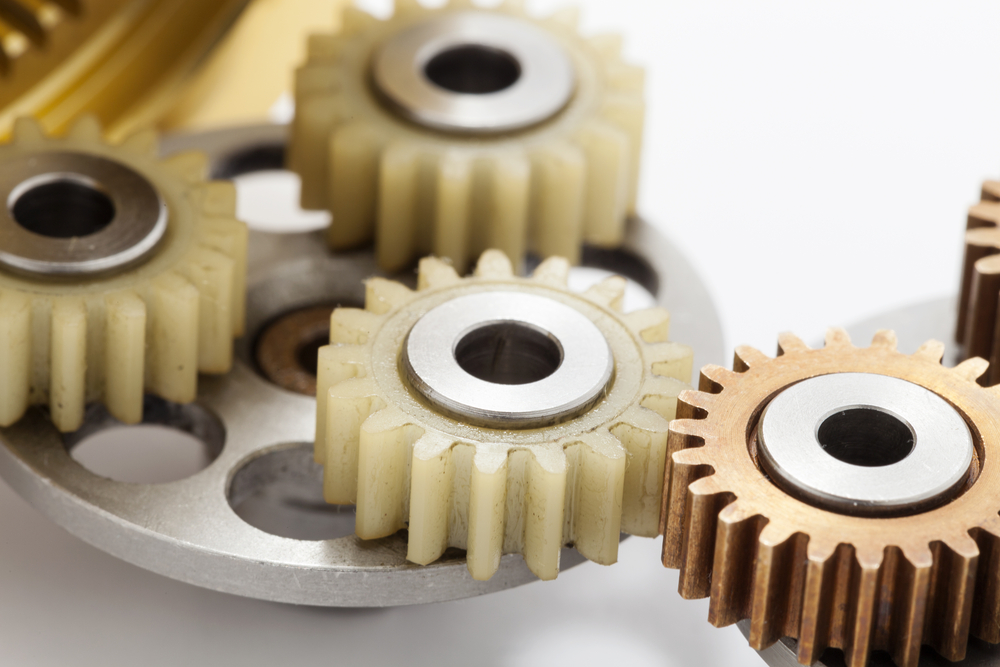
How do you choose the right type of plastic material for specific applications?
Choosing the right type of plastic material for specific applications requires careful consideration of various factors. Here’s a detailed explanation of the process:
1. Identify Application Requirements: Begin by understanding the specific requirements of the application. Consider factors such as temperature range, chemical exposure, mechanical stress, electrical properties, dimensional stability, and regulatory compliance. This initial assessment will help narrow down the suitable plastic material options.
2. Research Plastic Material Properties: Conduct thorough research on different types of plastic materials and their properties. Consider factors such as mechanical strength, thermal stability, chemical resistance, electrical conductivity, impact resistance, UV stability, and food safety approvals. Plastic material datasheets and technical resources from manufacturers can provide valuable information.
3. Evaluate Material Compatibility: Assess the compatibility of the plastic material with the surrounding environment and other components in the system. Consider the potential for chemical reactions, galvanic corrosion, thermal expansion, and any specific requirements for mating surfaces or interfaces. Ensure the selected material is compatible with the intended operating conditions.
4. Consider Manufacturing Process: Evaluate the manufacturing process involved in producing the desired component or product. Different plastic materials may have specific requirements or limitations for processes such as injection molding, extrusion, blow molding, or machining. Ensure the chosen material is compatible with the selected manufacturing method and can meet the desired quality and production efficiency.
5. Assess Cost and Availability: Consider the cost and availability of the plastic material. Some specialty or high-performance plastics may be more expensive or have limited availability compared to more common materials. Evaluate the cost-effectiveness and feasibility of using the selected material within the project’s budget and timeline.
6. Consult with Material Experts: If necessary, consult with material experts, engineers, or suppliers who have expertise in plastic materials. They can provide valuable insights and recommendations based on their experience and knowledge of specific applications. Their input can help ensure the optimal material selection for the intended use.
7. Perform Prototype and Testing: Before finalizing the material selection, it’s advisable to produce prototypes or conduct testing using the chosen plastic material. This allows for verification of the material’s performance, dimensional accuracy, strength, durability, and other critical factors. Iterative testing and evaluation can help refine the material selection process if needed.
By following these steps and considering the application requirements, material properties, compatibility, manufacturing process, cost, and expert advice, it’s possible to choose the most appropriate plastic material for specific applications. Proper material selection is crucial for ensuring optimal performance, longevity, and safety in various industries and products.
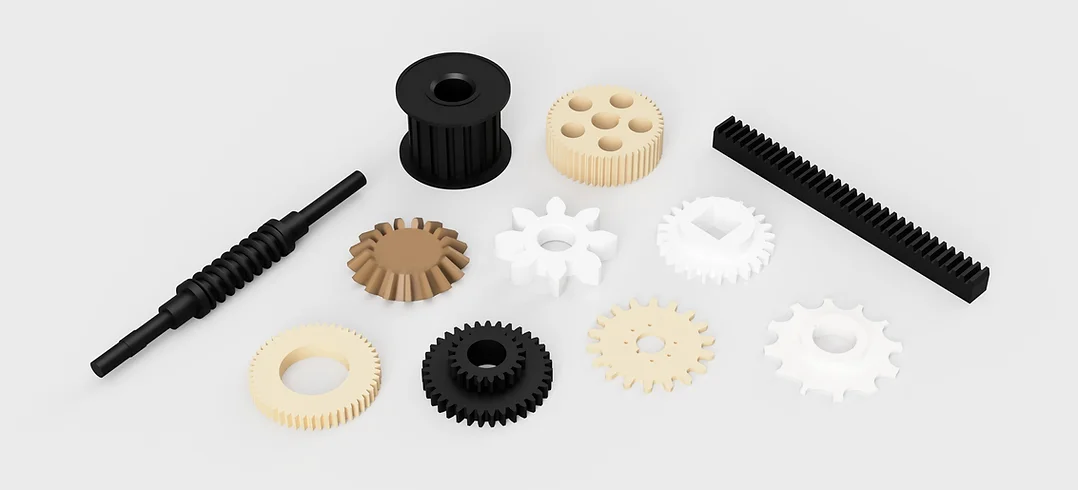
What is the impact of temperature variations on plastic gears?
Temperature variations can have a significant impact on plastic gears. Here’s a detailed explanation of their effects:
1. Thermal Expansion: Plastic gears can experience thermal expansion or contraction with changes in temperature. Different types of plastics have varying coefficients of thermal expansion, meaning they expand or contract at different rates. This can result in dimensional changes, which may affect the gear’s meshing, clearance, and overall performance. It’s important to consider the thermal expansion characteristics of the specific plastic material used in the gear design.
2. Material Softening or Hardening: Plastic materials can exhibit changes in mechanical properties with temperature variations. In general, as temperature increases, plastic materials tend to soften and become more flexible, while at lower temperatures, they can become stiffer and more brittle. These changes can impact the gear’s load-bearing capacity, wear resistance, and overall durability. It’s crucial to select plastic materials that can maintain their mechanical integrity within the expected temperature range of the application.
3. Dimensional Stability: Plastic gears may experience dimensional changes or warping due to temperature fluctuations. Higher temperatures can cause plastic materials to deform, leading to misalignment, increased backlash, or reduced gear accuracy. Conversely, lower temperatures can cause contraction, resulting in tight clearances, increased friction, or gear binding. Proper design considerations, including material selection and gear geometry, can help mitigate the impact of temperature-induced dimensional changes.
4. Lubrication and Wear: Temperature variations can affect the lubrication properties of plastic gears. Higher temperatures can cause lubricants to degrade or become less effective, leading to increased friction, wear, and potential gear failure. Similarly, low temperatures can cause lubricants to thicken or solidify, hindering proper lubrication and increasing wear. Selecting lubricants suitable for the anticipated temperature range and periodic maintenance can help ensure proper lubrication and minimize wear on plastic gears.
5. Cold Flow and Creep: Some plastic materials, especially those with lower glass transition temperatures, may exhibit cold flow or creep at elevated temperatures. Cold flow refers to the gradual deformation or flow of plastic material under constant stress, while creep refers to the time-dependent deformation under a constant load. These phenomena can cause changes in gear geometry, tooth profile, or tooth engagement over time, potentially affecting gear performance and functionality. Understanding the material’s creep and cold flow characteristics is important when selecting plastic gears for applications exposed to temperature variations.
6. Impact on Lubricants and Seals: Temperature variations can also impact the performance of lubricants and seals used in gear systems. Extreme temperatures can cause lubricants to break down, lose viscosity, or leak from the gear assembly. Seals and gaskets may also be affected, leading to compromised gear housing integrity or increased friction. It’s crucial to consider temperature compatibility and select appropriate lubricants and seals that can withstand the anticipated temperature range.
In summary, temperature variations can significantly impact plastic gears by causing thermal expansion, material softening or hardening, dimensional changes, lubrication issues, cold flow or creep, and effects on lubricants and seals. Proper material selection, design considerations, and understanding the anticipated temperature range are essential to ensure the reliable and optimal performance of plastic gears in various applications.
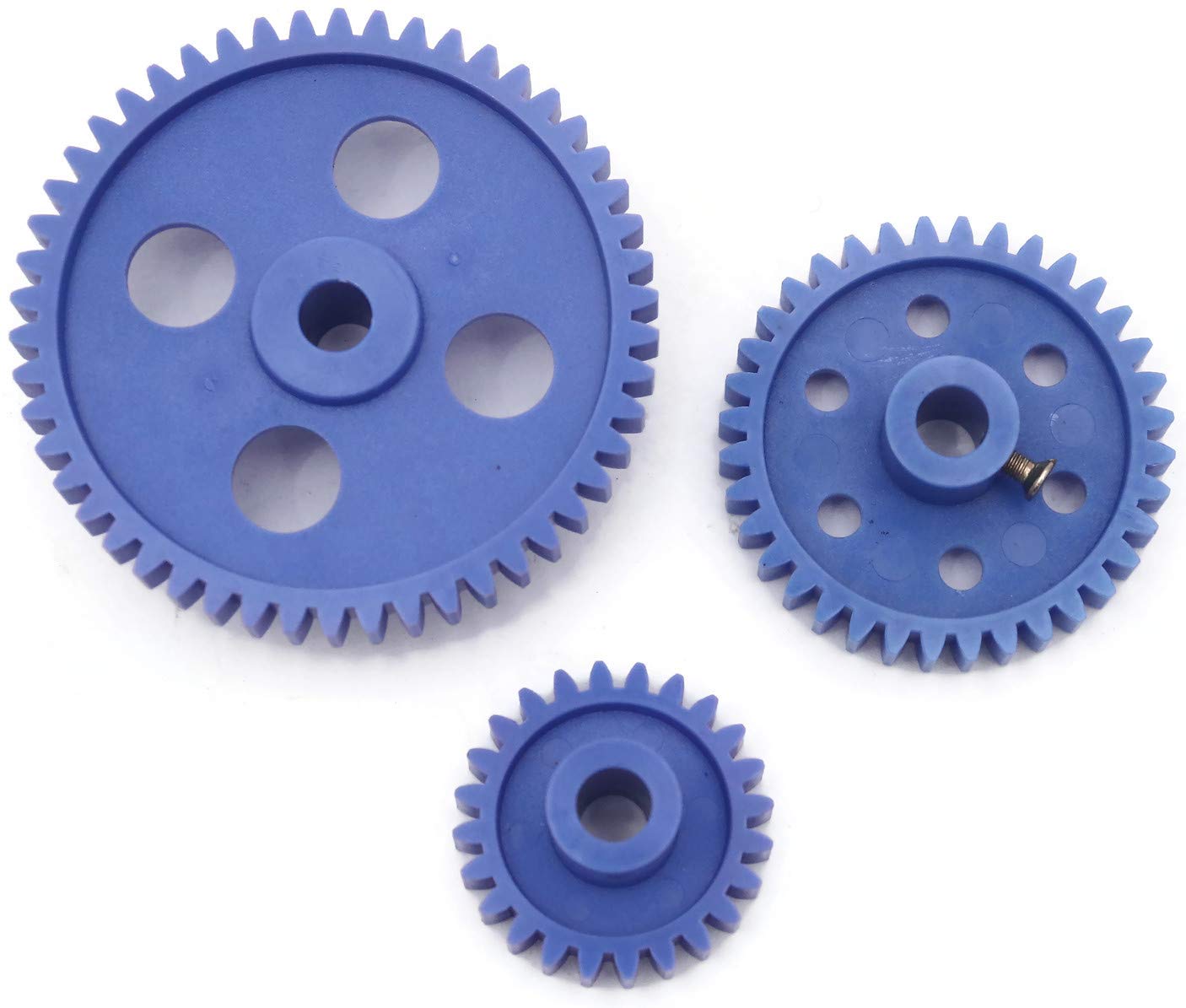
How do plastic gears differ from metal gears in terms of performance?
Plastic gears and metal gears exhibit differences in performance characteristics. Here’s a detailed explanation of how plastic gears differ from metal gears:
Strength and Durability:
- Metal gears are generally stronger and more durable compared to plastic gears. They can withstand higher torque, heavy loads, and harsh operating conditions. Metal gears are commonly used in applications that require high strength and durability, such as heavy machinery, automotive transmissions, and industrial equipment.
- Plastic gears have lower strength and may not be suitable for applications with high torque or heavy loads. However, advancements in plastic materials and manufacturing techniques have resulted in the development of high-performance plastics that offer improved strength and durability, allowing plastic gears to be used in a wider range of applications.
Weight:
- Plastic gears are significantly lighter in weight compared to metal gears. This lightweight characteristic is advantageous in applications where weight reduction is important, as it can contribute to energy efficiency, lower inertia, and reduced wear on supporting components.
- Metal gears are heavier due to the density and strength of the metal materials used. While the weight of metal gears can provide benefits in certain applications that require high inertia or increased stability, it may also result in additional energy consumption and higher stresses on supporting structures.
Noise and Vibration:
- Plastic gears have inherent damping properties that help reduce noise and vibration levels during operation. This makes them suitable for applications where noise reduction is desired, such as in consumer electronics or office equipment.
- Metal gears tend to generate more noise and vibration due to their higher stiffness. While there are methods to reduce noise in metal gears through design modifications and the use of noise-dampening materials, plastic gears generally offer better inherent noise and vibration reduction.
Wear and Lubrication:
- Plastic gears have the advantage of self-lubrication due to certain plastic materials having inherent lubricating properties. This reduces friction and wear between gear teeth, eliminating the need for external lubrication and simplifying maintenance requirements.
- Metal gears typically require lubrication to reduce friction and wear. Proper lubrication is essential for their performance and longevity. Insufficient or inadequate lubrication can lead to increased wear, heat generation, and even gear failure.
Corrosion Resistance:
- Plastic gears can exhibit excellent resistance to corrosion and chemicals, depending on the chosen plastic material. This makes them suitable for applications in corrosive environments where metal gears may suffer from degradation or require additional protective measures.
- Metal gears may corrode when exposed to moisture, chemicals, or certain operating environments. Corrosion can weaken the gears and compromise their performance and lifespan. However, corrosion-resistant metals or protective coatings can mitigate this issue.
Design Flexibility:
- Plastic gears offer greater design flexibility compared to metal gears. Plastic materials can be easily molded into complex shapes, allowing for the creation of custom gear profiles and tooth geometries. This design flexibility enables gear optimization for specific applications, improving performance, efficiency, and overall machinery design.
- Metal gears are more limited in terms of design flexibility due to the constraints of machining or shaping metal materials. While metal gears can still be customized to some extent, the process is generally more time-consuming and costly compared to plastic gear manufacturing.
It’s important to consider these performance differences when selecting between plastic and metal gears for a specific application. The requirements of the application, including load capacity, operating conditions, noise considerations, and durability expectations, should guide the choice of gear material.


editor by Dream 2024-04-22