China Hot selling GB Large Diameter Girth Gear Customized Large Diameter Ring Gear Forging Ring Gear bevel spiral gear
Product Description
Key attributes
Other attributes
Applicable Industries
Manufacturing Plant, Machinery Repair Shops, Construction works
Weight (KG)
2000
Showroom Location
None
Video outgoing-inspection
Not Available
Machinery Test Report
Provided
Marketing Type
Ordinary Product
Warranty of core components
1 Year
Core Components
Gear
Place of CHINAMFG
ZheJiang , China
Condition
New
Warranty
1.5 years
Shape
Ring Gear
Standard or Nonstandard
Nonstandard
Tooth Profile
spur gear/helical gear/customized
Material
Steel
Processing
casting,Forging,hobbing
Pressure Angle
20/40/50/60 Customized
Brand Name
TS
Material
steel, stainless steel customized
Precision
standard precision grade per request
Technique
casting/forging/ customized
Heat Treatment
avaliable
Tooth Profile
Internal Spur/external spur/etc
Features
Professional Production
Application
Industry Machinery
Applicable Standard
ISO/DIN
Gear precision
ordinary/ 8e/7e/6e
Service
Customized OEM
Packaging and delivery
Packaging Details
TS Packaging Details:
1. Bearing surface is covered with the anti-rust oil first; And then wrapped with the plastic film;
2. And then packed with Kraft paper and professional belts;
3. At last, with wooden box totally at the outer packing to in void the rust or the moist;
4. Packaging can be done according to customer’s requirements.
Port
China any Port
Supply Ability
Supply Ability
1500 Set/Sets per Month
Show less
Lead time
| Quantity (sets) | 1 – 1 | > 1 |
| Lead time (days) | 30 | To be negotiated |
OUR WORKSHOPS
OUR EQUIPMENTS
Technology Process
|
Material |
Carbon steel,Alloy steel |
||
|
Structure |
Forging,casting |
||
|
Type of gear |
spur gear,helical gear,Planetary Gear |
||
|
Heat treatment |
Quenching and tempering |
||
|
Process |
forging, rough machining, QT, finish machining |
||
|
Main equipments |
hobbing,CNC machine |
||
|
Module |
up to 200 |
||
|
Precision of gear |
Grinding ISO Grade 5-7 & Hobbing ISO Grade 8-9 |
||
|
Inspection |
Raw material inspection, UT,physical property test,dimension inspect |
||
|
Application |
Mining machinery, mill, kiln and other equipment |
||
OUR CERTIFICATE
OUR CUSTOMER FEEDBACK
CONTACT
/* January 22, 2571 19:08:37 */!function(){function s(e,r){var a,o={};try{e&&e.split(“,”).forEach(function(e,t){e&&(a=e.match(/(.*?):(.*)$/))&&1
| Application: | Industry |
|---|---|
| Hardness: | Hb190-Hb300 |
| Gear Position: | External Gear |
| Samples: |
US$ 100/Piece
1 Piece(Min.Order) | Order Sample |
|---|
| Customization: |
Available
| Customized Request |
|---|
.shipping-cost-tm .tm-status-off{background: none;padding:0;color: #1470cc}
| Shipping Cost:
Estimated freight per unit. |
about shipping cost and estimated delivery time. |
|---|
| Payment Method: |
|
|---|---|
|
Initial Payment Full Payment |
| Currency: | US$ |
|---|
| Return&refunds: | You can apply for a refund up to 30 days after receipt of the products. |
|---|
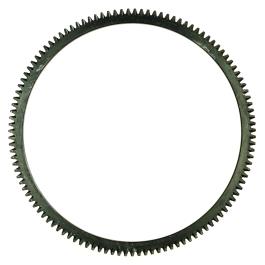
How do you choose the right size ring gear for your application?
Choosing the right size ring gear for a specific application involves considering several factors related to the gear system, load requirements, space constraints, and performance objectives. Here’s a detailed explanation of the process involved in selecting the appropriate size ring gear:
- Determine the Gear System Parameters: Understand the specific requirements of the gear system in which the ring gear will be used. This includes identifying the input power, desired output speed, torque requirements, and operating conditions such as temperature, vibration, and lubrication.
- Calculate Gear Ratios: Determine the required gear ratios for the gear system. Gear ratios define the relationship between the rotational speeds and torques of the driving and driven gears. By knowing the desired gear ratios, you can calculate the appropriate size of the ring gear relative to the other gears in the system.
- Evaluate Load Capacity: Assess the load capacity needed for the application. Consider the maximum torque and radial loads that the ring gear will experience during operation. It’s crucial to select a ring gear that can handle the anticipated loads without excessive wear, deformation, or failure.
- Consider Space Limitations: Determine the available space for the ring gear within the application. Consider the overall dimensions, such as the outer diameter, inner diameter, and thickness of the ring gear. Ensure that the selected size fits within the designated space without interfering with other components or compromising the overall functionality of the system.
- Account for Manufacturing Considerations: Consider the manufacturability of the ring gear. Evaluate factors such as the feasibility of producing the required tooth profile, the availability of suitable materials, and the manufacturing capabilities of the supplier. It’s important to choose a size that can be efficiently manufactured while meeting the required quality standards.
- Consult Design Guidelines and Standards: Refer to industry design guidelines, standards, and specifications specific to the type of gear and application. These guidelines provide recommendations and formulas for calculating gear sizes based on factors such as tooth strength, contact stress, and bending stress. Adhering to recognized standards ensures that the selected ring gear size is appropriate for the intended application.
It is often beneficial to consult with gear design engineers or industry experts to ensure the proper selection of the ring gear size. They can provide detailed analysis, simulation, and expertise in choosing the optimal size based on the specific requirements and constraints of the application.
By carefully considering these factors and following established design practices, you can choose the right size ring gear that will deliver reliable performance, efficient power transmission, and long-term durability for your application.
\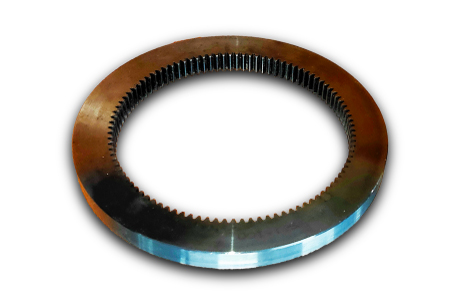
How do you maintain and service a ring gear system?
Maintaining and servicing a ring gear system is crucial to ensure its optimal performance, reliability, and longevity. Here’s a detailed explanation of the maintenance and service procedures for a ring gear system:
- Regular Inspections: Conduct regular inspections of the ring gear system to detect any signs of wear, damage, misalignment, or abnormal conditions. Inspect the gear teeth for chips, cracks, or excessive wear. Check for proper gear engagement and backlash. Inspect the mounting bolts or fasteners for tightness. Regular inspections help identify potential issues early on and prevent further damage or failures.
- Cleaning and Lubrication: Clean the ring gear system periodically to remove dirt, debris, and old lubricant. Use appropriate cleaning methods and solvents that are compatible with the gear system materials. After cleaning, apply fresh lubricant according to the manufacturer’s recommendations. Ensure proper lubrication coverage and distribution to minimize friction, wear, and heat generation.
- Lubricant Analysis: Periodically analyze the condition of the lubricant in the ring gear system to assess its effectiveness and detect any contamination or degradation. Lubricant analysis involves collecting samples and sending them to a laboratory for testing. The analysis results can provide valuable information about the lubricant’s viscosity, contamination levels, and overall condition. Based on the analysis, determine whether lubricant replacement or additional maintenance actions are necessary.
- Bearing and Seal Inspection: If the ring gear system includes bearings or seals, inspect them regularly for wear, damage, or leaks. Check for excessive play, noise, or overheating in the bearings. Inspect the seals for proper sealing and lubricant retention. Replace any worn-out bearings or damaged seals to prevent further damage to the ring gear system.
- Torque Checks: Periodically check the torque of the mounting bolts or fasteners that secure the ring gear system. Over time, vibrations and operational stresses can cause bolts to loosen. Ensure that the bolts are tightened to the manufacturer’s recommended torque specifications. Perform torque checks during scheduled maintenance intervals or when any signs of loosening are observed.
- Alignment and Gear Meshing: Check and adjust the alignment of the ring gear system if necessary. Misalignment can lead to uneven wear, increased load on the gear teeth, and reduced performance. Ensure proper gear meshing and backlash according to the manufacturer’s specifications. Adjust the gear positioning or contact pattern if deemed necessary during inspections or maintenance activities.
- Repair or Replacement: If any significant damage, wear, or malfunction is identified during inspections or maintenance activities, plan for repair or replacement of the affected components. Depending on the severity and nature of the issue, repairs may involve repairing gear teeth, replacing damaged parts, or realigning the gear system. If extensive damage is present or the gear system has reached the end of its service life, consider replacing the entire ring gear system.
- Documentation and Record-Keeping: Maintain detailed documentation and records of all maintenance and service activities performed on the ring gear system. Keep track of inspection results, lubrication schedules, repairs, parts replacements, and any other relevant information. These records help establish a maintenance history, track performance trends, and provide valuable reference information for future maintenance and troubleshooting.
It’s important to note that the specific maintenance and service procedures may vary depending on the type of ring gear system, its application, and the manufacturer’s guidelines. Always refer to the manufacturer’s recommendations and consult with experts or professionals when necessary to ensure proper maintenance and servicing of the ring gear system.
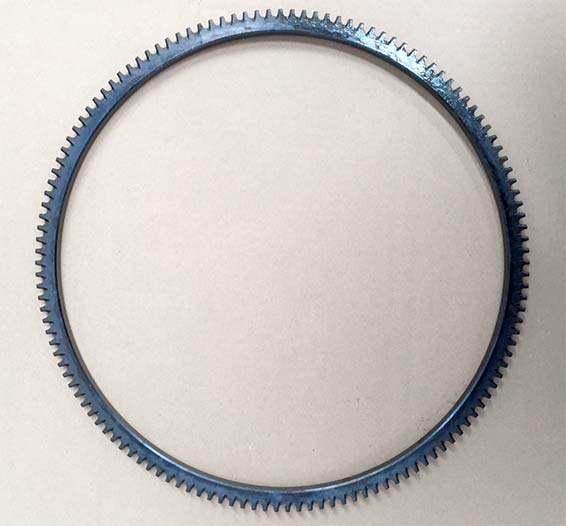
What industries commonly use ring gears?
Ring gears, also known as annular gears or internal gears, are utilized in various industries due to their unique characteristics and capabilities. Here’s a detailed explanation of the industries that commonly use ring gears:
- Automotive Industry: Ring gears are extensively used in the automotive industry. They are a crucial component in automotive transmissions, differential systems, and steering mechanisms. Ring gears help transmit torque and rotational motion, enabling smooth shifting of gears and efficient power transfer in vehicles.
- Aerospace Industry: The aerospace industry relies on ring gears for various applications. They are used in aircraft engines, landing gear systems, actuation mechanisms, and aerospace gearboxes. Ring gears provide reliable and precise motion control in critical aerospace systems.
- Industrial Machinery: Ring gears find wide applications in industrial machinery, including heavy machinery, manufacturing equipment, and power generation systems. They are used in gearboxes, speed reducers, and other power transmission systems. Ring gears enable efficient torque transfer and motion control in industrial settings.
- Robotics: Ring gears play a significant role in robotics and automation. They are employed in robotic joints, manipulator arms, and motion control systems. Ring gears provide precise and smooth rotation, allowing robots to perform intricate tasks with accuracy and repeatability.
- Power Generation: Ring gears are utilized in power generation equipment such as wind turbines, hydroelectric generators, and steam turbines. They are part of the gearbox systems that convert the rotational motion of the turbine blades into electrical energy. Ring gears enable efficient power transmission and adaptability to varying load conditions.
- Heavy Equipment and Construction: The heavy equipment and construction industry extensively use ring gears in equipment like excavators, cranes, loaders, and bulldozers. They are vital for the operation of the drivetrain and hydraulic systems, enabling controlled movement and power transfer in demanding construction environments.
- Marine Industry: Ring gears are employed in various marine applications, including ship propulsion systems, marine winches, and steering mechanisms. They provide reliable torque transfer and motion control in marine vessels, ensuring efficient navigation and maneuverability.
- Renewable Energy: Ring gears are utilized in renewable energy systems such as solar tracking systems and tidal power generation. They enable the precise tracking of solar panels and the efficient conversion of tidal forces into electrical energy.
The diverse applications of ring gears across these industries highlight their versatility and importance in various mechanical systems. The specific design, size, and material selection of ring gears may vary depending on the industry requirements and operating conditions.


editor by Dream 2024-05-03