China manufacturer Stress Relieving Annealing 3D Machining 4130/4140 Forging High Strength Forging Gear hypoid bevel gear
Product Description
Product Description
We provide high precision manufacturing services for CNC machining/ forging /metal fabrication…
all parts can be produced according to customer’s drawings and designs.
Forgings including: mold forging , free forging, smith forging,open die forging, hot forging, cold forging.
Forging shape:Forged gear,Forged block,Forged flange,Forged ring,Forged shaft.
Product Parameters
| Production parameters | |
| Materials | alloy steel, carbon steel, stainless steel, quenched and tempered steel, aluminum, copper |
| Heat treatment | normalizing, annealing, quenching and tempering, surface quenching, induction quenching |
| Mechanical processing | CNC turning, CNC milling, CNC boring, CNC grinding, CNC drilling |
| Gear processing | hobbing, gear milling, CNC gear milling, gear cutting, spiral gear cutting, |
| nspection | Chemical composition testing, ultrasonic testing, penetration testing, radiographic testing,Magnetic testing, tensile strength testing, impact testing, hardness testing, size testing. |
| Test | Magnetic testing, tensile strength testing, impact testing, hardness testing, size testing.Chemical composition testing, ultrasonic testing, penetration testing, radiographic testing, |
| Main markets | United States, Australia, Malaysia, Israel, United Kingdom, Russia, Canada, etc. |
| Data parameters | |
| Gear module | 8-120 |
| Maximum value for gear grinding | Module 24 |
| Shaft diameter: maximum | 2 200mm |
| Axis length: maximum | 13000 millimeters |
| Gear diameter | MAX.13 000 mm |
| Spiral gear diameter | maximum. 2200mm |
| Gear shaft length: maximum | . 5000 millimeters |
Technical process
Detailed Photos
Packaging & Shipping
Certifications
Our Advantages
Excellent service attitude, fast response speed, on-time delivery, and excellent after-sales service have been our practices since the beginning. Combined with high credit, competitive prices, close interaction with customers, and innovative working methods, we have won more and more business and excellent customer satisfaction.
Choosing us as your business partner would be the most correct choice for you.
FAQ
Q: Is it possible to know how are my products going on without visiting your company?
A: Yes, it is. After the cooperation is reached, we will plan a perfect production solution for you. The Quality inspection team will track the production process and give regular feedback on the production progress to you. Our factory will also provide pictures and videos at any time. We can also let you see the real status of the order production through video calls.
Q: Will my drawings be safe after sending them to you?
A: Sure. We have a strict privacy policy and will protect each customer’s information. It will only be given to the person you designate with your permission.
Q: Are you a trading company or factory?
It is worth mentioning that our entire production process is controlled independently and there is no outsourced processing. This means that every step from raw material procurement, forging processing, heat treatment to finished product delivery is strictly controlled by us. Through refined management and cost control, we are able to provide customers with more competitive prices while ensuring product quality.
/* January 22, 2571 19:08:37 */!function(){function s(e,r){var a,o={};try{e&&e.split(“,”).forEach(function(e,t){e&&(a=e.match(/(.*?):(.*)$/))&&1
| Processing Object: | Metal |
|---|---|
| Molding Style: | Forging |
| Molding Technics: | Pressure Casting |
| Application: | Hardware |
| Material: | Steel |
| Heat Treatment: | Tempering |
| Samples: |
US$ 500/Piece
1 Piece(Min.Order) | |
|---|
| Customization: |
Available
| Customized Request |
|---|
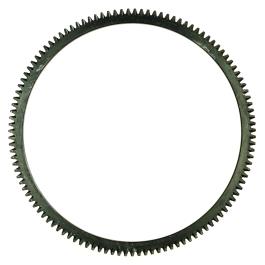
How do you choose the right size ring gear for your application?
Choosing the right size ring gear for a specific application involves considering several factors related to the gear system, load requirements, space constraints, and performance objectives. Here’s a detailed explanation of the process involved in selecting the appropriate size ring gear:
- Determine the Gear System Parameters: Understand the specific requirements of the gear system in which the ring gear will be used. This includes identifying the input power, desired output speed, torque requirements, and operating conditions such as temperature, vibration, and lubrication.
- Calculate Gear Ratios: Determine the required gear ratios for the gear system. Gear ratios define the relationship between the rotational speeds and torques of the driving and driven gears. By knowing the desired gear ratios, you can calculate the appropriate size of the ring gear relative to the other gears in the system.
- Evaluate Load Capacity: Assess the load capacity needed for the application. Consider the maximum torque and radial loads that the ring gear will experience during operation. It’s crucial to select a ring gear that can handle the anticipated loads without excessive wear, deformation, or failure.
- Consider Space Limitations: Determine the available space for the ring gear within the application. Consider the overall dimensions, such as the outer diameter, inner diameter, and thickness of the ring gear. Ensure that the selected size fits within the designated space without interfering with other components or compromising the overall functionality of the system.
- Account for Manufacturing Considerations: Consider the manufacturability of the ring gear. Evaluate factors such as the feasibility of producing the required tooth profile, the availability of suitable materials, and the manufacturing capabilities of the supplier. It’s important to choose a size that can be efficiently manufactured while meeting the required quality standards.
- Consult Design Guidelines and Standards: Refer to industry design guidelines, standards, and specifications specific to the type of gear and application. These guidelines provide recommendations and formulas for calculating gear sizes based on factors such as tooth strength, contact stress, and bending stress. Adhering to recognized standards ensures that the selected ring gear size is appropriate for the intended application.
It is often beneficial to consult with gear design engineers or industry experts to ensure the proper selection of the ring gear size. They can provide detailed analysis, simulation, and expertise in choosing the optimal size based on the specific requirements and constraints of the application.
By carefully considering these factors and following established design practices, you can choose the right size ring gear that will deliver reliable performance, efficient power transmission, and long-term durability for your application.
\
What is the lifespan of a typical ring gear?
The lifespan of a typical ring gear can vary depending on various factors. Here’s a detailed explanation of the factors that influence the lifespan of a ring gear:
The lifespan of a ring gear is influenced by several factors, including:
- Material Quality: The quality of the material used to manufacture the ring gear plays a significant role in its lifespan. High-quality materials with good mechanical properties, such as hardened steel or alloys with high wear resistance, tend to have longer lifespans compared to lower-quality materials.
- Design and Load Conditions: The design of the ring gear, including its tooth profile, dimensions, and load-bearing capacity, affects its lifespan. Ring gears designed to handle higher loads and stresses are likely to have longer lifespans. The operating conditions, such as the magnitude and frequency of the torque loads, also impact the lifespan of the ring gear.
- Maintenance and Lubrication: Proper maintenance and lubrication are essential for preserving the lifespan of a ring gear. Regular inspection, cleaning, and lubrication of the gear system help reduce wear and prevent damage. Inadequate maintenance or the use of improper lubricants can accelerate wear and shorten the lifespan of the ring gear.
- Operating Environment: The operating environment in which the ring gear operates affects its lifespan. Factors such as temperature extremes, humidity, contaminants, and exposure to corrosive substances can impact the material integrity and performance of the ring gear. Harsh operating environments may lead to accelerated wear and reduced lifespan.
- Application-Specific Factors: The specific application in which the ring gear is used can influence its lifespan. Some applications may subject the ring gear to severe operating conditions, high-speed rotations, frequent starts and stops, or heavy shock loads, which can affect its durability and longevity. The accuracy of gear alignment, proper installation, and any additional factors specific to the application should be considered to assess the ring gear’s lifespan.
Given these factors, it is challenging to provide a specific lifespan for a typical ring gear. Lifespan estimates can range from tens of thousands to hundreds of thousands or even millions of operating cycles or hours of operation. The longevity of a ring gear can be extended through proper selection of materials, careful design, routine maintenance, and adherence to recommended operating and lubrication practices.
It’s important to note that the lifespan of a ring gear can also depend on the presence of any unforeseen or exceptional circumstances, such as manufacturing defects, abnormal operating conditions, or unforeseen incidents that can cause premature failure. Regular inspection and monitoring of the gear system can help identify any signs of wear, damage, or potential issues, allowing for timely maintenance or replacement to ensure continued reliable operation.
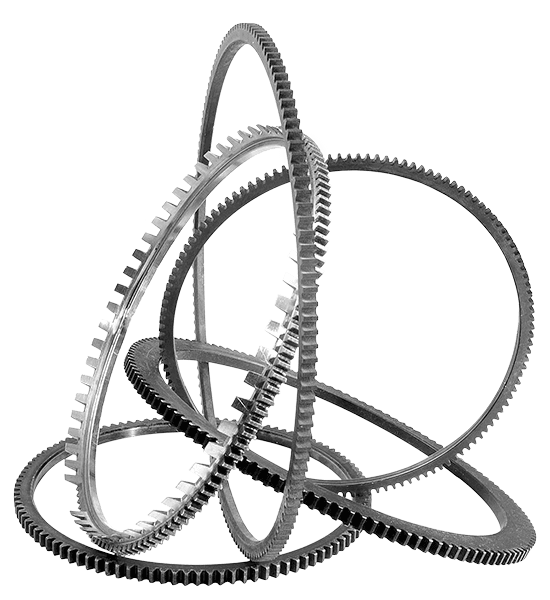
Can you explain the concept of meshing with a ring gear?
Meshing with a ring gear refers to the process of engaging and interlocking the teeth of a gear with the internal teeth of a ring gear. It is a fundamental concept in gear systems where the rotation and torque transfer occur between two gears. Here’s a detailed explanation of the concept of meshing with a ring gear:
When two gears come into contact and their teeth interlock, they are said to be meshing. In the case of a ring gear, the meshing occurs when the teeth of an external gear, such as a pinion gear, engage with the internal teeth of the ring gear. The teeth of the pinion gear fit precisely between the teeth of the ring gear, creating a mechanical connection.
The process of meshing involves several important considerations:
- Tooth Engagement: Proper tooth engagement is crucial for efficient and smooth meshing. The teeth of the gears must align correctly to ensure a proper fit. This alignment ensures that the teeth make contact at the correct pitch point and maintain a consistent mesh throughout the gear rotation.
- Tooth Profile: The tooth profile, such as the shape and size of the teeth, is designed to facilitate smooth meshing. The profile ensures that the teeth slide smoothly against each other without excessive friction, noise, or wear. The tooth profile also affects the load distribution, torque transmission, and overall performance of the gear system.
- Lubrication: Lubrication plays a crucial role in the meshing process. It helps reduce friction and wear between the teeth, ensuring smooth operation and preventing damage to the gears. Proper lubrication also helps dissipate heat generated during meshing, improving the overall efficiency and reliability of the gear system.
- Clearance and Backlash: Clearance and backlash are important considerations in gear meshing. Clearance refers to the space between the tips of the teeth of the external gear and the root of the teeth of the ring gear. Backlash is the amount of play or movement between the engaged teeth. Proper clearance and backlash are necessary to prevent interference, ensure smooth rotation, and accommodate any misalignment or thermal expansion that may occur during operation.
The quality of the meshing directly affects the performance, efficiency, and reliability of the gear system. Proper design, manufacturing precision, and maintenance practices are essential to achieve optimal meshing between gears, including ring gears.
It’s important to note that the specific parameters and requirements for meshing, such as tooth geometry, clearance, backlash, and lubrication, may vary depending on the application, gear type, and operating conditions.


editor by Dream 2024-05-14