China Hot selling High Quality Stainless Steel Helical Gear for New Energy Automobile manufacturer
Product Description
Product Parameters
| product name | High Quality Stainless Steel Helical Gear for New Energy Automobile |
| stainless steel , iron , aluminum ,bronze ,carbon steel ,brass , nylon etc . | |
| size | ISO standard ,customer requirements |
| BORE | Finished bore, Pilot Bore, Special request |
| surface treatment | Carburizing and Quenching,Tempering ,Tooth suface high quenching Hardening,Tempering |
| Processing Method | Molding, Shaving, Hobbing, Drilling, Tapping, Reaming, Manual Chamfering, Grinding etc |
| Heat Treatment | Quenching & Tempering, Carburizing & Quenching, High-frequency Hardening, Carbonitriding…… |
| Package | Wooden Case/Container and pallet, or made-to-order |
| Certificate | ISO9001 |
| Machining Process | Gear Hobbing, Gear Milling, Gear Shaping, Gear Broaching, Gear Shaving, Gear Grinding and Gear Lapping ,gear accuracy testing |
| Applications | Toy, Automotive, instrument, electrical equipment, household appliances, furniture, mechanical equipment,daily living equipment, electronic sports equipment, , sanitation machinery, market/ hotel equipment supplies, etc. |
| Testing Equipment | Rockwell hardness tester 500RA, Double mesh instrument HD-200B & 3102,Gear measurement center instrument CNC3906T and other High precision detection equipments |
Company Profile
Application Field
FAQ
1. why should you buy products from us not from other suppliers?
We are a 32 year-experience manufacturer on making the gear, specializing in manufacturing varieties of gears, such as helical gear ,bevel gear ,spur gear and grinding gear, gear shaft, timing pulley, rack, , timing pulley and other transmission parts .
2. what services can we provide?
Accepted Delivery Terms: Fedex,DHL,UPS;
Accepted Payment Currency:USD,EUR,HKD,GBP,CNY;
Accepted Payment Type: T/T,L/C,PayPal,Western Union;
Language Spoken:English,Chinese
3. how can we guarantee quality?
1 .Always a pre-production sample before mass production;
2 .Always final Inspection before shipment;
3 .We have high-precision CNC gear grinding machine, high-speed CNC gear hobbing machine, CNC gear shaping machine, CNC lathe, CNC machining center, various grinding machines, universal gear measuring instrument, heat treatment and other advanced processing equipment.
4 . We have a group of experienced technical workers, more than 90% of the workers have more than 10 years of work experience in this factory, can accurately control the manufacturing of products and customer needs. We regularly train our employees to ensure that we can produce high-precision and high-quality products that are more in line with our customers’ needs.
/* January 22, 2571 19:08:37 */!function(){function s(e,r){var a,o={};try{e&&e.split(“,”).forEach(function(e,t){e&&(a=e.match(/(.*?):(.*)$/))&&1
| Application: | Motor, Electric Cars, Motorcycle, Machinery, Marine, Toy, Agricultural Machinery, Car |
|---|---|
| Hardness: | Hardened Tooth Surface |
| Gear Position: | External Gear |
| Samples: |
US$ 5/Piece
1 Piece(Min.Order) | Order Sample |
|---|
| Customization: |
Available
| Customized Request |
|---|
.shipping-cost-tm .tm-status-off{background: none;padding:0;color: #1470cc}
|
Shipping Cost:
Estimated freight per unit. |
about shipping cost and estimated delivery time. |
|---|
| Payment Method: |
|
|---|---|
|
Initial Payment Full Payment |
| Currency: | US$ |
|---|
| Return&refunds: | You can apply for a refund up to 30 days after receipt of the products. |
|---|
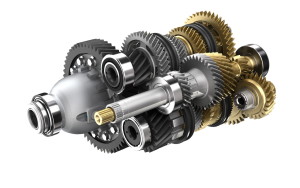
How do gearboxes contribute to the overall performance and acceleration of a car?
Gearboxes play a vital role in the overall performance and acceleration of a car. Here’s a detailed explanation:
1. Gear Ratio:
The primary function of a gearbox is to provide different gear ratios between the engine and the wheels. Each gear ratio determines the relationship between the rotational speed of the engine (measured in RPM) and the rotational speed of the wheels. By changing gears, the gearbox allows the engine to operate more efficiently across a range of speeds.
2. Torque and Power:
Gearboxes help optimize torque and power delivery from the engine to the wheels. Lower gears provide higher torque multiplication, which means greater force is applied to the wheels, resulting in improved acceleration. Higher gears, on the other hand, allow the engine to operate at lower RPMs, maximizing fuel efficiency during cruising or maintaining high speeds.
3. Acceleration:
A well-designed gearbox enables the car to accelerate quickly. Lower gears, such as first and second gears, provide high torque multiplication, allowing the car to overcome inertia and swiftly gain speed from a standstill. As the car gains momentum, higher gears are used to maintain speed efficiently.
4. Engine Operating Range:
Each engine has an optimal operating range where it produces the most power and torque. Gearboxes ensure that the engine operates within this range by allowing the driver to upshift or downshift based on the speed and load conditions. Keeping the engine within the optimal operating range enhances performance and responsiveness.
5. Fuel Efficiency:
Proper gear selection can significantly impact fuel efficiency. By allowing the engine to operate at lower RPMs in higher gears, the gearbox helps reduce fuel consumption during steady-state cruising. Additionally, modern gearboxes often incorporate technologies such as overdrive gears or continuously variable transmissions (CVT) to further optimize fuel efficiency.
6. Adaptive Gearbox Systems:
Some advanced car models feature adaptive gearbox systems that adjust gearshift patterns based on driving conditions, such as throttle input, road gradient, and vehicle speed. These systems aim to provide optimal performance, acceleration, and fuel efficiency by continuously analyzing various parameters and selecting the most appropriate gear ratio.
7. Manual vs. Automatic Gearboxes:
Both manual and automatic gearboxes contribute to the overall performance and acceleration of a car. Manual gearboxes offer more direct control, allowing skilled drivers to optimize gear selection for maximum performance. Automatic gearboxes, on the other hand, use complex algorithms and sensors to shift gears automatically, providing smooth acceleration and convenience.
In summary, gearboxes have a significant impact on the overall performance and acceleration of a car. By providing different gear ratios, optimizing torque delivery, and allowing the engine to operate within its optimal range, gearboxes enhance acceleration, fuel efficiency, and overall driving experience.
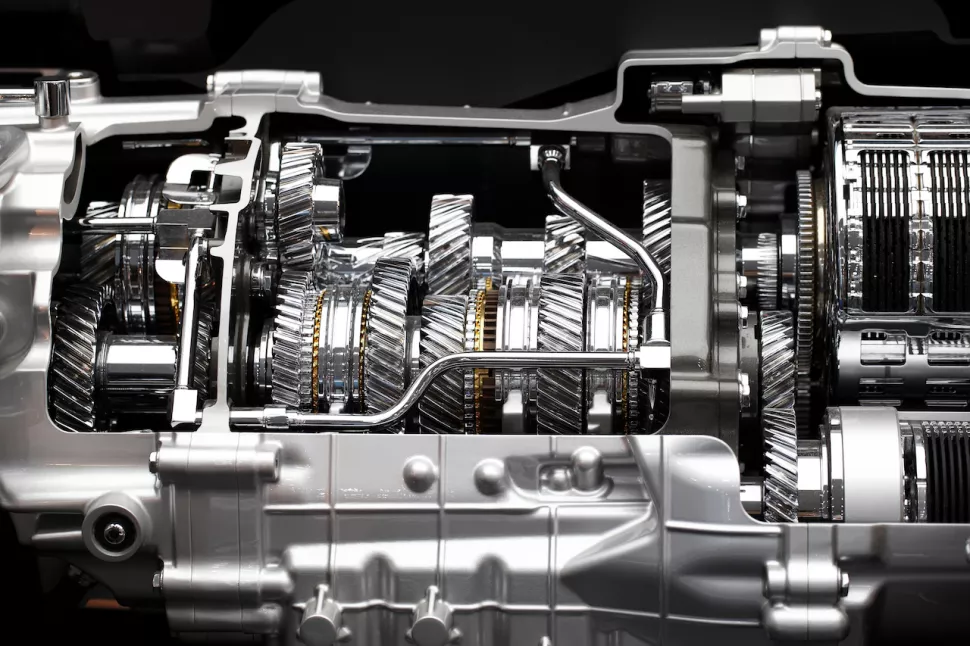
What is the impact of gear selection on fuel efficiency in a car?
Gear selection in a car has a significant impact on fuel efficiency. Here’s a detailed explanation:
1. Optimal Engine Speed:
Choosing the right gear allows the engine to operate at its optimal speed or within its “power band.” Each engine has a range of RPM (revolutions per minute) where it delivers the best balance of power and fuel efficiency. By selecting the appropriate gear, the engine can stay within this range, maximizing fuel efficiency.
2. Engine Load:
Gear selection affects the load on the engine. Higher gears, such as fifth or sixth gear, provide a higher gear ratio, reducing the engine’s rotational speed for a given vehicle speed. This reduces the load on the engine and can improve fuel efficiency, especially during highway driving where maintaining a steady speed is common.
3. Avoiding Over-Revving:
Shifting to a higher gear at the right time helps prevent the engine from over-revving. Over-revving occurs when the engine operates at excessively high RPM, which can waste fuel and potentially cause engine damage. By upshifting in a timely manner, the engine can run at a more efficient RPM range, leading to better fuel economy.
4. Acceleration and Deceleration:
The choice of gear during acceleration and deceleration also affects fuel efficiency. During acceleration, shifting up to higher gears smoothly and at appropriate RPM levels promotes fuel efficiency. Similarly, when decelerating, downshifting to lower gears while utilizing engine braking can save fuel by reducing the need for excessive braking and maintaining better control over vehicle speed.
5. Driving Conditions:
The impact of gear selection on fuel efficiency can vary based on driving conditions. For example, in hilly or mountainous terrains, downshifting to lower gears on uphill climbs can provide the necessary power while avoiding excessive fuel consumption. In stop-and-go city traffic, selecting lower gears can aid in smoother acceleration from a standstill, reducing fuel waste.
6. Manual vs. Automatic Transmissions:
The impact of gear selection on fuel efficiency can differ between manual and automatic transmissions. Manual transmissions offer more control over gear selection, allowing drivers to optimize fuel efficiency by choosing the most suitable gear for a given situation. On the other hand, modern automatic transmissions are designed to optimize fuel efficiency by automatically selecting the appropriate gear based on driving conditions and engine load.
In summary, gear selection plays a crucial role in determining fuel efficiency in a car. Optimal gear selection helps keep the engine operating at its most efficient RPM range, reduces engine load, prevents over-revving, and promotes smoother acceleration and deceleration. By understanding the relationship between gear selection and fuel efficiency, drivers can adopt driving habits that maximize fuel economy and reduce fuel consumption.
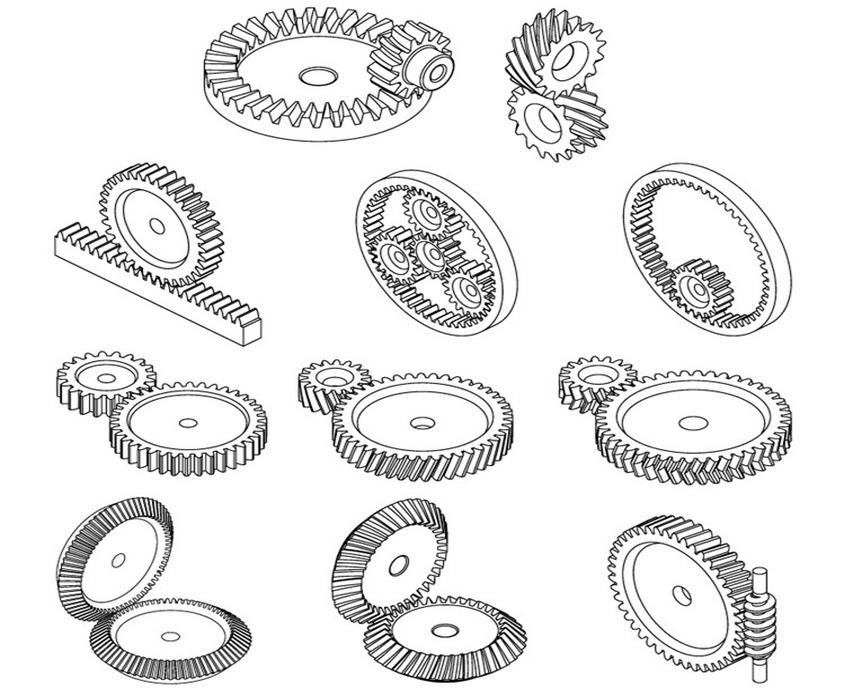
How do different types of gears contribute to the operation of an automobile?
Various types of gears contribute to the operation of an automobile in different ways. Here’s a detailed explanation:
1. Spur Gears: Spur gears are the most common type of gears used in automobiles. They have straight teeth and are mounted on parallel shafts. Spur gears provide a simple and efficient way to transmit rotational power and motion between shafts. They are commonly used in transmissions to transfer power from the engine to the wheels at different gear ratios.
2. Helical Gears: Helical gears have angled teeth that are cut in a helix shape. This design allows for smoother and quieter operation compared to spur gears. In automobiles, helical gears are often used in the transmission system to provide smoother gear engagement and reduce noise and vibration during gear shifts.
3. Bevel Gears: Bevel gears have conical-shaped teeth and are used to transmit power between shafts that intersect at an angle. In automobiles, bevel gears are commonly found in the differential, which transfers power from the transmission to the wheels while allowing them to rotate at different speeds during turns. They are also used in the steering system to transfer power from the steering column to the wheels.
4. Worm Gears: Worm gears consist of a worm (a screw-like gear) and a worm wheel. They provide high gear reduction ratios and are often used in applications where high torque is required, such as power steering systems in automobiles. Worm gears offer self-locking properties, meaning they prevent the backdriving of the system, providing stability and safety.
5. Rack and Pinion Gears: Rack and pinion gears convert rotational motion into linear motion. They consist of a straight bar with teeth (rack) and a gear (pinion) that meshes with the rack. Rack and pinion gears are commonly used in the steering system of automobiles to convert the rotational motion of the steering wheel into linear motion, allowing the driver to control the direction of the vehicle.
6. Planetary Gears: Planetary gears, also known as epicyclic gears, consist of a sun gear, planet gears, and a ring gear. They offer high gear reduction ratios and compact designs. In automobiles, planetary gears are used in automatic transmissions to achieve different gear ratios and provide smooth gear changes without the need for manual shifting.
Each type of gear plays a specific role in the operation of an automobile, contributing to the transmission of power, speed control, torque multiplication, and directional control. The combination and arrangement of these gears in various automotive systems enable the vehicle to perform functions such as accelerating, decelerating, turning, and maintaining speed efficiently and safely.


editor by Dream 2024-05-14