gear rack manufacturing process

Gear Rack Manufacturing Process and Gear Rack
Introduction to Gear Rack Manufacturing Process
Gear rack manufacturing is a complex process that requires precision and expertise. Gear racks are essential mechanical components used in various industries to convert rotational motion into linear motion. This article delves into the detailed manufacturing process of gear racks, exploring each step involved and highlighting the critical factors that ensure the production of high-quality gear racks.
Material Selection for Gear Racks
The initial step in gear rack manufacturing is the selection of appropriate materials. Common materials include steel, aluminum, and plastic, each chosen based on the specific application requirements. Steel racks, known for their strength, are often used in heavy machinery, while aluminum racks are preferred for lightweight applications. The selection of the material significantly impacts the performance and durability of the final product.
Gear Rack Design and Engineering
The design phase involves creating detailed specifications for the gear rack. Engineers use advanced CAD software to design gear racks with precise dimensions and tooth profiles. These designs are crucial for ensuring that the gear racks will mesh correctly with their corresponding gears and function effectively in their intended applications.
Cutting and Shaping Processes
Once the design is finalized, the gear rack undergoes cutting and shaping processes. This typically involves using CNC machines to cut the gear teeth accurately. The quality of these cuts is paramount, as any imperfections can lead to operational issues. Advanced cutting techniques, such as hobbing and milling, are employed to achieve the desired tooth profile and surface finish.
Heat Treatment and Hardening
To enhance the durability and wear resistance of gear racks, heat treatment processes such as quenching and tempering are applied. These processes alter the microstructure of the material, increasing its hardness and strength. Proper heat treatment ensures that the gear racks can withstand the mechanical stresses they will encounter during operation.
Surface Finishing and Coating
Surface finishing processes, like grinding and polishing, are carried out to achieve the required surface smoothness and accuracy. Additionally, various coatings, such as black oxide or zinc plating, can be applied to protect the gear racks from corrosion and extend their service life.
Quality Control and Inspection
Quality control is a critical aspect of gear rack manufacturing. Each gear rack undergoes rigorous inspection to ensure it meets the specified tolerances and standards. Instruments such as coordinate measuring machines (CMM) and optical comparators are used to verify the dimensions and tooth profiles of the gear racks.
Assembly and Packaging
After passing the quality checks, the gear racks are assembled and packaged for delivery. Proper packaging is essential to protect the gear racks from damage during transportation. This step ensures that the gear racks reach the end-users in perfect condition, ready for installation and use.
Gear Rack Manufacturing Process and Gear Rack Relationship
Understanding the gear rack manufacturing process is crucial to appreciating the functionality and performance of gear racks. The meticulous steps involved in producing a gear rack directly influence its reliability and efficiency in various applications. The relationship between the manufacturing process and the final product underscores the importance of precision engineering and quality control in delivering superior gear racks.

Performance Features of Gear Racks
- High Load Capacity: Gear racks are designed to handle significant loads, making them suitable for heavy-duty applications.
- Precision and Accuracy: The manufacturing process ensures that gear racks have precise tooth profiles, resulting in smooth and accurate motion.
- Durability: Gear racks are made from high-quality materials and undergo heat treatment processes to enhance their durability and lifespan.
- Versatility: Gear racks are available in various materials and sizes, making them adaptable to different industrial requirements.
- Corrosion Resistance: Surface coatings protect gear racks from environmental factors, ensuring long-term reliability.
Types and Characteristics of Gear Racks
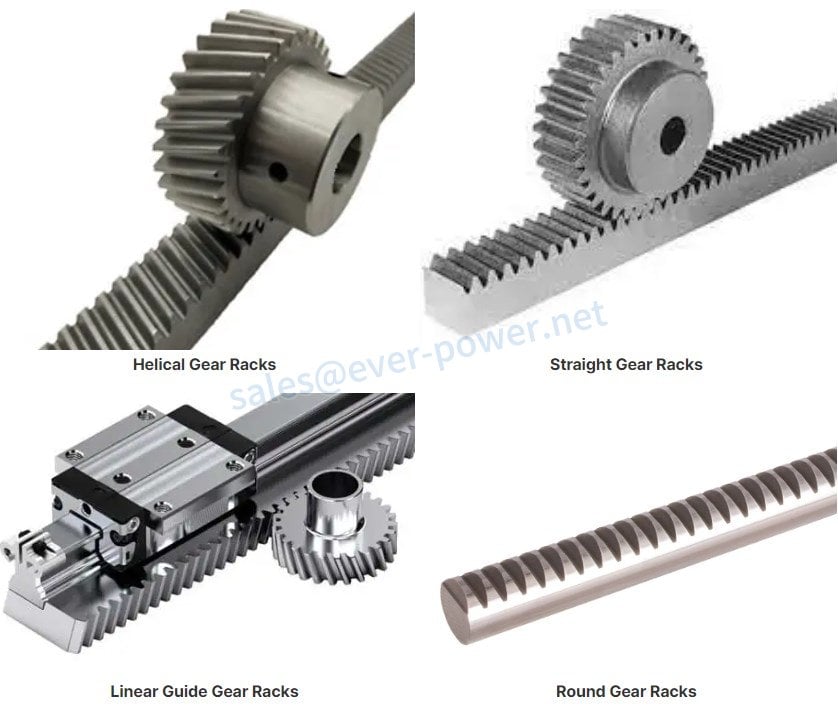
Gear racks come in different types, each suited for specific applications. Common types include straight (spur) gear racks, helical gear racks, and custom gear racks. Straight gear racks are simple and cost-effective, while helical gear racks offer smoother and quieter operation due to their angled teeth. Custom gear racks are tailored to meet unique application requirements.

The choice of material also plays a crucial role in the performance of gear racks. Steel gear racks are known for their strength and durability, making them ideal for heavy machinery. Aluminum gear racks are lightweight and corrosion-resistant, suitable for applications requiring a balance between strength and weight. Plastic gear racks offer excellent electrical insulation and are used in environments where noise reduction is a priority.
Applications of Gear Racks in Various Industries
- Aerospace Industry: Gear racks are used in aircraft landing gear systems and control surfaces, requiring high precision and reliability.
- Renewable Energy: Wind turbines and solar tracking systems employ gear racks for efficient energy generation and positioning.
- Automotive Industry: Gear racks are integral components in steering systems, providing accurate and responsive vehicle control.
- Industrial Machinery: Gear racks are used in CNC machines and robotics for precise motion control and automation.
- Medical Equipment: Gear racks ensure the precise movement of medical devices, such as surgical robots and imaging equipment.
Future Trends and Opportunities for Gear Racks
The gear rack industry is poised for significant growth, driven by advancements in material science and manufacturing technologies. Future trends include the development of more robust and lightweight gear racks, increased automation in manufacturing processes, and the adoption of smart technologies for predictive maintenance. The ongoing demand for precision and reliability in various industries presents ample opportunities for innovation and expansion in the gear rack market.

Choosing the Right Gear Rack
- Identify Requirements: Clearly define the application requirements, including load capacity, precision, and environmental conditions.
- Material Selection: Choose the appropriate material based on the application’s operational demands and environmental factors.
- Design Optimization: Ensure the gear rack design meets the necessary specifications for compatibility and performance.
- Supplier and After-Sales Service: Select a reputable supplier that offers comprehensive after-sales support and maintenance services.
- Cost-Effectiveness: Evaluate the cost against the expected performance and lifespan of the gear rack.
- Quality Control: Ensure the gear rack meets stringent quality standards and has undergone thorough inspection processes.
Maintenance of Gear Racks
- Regular Inspections: Conduct periodic inspections to identify and address any signs of wear or damage.
- Cleaning and Corrosion Prevention: Keep gear racks clean and apply protective coatings to prevent corrosion.
- Lubrication and Care: Use appropriate lubricants to reduce friction and wear, ensuring smooth operation.
- Replace Worn Components: Timely replacement of worn or damaged parts to maintain optimal performance.
- Temperature Monitoring: Monitor operating temperatures to prevent overheating and potential damage.
Why Choose Ever Power
Ever Power specializes in the production and sale of high-quality gear racks. Here are five reasons to choose our products and services:
- Expertise and Experience: With years of experience in the industry, Ever Power delivers top-notch gear racks tailored to meet diverse industrial needs.
- Advanced Manufacturing Techniques: We employ state-of-the-art manufacturing processes to ensure precision and reliability in every gear rack we produce.
- Comprehensive Quality Control: Our rigorous quality control measures guarantee that each gear rack meets the highest standards of performance and durability.
- Customized Solutions: We offer customized gear rack solutions to cater to specific application requirements, ensuring optimal functionality.
- Exceptional Customer Support: Our dedicated customer support team is always ready to assist with any inquiries or after-sales service needs.

Frequently Asked Questions
- What materials are commonly used for gear racks?
- How does the design phase impact the gear rack manufacturing process?
- What is the importance of heat treatment in gear rack manufacturing?
- What industries commonly use gear racks?
- How can I choose the right gear rack for my application?
Common materials include steel, aluminum, and plastic, each chosen based on specific application requirements.
The design phase involves creating precise specifications, which are crucial for ensuring the gear racks function effectively.
Heat treatment processes enhance durability and wear resistance, ensuring the gear racks withstand mechanical stresses.
Gear racks are used in various industries, including aerospace, renewable energy, automotive, industrial machinery, and medical equipment.
Consider factors such as application requirements, material selection, design optimization, supplier reputation, cost-effectiveness, and quality control.