gear rack noise reduction

Gear Rack Noise Reduction and Gear Rack Relationship
Introduction to Gear Rack Noise Reduction
Effective noise reduction in gear racks is critical for ensuring smooth operation and extending the lifespan of machinery. Gear racks are integral components in many mechanical systems, and their noise can significantly impact the performance and user experience. Various strategies, including material selection, precision manufacturing, and proper maintenance, can help mitigate noise.
Understanding Gear Rack Noise Sources
Noise in gear racks often originates from misalignment, improper lubrication, or surface roughness. Identifying the root cause is essential for implementing effective noise reduction techniques. Inconsistent gear meshing and excessive backlash can also contribute to noise generation.
Material Selection for Noise Reduction
Choosing the right material for gear racks plays a pivotal role in noise reduction. Materials with lower friction coefficients and higher damping capacities, such as certain polymers and composites, can absorb vibrations and reduce noise. Additionally, metal gears can be treated with surface coatings to minimize friction and wear.
Precision Manufacturing Techniques
High-precision manufacturing techniques, including grinding and honing, improve the surface finish of gear racks, thereby reducing noise. Precision engineering ensures accurate gear teeth alignment, minimizing backlash and ensuring smoother operation.
Lubrication and Its Impact on Noise
Proper lubrication is essential for minimizing gear rack noise. High-quality lubricants reduce friction and wear, leading to quieter operation. Regular lubrication maintenance schedules can prevent noise issues caused by dry or contaminated gears.
Design Considerations for Gear Rack Noise Reduction
Designing gear racks with helical or spiral teeth instead of straight teeth can significantly reduce noise. These designs promote smoother meshing and distribute loads more evenly, thus reducing noise and wear. Additionally, incorporating damping materials into the gear system can further reduce vibrations.
Maintenance Practices for Noise Reduction
Regular maintenance practices, including inspection and cleaning, help maintain gear rack performance and reduce noise. Replacing worn parts promptly and ensuring proper alignment can prevent noise issues. Regular monitoring of the gear system’s condition is crucial for long-term noise reduction.
Informational Relationship Between Gear Rack and Noise Reduction
Gear racks and noise reduction are intrinsically linked, as the design and maintenance of gear racks directly impact noise levels. The choice of materials, precision in manufacturing, and lubrication practices all influence noise reduction. Understanding the interplay between these factors is essential for optimizing gear rack performance.

Performance Characteristics of Gear Racks
- High Precision: Accurate manufacturing ensures smooth operation and minimal backlash.
- Durability: Gear racks made from high-quality materials offer long service life.
- Load Capacity: Gear racks can handle significant loads depending on their design and material.
- Versatility: Available in various sizes and configurations to suit different applications.
- Ease of Maintenance: Modular designs facilitate easy inspection and replacement of parts.
Types and Characteristics of Gear Racks
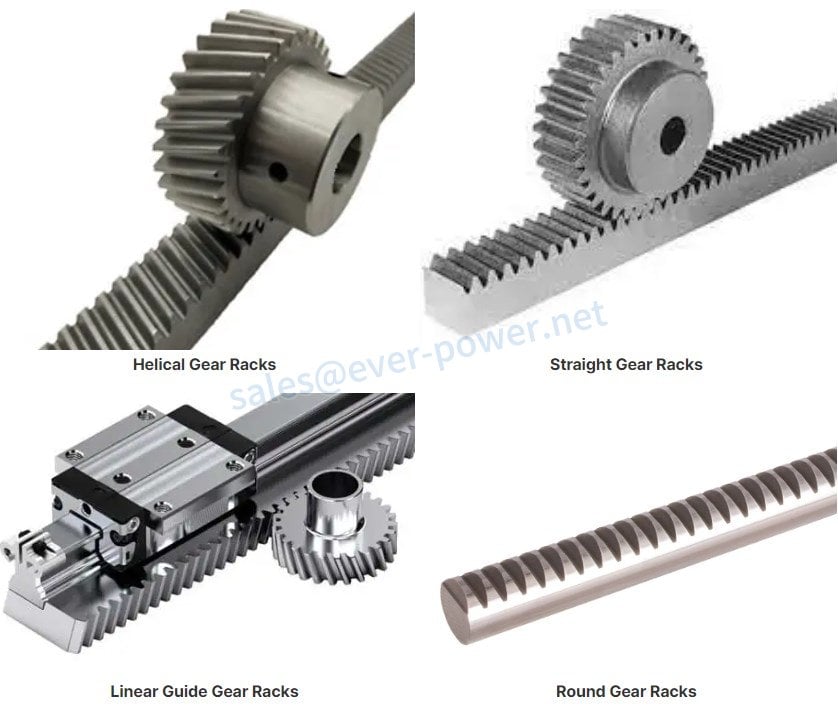
Gear racks come in various types, including straight, helical, and spiral designs. Each type has its unique characteristics and applications:
- Straight Gear Racks: Simple design, used in applications where cost is a primary concern.
- Helical Gear Racks: Provide smoother and quieter operation due to angled teeth.
- Spiral Gear Racks: Offer superior load distribution and noise reduction.
Different materials, such as steel, aluminum, and composite materials, confer specific advantages to gear racks. Steel provides high strength and durability, aluminum offers lightweight and corrosion resistance, while composites provide excellent noise reduction and wear resistance.

Applications of Gear Racks in Various Industries
Gear racks are indispensable in numerous industries:
- Aerospace: Used in actuator systems and landing gear mechanisms for precise movement control.
- Renewable Energy: Employed in solar tracking systems to optimize the alignment of solar panels.
- Automotive: Integral to steering mechanisms, providing reliable and responsive control.
- Industrial Machinery: Essential in CNC machines for accurate positioning and movement.
- Medical Equipment: Used in imaging devices and surgical robots for precise operations.
Future Trends and Opportunities in Gear Rack Industry
The gear rack industry is evolving with advancements in materials science and manufacturing technologies. Future trends include:
- Increased Use of Composites: Enhancing noise reduction and wear resistance.
- Integration of Smart Sensors: Enabling real-time monitoring and predictive maintenance.
- Eco-Friendly Materials: Developing sustainable gear rack solutions.
- Customization and 3D Printing: Offering tailored solutions for specific applications.
- Enhanced Surface Treatments: Improving durability and reducing friction.

How to Choose the Right Gear Rack
Selecting the appropriate gear rack involves several considerations:
- Identify Needs: Define the specific requirements of your application.
- Material Selection: Choose materials based on load, environment, and noise requirements.
- Design Optimization: Consider tooth design, alignment, and load distribution.
- Supplier and After-Sales Support: Partner with reliable suppliers offering comprehensive support.
- Cost-Effectiveness: Balance performance and budget constraints.
- Quality Control: Ensure rigorous quality checks and standards are maintained.
Maintaining Gear Racks
Proper maintenance of gear racks involves:
- Regular Inspection: Check for wear, alignment, and lubrication levels.
- Cleaning and Corrosion Prevention: Keep gear racks clean and free from corrosion.
- Lubrication and Servicing: Apply appropriate lubricants to reduce friction and wear.
- Replacing Worn Parts: Promptly replace any worn or damaged components.
- Temperature Monitoring: Ensure gear racks operate within recommended temperature ranges.
Why Choose Ever Power
Ever Power specializes in the production and sale of high-quality gear racks. Here are five reasons to choose our products:
- Precision Engineering: Our gear racks are manufactured to the highest standards, ensuring accuracy and reliability.
- Durable Materials: We use top-grade materials that offer excellent strength and longevity.
- Comprehensive Support: We provide extensive after-sales support to ensure your gear racks perform optimally.
- Customization Options: We offer tailored solutions to meet specific application requirements.
- Competitive Pricing: Our products deliver outstanding value without compromising on quality.

FAQs
Here are some common questions and answers about gear racks:
- Q: What materials are best for noise reduction in gear racks?
- A: Composites and certain polymers are ideal due to their damping properties.
- Q: How often should gear racks be lubricated?
- A: It depends on the application, but regular intervals recommended by the manufacturer should be followed.
- Q: Can gear racks be customized for specific applications?
- A: Yes, many manufacturers, including Ever Power, offer customization options.
- Q: What are the benefits of helical gear racks over straight gear racks?
- A: Helical gear racks provide quieter operation and better load distribution.
- Q: How do you ensure gear rack quality?
- A: Rigorous quality control processes and precision manufacturing techniques are essential.
Author: Dream