gear rack strength

Gear Rack Strength and Its Relationship with Gear Rack
Understanding Gear Rack Strength
Gear rack strength is a critical aspect when considering the efficiency and durability of mechanical systems involving racks and pinions. Gear racks are linear rods with teeth on one side that interact with a gear (pinion) to convert rotational motion into linear motion. The strength of a gear rack determines how well it can withstand the forces applied during operation without deforming or failing. This includes both the material strength and the design parameters such as tooth profile and pitch. Proper analysis and selection of gear rack strength are essential for ensuring long-term reliability and optimal performance.
Material Influence on Gear Rack Strength
The material from which a gear rack is made greatly influences its strength. Common materials include steel, stainless steel, and various alloys. Each material offers a different balance of tensile strength, hardness, and resistance to wear and corrosion. For instance, steel gear racks are known for their high tensile strength and durability, making them suitable for heavy-duty applications. Stainless steel racks, while slightly less strong, provide excellent resistance to corrosion, making them ideal for environments prone to moisture or chemical exposure.
Design Considerations for Gear Rack Strength
Several design factors affect the strength of a gear rack. The pitch, or the distance between teeth, must be optimized to balance load capacity and smoothness of operation. Tooth profile, typically involute, must be designed to ensure uniform distribution of forces and reduce the risk of stress concentrations. Additionally, the overall dimensions and support structures, such as mounting and bracing, play a significant role in enhancing the gear rack’s strength.
Heat Treatment and Gear Rack Strength
Heat treatment processes such as carburizing, quenching, and tempering can significantly enhance the strength of gear racks. These processes alter the microstructure of the material, increasing hardness and tensile strength while improving wear resistance. Properly heat-treated gear racks can withstand higher loads and have longer service lives compared to untreated racks.
Gear Rack Strength in Dynamic Loading
Dynamic loading conditions, where forces vary in magnitude and direction over time, pose a unique challenge to gear rack strength. Gear racks must be designed to handle fluctuating stresses without experiencing fatigue failure. This often involves careful selection of material, precise manufacturing tolerances, and thorough testing to ensure reliable performance under dynamic conditions.
Gear Rack Strength and Noise Reduction
In applications where noise reduction is important, such as in automotive or aerospace industries, gear rack strength must be balanced with noise minimization techniques. This may involve using materials with damping properties, optimizing tooth profiles to reduce meshing noise, and ensuring precise alignment and lubrication to minimize vibrations.
Informational Relationship Between Gear Rack Strength and Gear Rack
Gear rack strength is intrinsically linked to the overall performance and durability of gear racks. Without adequate strength, gear racks can fail under load, leading to increased maintenance costs and potential system downtime. Understanding and optimizing gear rack strength involves a comprehensive analysis of material properties, design parameters, and operational conditions.

Performance Characteristics of Gear Racks
- High Load Capacity: Gear racks are designed to handle heavy loads, making them ideal for industrial applications.
- Precision: High precision in tooth alignment ensures smooth operation and minimal backlash.
- Durability: Made from robust materials, gear racks offer long service life and can withstand harsh operational conditions.
- Versatility: Available in various sizes and materials, gear racks can be customized to suit different applications.
- Cost-Effectiveness: Gear racks provide an efficient solution for linear motion, offering a balance between performance and cost.
Types of Gear Racks and Their Characteristics
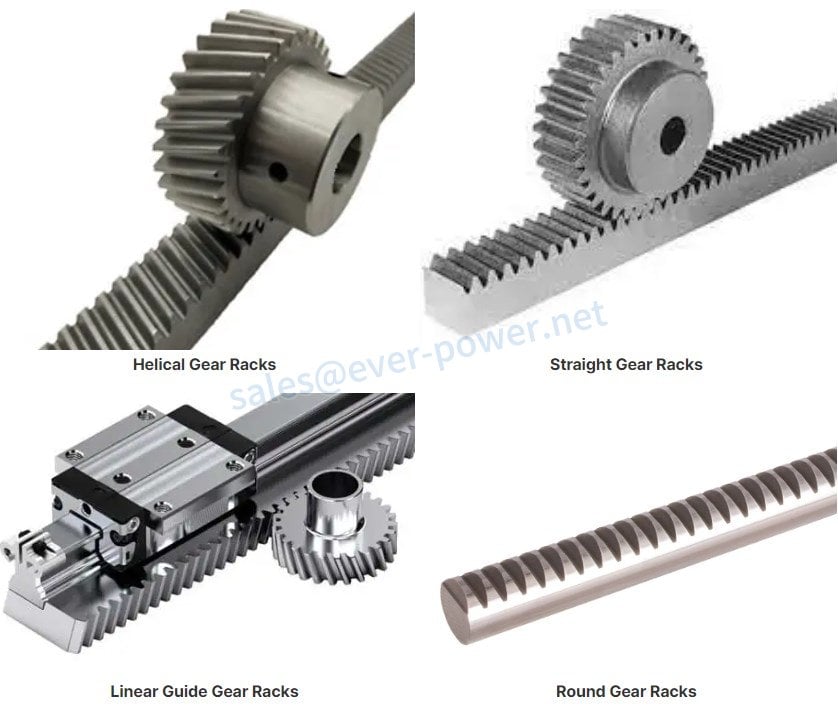
Gear racks come in various forms, each suited for specific applications:
- Straight Gear Racks: Commonly used for their simplicity and cost-effectiveness.
- Helical Gear Racks: Provide smoother and quieter operation due to angled teeth.
- Curved Gear Racks: Used in applications requiring flexible motion paths.
- Plastic Gear Racks: Lightweight and corrosion-resistant, suitable for low-load applications.

Gear Rack in Aerospace Industry
In the aerospace industry, gear racks are used in control systems for precise movement. They must be lightweight yet strong to meet stringent safety and performance standards.
Gear Rack in Renewable Energy
Gear racks are integral in the operation of solar tracking systems and wind turbine adjusters, where they ensure optimal alignment for energy generation.
Gear Rack in Automotive Industry
Used in steering systems and other moving parts, gear racks in the automotive industry demand high precision and durability to ensure safety and performance.
Gear Rack in Industrial Machinery
Industrial machinery relies on gear racks for various functions, including material handling and automated assembly lines, requiring reliable and robust gear racks.
Gear Rack in Medical Machinery
In medical equipment, gear racks are used in imaging and diagnostic devices, where accuracy and reliability are paramount for patient safety and effective diagnosis.
Future Development Trends and Opportunities for Gear Racks
- Advanced Materials: Development of new materials to enhance strength and reduce weight.
- Smart Gear Racks: Integration of sensors for real-time monitoring and maintenance.
- Sustainability: Focus on environmentally friendly manufacturing processes and materials.
- Customization: Increasing demand for customized solutions to meet specific industry needs.
- Global Expansion: Growth in emerging markets presenting new opportunities for gear rack applications.

How to Choose the Right Gear Rack
Choosing the right gear rack involves several considerations:
- Define Requirements: Clearly identify the operational requirements and load conditions.
- Material Selection: Choose materials based on strength, durability, and environmental conditions.
- Design Optimization: Ensure the design meets performance and installation requirements.
- Supplier and After-Sales Service: Select a reputable supplier with strong after-sales support.
- Cost-Benefit Analysis: Balance cost with the expected performance and lifespan of the gear rack.
- Quality Control: Ensure rigorous quality control processes are in place to guarantee product reliability.
Maintaining Gear Racks
Proper maintenance of gear racks ensures longevity and optimal performance:
- Regular Inspections: Periodically check for wear and damage.
- Cleaning and Corrosion Prevention: Keep gear racks clean and apply protective coatings as necessary.
- Lubrication: Regularly lubricate to reduce friction and wear.
- Replace Worn Parts: Timely replacement of worn components to avoid system failure.
- Temperature Monitoring: Ensure operating temperatures remain within safe limits to prevent overheating.
Why Choose Ever Power
Ever Power specializes in the production and sale of high-quality gear racks. Here are five reasons to partner with us:
- Extensive Experience: With years of industry experience, we provide expert solutions tailored to your needs.
- High-Quality Products: Our gear racks are manufactured to the highest standards, ensuring durability and reliability.
- Customization Options: We offer a wide range of customization options to meet specific application requirements.
- Competitive Pricing: Our cost-effective solutions provide excellent value without compromising on quality.
- Exceptional Customer Service: We offer comprehensive support, from initial consultation to after-sales service.

Q&A
- What materials are commonly used for gear racks? Steel, stainless steel, and various alloys are commonly used due to their strength and durability.
- How does heat treatment affect gear rack strength? Heat treatment enhances material properties, increasing hardness and tensile strength, thus improving wear resistance.
- What industries commonly use gear racks? Gear racks are used in aerospace, automotive, renewable energy, industrial machinery, and medical machinery industries.
- What are the benefits of using helical gear racks? Helical gear racks provide smoother and quieter operation due to their angled teeth.
- How can I ensure the longevity of my gear racks? Regular maintenance, including inspections, cleaning, lubrication, and timely replacement of worn parts, ensures longevity and optimal performance.
Author: Dream