gear rack failure analysis

Gear Rack Failure Analysis and Gear Rack Relationship
Introduction to Gear Rack Failure Analysis
Gears and gear racks are fundamental components in mechanical power transmission systems. Understanding gear rack failure is crucial to maintaining operational efficiency and preventing unexpected downtimes. Gear rack failure analysis involves identifying the root causes of failures, determining the wear patterns, and implementing preventive measures to enhance the longevity and reliability of gear racks.
Common Causes of Gear Rack Failure
Several factors can contribute to gear rack failure. These include improper installation, inadequate lubrication, material defects, excessive load, and misalignment. Each of these factors can lead to different types of failures such as tooth breakage, pitting, scoring, and wear. Identifying these causes early can help in implementing corrective actions to prevent future occurrences.
Types of Gear Rack Failures
Gear rack failures can manifest in various forms. Tooth breakage is often caused by excessive shock loads or material defects. Pitting occurs due to fatigue and surface contact stress. Scoring, or adhesive wear, happens when there is insufficient lubrication, leading to metal-to-metal contact. Regular inspections can help detect these issues before they become severe.
Analyzing Wear Patterns
Wear patterns on gear racks can provide significant insights into the underlying issues. Uniform wear usually indicates normal operation, whereas uneven wear suggests misalignment or improper installation. Detailed analysis of wear patterns helps in diagnosing the root cause and implementing necessary adjustments.
Preventive Maintenance Strategies
Preventive maintenance is essential to avoid gear rack failures. This involves regular inspections, proper lubrication, alignment checks, and timely replacement of worn-out parts. Implementing a robust maintenance schedule can significantly enhance the lifespan and performance of gear racks.
Material Selection and Its Impact
The choice of material plays a critical role in the durability and performance of gear racks. Materials such as steel, aluminum, and plastic are commonly used, each offering distinct advantages. Steel gear racks are known for their strength and durability, while aluminum provides a lightweight alternative. Plastic gear racks offer good wear resistance and are suitable for specific applications.
Gear Rack Failure Analysis and Gear Rack Relationship
Understanding the relationship between gear rack failure analysis and the gear rack itself is pivotal. Failure analysis provides the necessary insights to optimize the design, material selection, and maintenance practices of gear racks. This symbiotic relationship ensures that gear racks operate efficiently, minimizing the risk of unexpected downtimes and extending their service life.

Performance Characteristics of Gear Racks
- Load Capacity: Gear racks are designed to handle varying loads depending on the material and design.
- Precision: High precision gear racks ensure accurate movement and positioning.
- Durability: Quality materials and proper maintenance enhance the durability of gear racks.
- Ease of Maintenance: Gear racks with modular designs are easier to maintain and replace parts.
- Versatility: Gear racks can be used in a wide range of applications due to their customizable nature.
Types and Characteristics of Gear Racks
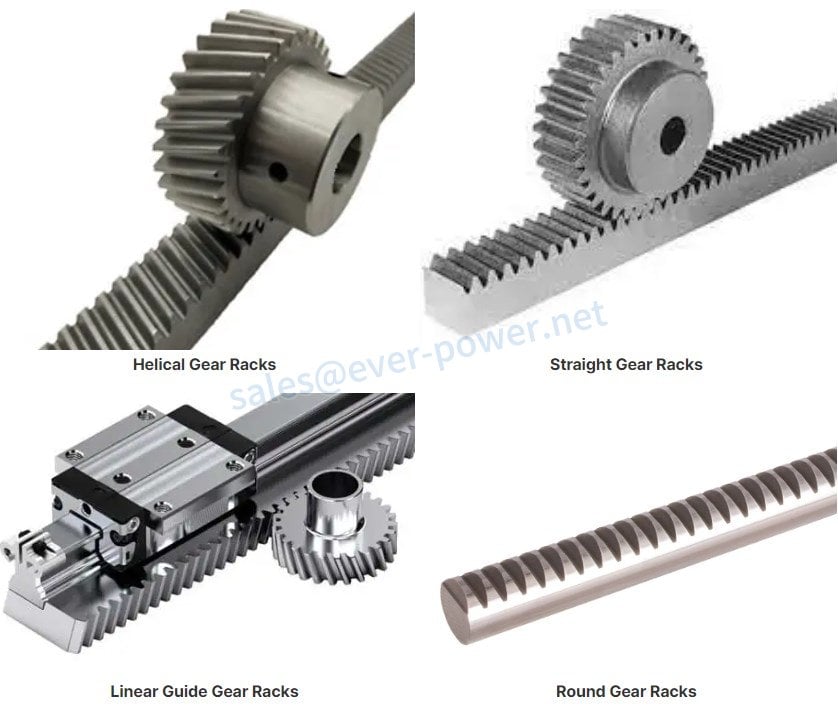
Gear racks come in various types, each suited for specific applications. Straight gear racks provide linear motion, while helical gear racks offer smoother and quieter operation. The material choice also impacts their characteristics:
- Steel Gear Racks: Known for high strength and durability, ideal for heavy-duty applications.
- Aluminum Gear Racks: Lightweight and corrosion-resistant, suitable for applications where weight is a concern.
- Plastic Gear Racks: Provide good wear resistance and are ideal for quieter operations and lightweight applications.

Applications of Gear Racks in Various Industries
- Aerospace Industry: Gear racks are used in aircraft control systems for precise and reliable motion control.
- Renewable Energy: In wind turbines, gear racks play a critical role in adjusting the blades for optimal performance.
- Automotive Industry: Used in steering systems, gear racks ensure accurate and responsive vehicle handling.
- Industrial Machinery: Gear racks are essential for machines requiring linear motion and positioning.
- Medical Machinery: Precision gear racks are used in medical devices for accurate and reliable performance.
Future Trends and Opportunities for Gear Rack Products
- Advanced Materials: The development of new materials can enhance the performance and durability of gear racks.
- Automation Integration: Gear racks integrated with automated systems can improve efficiency and precision.
- Customization: Increasing demand for customized gear racks tailored to specific applications.
- Environmental Sustainability: Focus on eco-friendly materials and manufacturing processes.
- Global Market Expansion: Growing opportunities in emerging markets as industrialization progresses.

Choosing the Right Gear Rack
Selecting the appropriate gear rack involves several considerations:
- Identify Needs: Determine the specific requirements of the application, such as load capacity and precision.
- Material Selection: Choose the appropriate material based on the application’s environmental and operational conditions.
- Design Optimization: Optimize the design for efficient performance and ease of maintenance.
- Supplier and After-Sales Service: Select a reliable supplier offering comprehensive after-sales support.
- Cost-Effectiveness: Balance cost with performance to ensure a cost-effective solution.
- Quality Control: Ensure the gear rack conforms to industry standards and quality benchmarks.
Maintaining Gear Racks
Proper maintenance of gear racks is essential for their longevity and performance:
- Regular Inspections: Conduct periodic checks to identify and address issues early.
- Cleaning and Corrosion Prevention: Keep the gear racks clean and apply anti-corrosion measures.
- Lubrication and Care: Ensure proper lubrication to reduce friction and wear.
- Replace Worn Parts: Timely replacement of worn components to prevent extensive damage.
- Temperature Monitoring: Monitor operating temperatures to prevent overheating and related failures.
Why Choose Ever Power
At Ever Power, we specialize in the production and sale of high-quality gear racks. Here’s why you should consider partnering with us:
- Extensive Experience: We have years of experience in manufacturing and supplying gear racks, ensuring top-notch quality and reliability.
- Advanced Technology: Our production facilities are equipped with the latest technology, allowing us to produce precision gear racks.
- Comprehensive Support: We offer excellent customer service and after-sales support to assist you with any issues.
- Custom Solutions: We provide customizable gear rack solutions tailored to meet your specific needs.
- Competitive Pricing: Our products are competitively priced without compromising on quality, offering great value for money.

FAQs
Q1: What are the common causes of gear rack failure?
A1: Common causes include improper installation, inadequate lubrication, material defects, excessive load, and misalignment.
Q2: How can I prevent gear rack failures?
A2: Regular inspections, proper lubrication, alignment checks, and timely replacement of worn parts can help prevent failures.
Q3: What materials are used for gear racks?
A3: Gear racks are commonly made from steel, aluminum, and plastic, each offering distinct advantages.
Q4: How do I choose the right gear rack for my application?
A4: Consider factors such as load capacity, material selection, design optimization, supplier reliability, cost-effectiveness, and quality control.
Q5: Why should I choose Ever Power for gear racks?
A5: Ever Power offers extensive experience, advanced technology, comprehensive support, custom solutions, and competitive pricing.
Author: Dream