gear rack inspection

Gear Rack Inspection and Its Relationship with Gear Rack
Introduction to Gear Rack Inspection
Gear rack inspection is a critical process in ensuring the performance and longevity of gear racks used across various industries. It involves a series of evaluations to check the gear rack for any defects, wear, or deviations from specified dimensions. This meticulous inspection process ensures that the gear racks operate smoothly and efficiently, reducing the risk of failure and extending their operational life.
Importance of Gear Rack Inspection
Gear rack inspection is essential for maintaining the integrity of mechanical systems where gear racks are used. It helps in identifying potential issues at an early stage, preventing costly downtime and repairs. Regular inspections also ensure that the gear racks meet the required standards and specifications, thus guaranteeing optimal performance.
Inspection Techniques
Several techniques are employed in gear rack inspection, including visual inspection, dimensional measurement, and non-destructive testing (NDT). Visual inspection involves checking for surface defects, while dimensional measurement ensures that the gear rack’s dimensions conform to specified tolerances. NDT methods, such as ultrasonic testing and magnetic particle inspection, help in detecting internal defects without damaging the gear rack.
Inspection Equipment
Advanced inspection equipment is used to carry out precise evaluations of gear racks. Coordinate measuring machines (CMM), optical comparators, and laser scanners are some of the tools utilized to measure the gear rack’s dimensions accurately. These tools provide high-resolution data that helps in identifying even the smallest deviations.
Inspection Criteria
The criteria for gear rack inspection depend on the application and the standards set by relevant authorities. Common criteria include checking for surface finish, pitch accuracy, tooth profile, and overall straightness. These parameters ensure that the gear rack will function correctly and efficiently in its intended application.
Relationship Between Gear Rack Inspection and Gear Rack
Gear rack inspection is directly related to the performance and reliability of the gear rack itself. Through meticulous inspection, manufacturers can ensure that the gear racks meet the required quality standards and specifications. This process is critical in preventing failures and ensuring the smooth operation of mechanical systems that rely on gear racks.

Gear Rack Performance Characteristics
Gear racks exhibit several performance characteristics that make them suitable for various applications:
- Load Capacity: Gear racks are designed to handle significant loads, making them ideal for heavy-duty applications.
- Precision: High precision in gear rack manufacturing ensures smooth and accurate linear motion.
- Durability: Gear racks made from high-quality materials offer excellent durability and resistance to wear.
- Versatility: Gear racks can be used in a wide range of applications, from automotive to industrial machinery.
- Ease of Installation: Gear racks are relatively easy to install and integrate into existing systems.
Types and Materials of Gear Racks
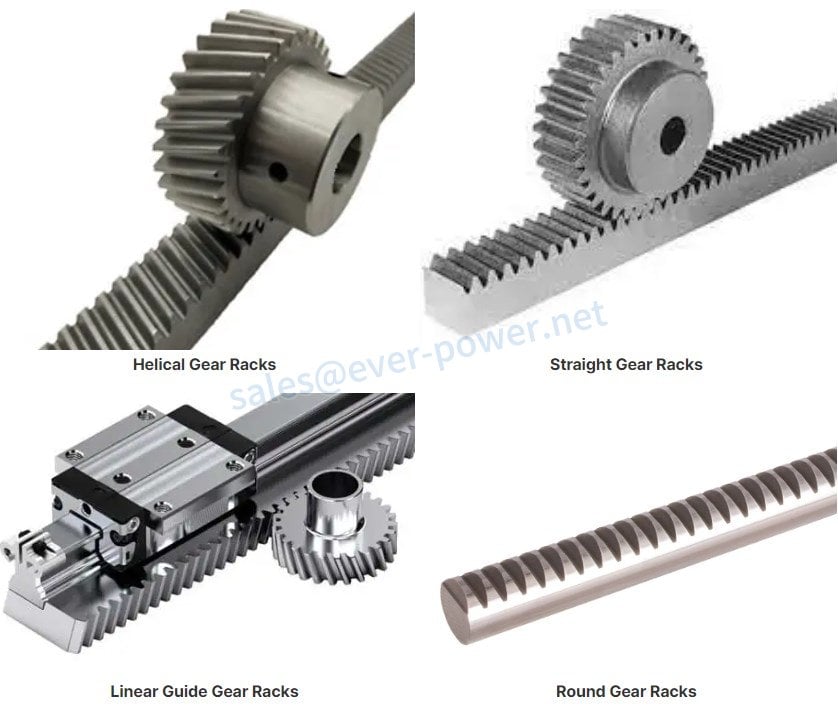
Gear racks come in various types and materials, each with its unique advantages:
- Steel Gear Racks: Known for their strength and durability, steel gear racks are ideal for heavy-duty applications.
- Plastic Gear Racks: Lightweight and corrosion-resistant, plastic gear racks are suitable for applications where weight and environmental factors are a concern.
- Aluminum Gear Racks: Offering a good balance of strength and weight, aluminum gear racks are used in applications requiring moderate strength and lightweight characteristics.

Applications of Gear Racks in Various Industries
Gear racks are used in a multitude of industries due to their versatility and reliability:
- Aerospace Industry: Gear racks are used in aircraft control systems and landing gear mechanisms for precise linear motion.
- Renewable Energy: Gear racks are utilized in solar tracking systems to accurately position solar panels for optimal energy capture.
- Automotive Industry: Gear racks are essential components in steering systems, ensuring precise control and maneuverability.
- Industrial Machinery: Gear racks are used in CNC machines and other industrial equipment for accurate positioning and motion control.
- Medical Equipment: Gear racks are employed in medical devices, such as imaging equipment and surgical robots, for precise and reliable motion.
Future Trends and Opportunities
The gear rack industry is poised for growth, driven by technological advancements and increasing demand across various sectors:
- Automation: The rise of automation in manufacturing and other industries will drive the demand for high-precision gear racks.
- Innovative Materials: Development of new materials with enhanced properties will lead to improved gear rack performance and lifespan.
- Customization: Increasing demand for customized solutions will open new opportunities for manufacturers to offer tailor-made gear racks.

Choosing the Right Gear Rack
Selecting the appropriate gear rack involves several considerations:
- Identify Requirements: Determine the specific needs of your application, such as load capacity, precision, and environmental factors.
- Material Selection: Choose the material that best suits your application requirements, considering factors like strength, weight, and corrosion resistance.
- Design Optimization: Optimize the design of the gear rack to enhance performance and ensure compatibility with your system.
- Supplier and After-Sales Support: Select a reputable supplier that offers comprehensive after-sales support to ensure reliability and performance.
- Cost-Effectiveness: Balance the cost of the gear rack with its performance and lifespan to achieve the best value for your investment.
- Quality Control: Ensure that the gear rack meets the required quality standards through rigorous testing and inspection.
Maintenance of Gear Racks
Proper maintenance is crucial for the longevity and performance of gear racks:
- Regular Inspections: Conduct periodic inspections to identify and address any issues before they become severe.
- Cleaning and Corrosion Protection: Keep the gear rack clean and apply protective coatings to prevent corrosion.
- Lubrication and Maintenance: Regularly lubricate the gear rack to reduce friction and wear.
- Replace Worn Parts: Replace any worn or damaged components to maintain optimal performance.
- Temperature Monitoring: Monitor the operational temperature to prevent overheating and ensure the gear rack operates within safe limits.
Why Choose Ever Power
At Ever Power, we specialize in producing and supplying high-quality gear racks. Here are some reasons to choose our products:

- Superior Quality: We use the finest materials and advanced manufacturing techniques to ensure that our gear racks meet the highest standards.
- Customization Options: We offer a wide range of customization options to meet the specific needs of our clients.
- Experienced Team: Our team of experts has extensive experience in the industry, providing reliable solutions and support.
- Competitive Pricing: We offer our high-quality gear racks at competitive prices, ensuring excellent value for our customers.
- Comprehensive Support: We provide comprehensive after-sales support, including maintenance and repair services, to ensure the long-term performance of our products.
Frequently Asked Questions
Here are some common questions our customers ask about our gear racks:
- What materials are used in your gear racks? We use materials such as steel, plastic, and aluminum, depending on the application requirements.
- How do you ensure the quality of your gear racks? We employ rigorous inspection and testing processes to ensure that our gear racks meet the highest quality standards.
- Can you customize gear racks to specific requirements? Yes, we offer a wide range of customization options to meet the unique needs of our clients.
- What industries do you serve? Our gear racks are used in various industries, including aerospace, automotive, industrial machinery, and medical equipment.
- What kind of after-sales support do you provide? We offer comprehensive after-sales support, including maintenance, repair services, and technical assistance.
Author: Dream