gear rack vibration analysis

Gear Rack Vibration Analysis and Gear Rack
Introduction to Gear Rack Vibration Analysis
Gear rack vibration analysis is an essential process for ensuring the optimal performance and longevity of gear-driven systems. Understanding the dynamics of vibration behavior can help prevent machinery failure, reduce maintenance costs, and improve overall system efficiency. This analysis involves the study of various factors such as gear mesh frequency, load distribution, and material properties that contribute to vibration in gear racks.
Fundamentals of Gear Rack Vibration
Vibration in gear racks can be caused by numerous factors, including misalignment, manufacturing defects, and external loads. By analyzing these vibrations, engineers can identify the root causes and implement corrective measures. Advanced analytical techniques, such as finite element analysis (FEA) and modal analysis, are often employed to study vibration characteristics in detail.
Vibration Measurement Techniques
Several measurement techniques are used to assess vibration in gear racks. Accelerometers, laser vibrometers, and strain gauges are commonly utilized tools. These devices help capture data on amplitude, frequency, and phase of vibrations, providing crucial insights into the health of the gear system.
Impact of Gear Rack Design on Vibration
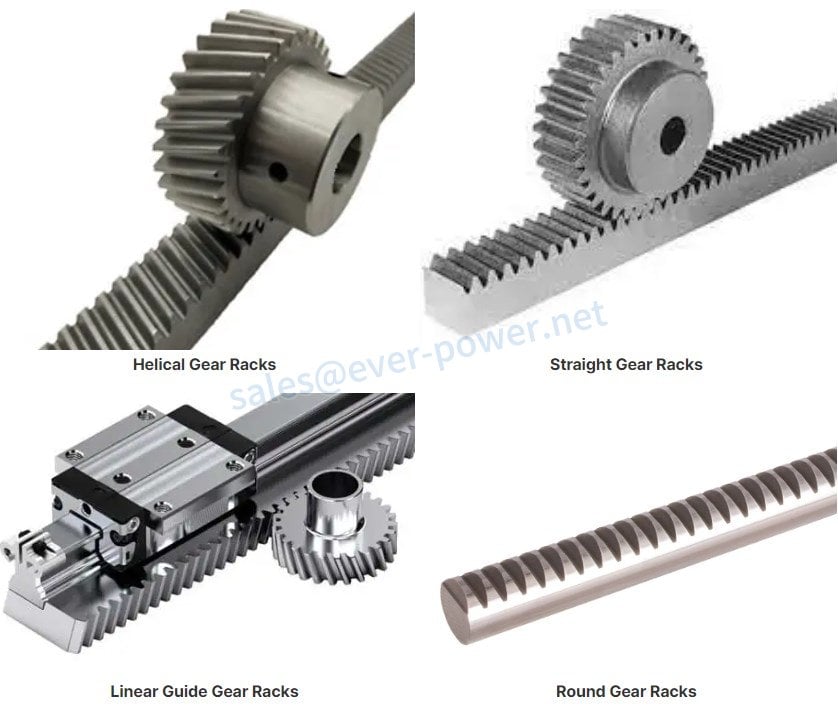
The design of a gear rack significantly influences its vibration characteristics. Factors such as tooth profile, pitch, and helix angle play a crucial role. For instance, helical gear racks generally produce less vibration compared to spur gear racks due to their gradual engagement.
Material Properties and Their Influence
The material of the gear rack can also affect vibration behavior. Metals like steel offer high strength but may transmit vibrations more readily. Conversely, composite materials can absorb vibrations better, reducing noise and wear.
Role of Lubrication in Vibration Reduction
Proper lubrication is vital for minimizing vibration in gear racks. It reduces friction, dampens oscillations, and prevents wear. Selecting the right lubricant based on operating conditions and material compatibility is crucial for effective vibration control.
Predictive Maintenance Strategies
Predictive maintenance involves monitoring vibration levels to foresee potential failures before they occur. Techniques such as vibration analysis, thermography, and acoustic emission testing are used to predict the remaining useful life of gear systems.
Gear Rack Vibration Analysis and Gear Rack Relationship
Gear rack vibration analysis is intrinsically linked to the design and functionality of the gear rack itself. Understanding this relationship helps in designing gear racks that are less prone to vibrations, thereby enhancing performance and reliability.

Performance Characteristics of Gear Racks
- High Load Capacity: Gear racks can handle significant loads, making them suitable for heavy-duty applications.
- Precision: High precision in tooth profile ensures accurate movement and positioning.
- Durability: Made from robust materials, gear racks offer long service life under various operating conditions.
- Versatility: Available in different sizes and configurations to meet diverse application needs.
- Efficiency: Efficient power transmission with minimal energy loss.
Types and Characteristics of Gear Racks
Gear racks are available in various types, each offering specific characteristics and advantages. Common types include:
- Spur Gear Racks: Known for straightforward teeth alignment, suitable for linear movements.
- Helical Gear Racks: Provide smoother and quieter operation due to angled teeth.
- Curved Gear Racks: Offer flexibility in applications requiring curved motion paths.
The choice of material also affects the gear rack’s performance. For example, steel gear racks offer high strength and durability, while nylon gear racks are lightweight and resistant to corrosion.

Applications of Gear Racks in Various Industries
- Aerospace Industry: Gear racks are used in actuators and control systems for precise movement.
- Renewable Energy: Employed in solar tracking systems to maximize energy capture.
- Automotive Industry: Integral to steering systems and automated vehicle control mechanisms.
- Industrial Machinery: Used in CNC machines for accurate positioning and movement.
- Medical Devices: Essential in surgical robots and diagnostic equipment for precision operations.
Future Development Trends and Opportunities
- Integration with IoT: Smart gear racks featuring sensors for real-time monitoring.
- Advanced Materials: Development of lighter and more resilient materials for better performance.
- Sustainability: Eco-friendly manufacturing processes and materials to reduce environmental impact.
- Customization: Increased demand for tailor-made gear racks to meet specific application needs.
- Automation: Enhanced automation in production processes for higher precision and efficiency.

How to Choose the Right Gear Rack
- Define Requirements: Clearly outline the specific needs and operating conditions.
- Material Selection: Choose materials that offer desired strength, durability, and performance.
- Optimize Design: Ensure the gear rack design is suitable for the intended application.
- Supplier and After-Sales Service: Opt for reputable suppliers with good after-sales support.
- Cost-Effectiveness: Balance performance with budget constraints.
- Quality Control: Ensure rigorous quality checks and certifications are in place.
Maintenance of Gear Racks
- Regular Inspections: Periodically check for signs of wear and damage.
- Cleaning and Corrosion Prevention: Keep gear racks clean and apply anti-corrosion treatments.
- Lubrication and Upkeep: Regularly lubricate to minimize friction and wear.
- Replacement of Worn Parts: Replace components showing significant wear to maintain performance.
- Temperature Monitoring: Ensure operating temperatures are within acceptable ranges to prevent overheating.
Why Choose Ever Power
At Ever Power, we specialize in the production and sale of high-quality gear racks. Here are five reasons to choose our products:
- Expertise: Over 20 years of industry experience, ensuring high-quality products and services.
- Innovation: Cutting-edge technology and continuous R&D to offer advanced solutions.
- Customization: Tailor-made gear racks to meet specific customer requirements.
- Quality Assurance: Rigorous testing and certification processes to ensure product reliability.
- Comprehensive Support: Excellent customer service and after-sales support for complete satisfaction.

FAQs
- What factors contribute to gear rack vibration?
Misalignment, external loads, and material properties are common contributors. - How can vibration in gear racks be measured?
Techniques include the use of accelerometers, laser vibrometers, and strain gauges. - What are the benefits of helical gear racks over spur gear racks?
Helical gear racks offer smoother and quieter operation due to their angled teeth. - How can predictive maintenance help with gear rack performance?
It helps in foreseeing potential failures and scheduling timely maintenance. - What makes Ever Power gear racks a reliable choice?
Our expertise, innovative solutions, customization options, quality assurance, and comprehensive support make us a preferred choice.
Author: Dream