gear rack testing standards

Gear Rack Testing Standards and Gear Rack
Introduction to Gear Rack Testing Standards
Gear rack testing standards play a crucial role in ensuring the performance and reliability of gear racks in various industrial applications. These standards are a set of guidelines and criteria that manufacturers follow to test and validate the quality, durability, and functionality of gear racks. They encompass multiple aspects including material quality, dimensional accuracy, load capacity, and wear resistance.
Importance of Gear Rack Testing Standards
The importance of adhering to gear rack testing standards cannot be overstated. These standards ensure that the gear racks can withstand the operational stress and perform efficiently over their intended lifespan. By following these standards, manufacturers can guarantee consistency in quality, which is critical for applications in high-precision environments such as aerospace and automotive industries.
Types of Gear Rack Testing
There are various types of testing methods employed under gear rack testing standards. These include dimensional inspection, hardness testing, wear testing, and load capacity testing. Each type of test focuses on a specific characteristic of the gear rack to ensure it meets the required specifications and can perform reliably in its intended application.
Dimensional Inspection
Dimensional inspection involves measuring the gear rack’s dimensions to ensure they conform to the specified tolerances. This is crucial as even minor deviations can lead to performance issues. Advanced tools like coordinate measuring machines (CMMs) are often used for this purpose.
Hardness Testing
Hardness testing is used to determine the material’s resistance to deformation. This is essential for ensuring the gear rack can handle high loads without undergoing significant wear. Common methods include Rockwell and Vickers hardness tests.
Wear Testing
Wear testing assesses the gear rack’s resistance to wear under simulated operational conditions. This helps in predicting the gear rack’s lifespan and identifying potential failure modes. Pin-on-disk and block-on-ring tests are commonly used for this purpose.
Load Capacity Testing
Load capacity testing involves subjecting the gear rack to high loads to ensure it can handle the maximum operational stress. This type of testing helps in verifying the gear rack’s structural integrity and performance under extreme conditions.
Gear Rack Testing Standards and Gear Rack
Gear rack testing standards provide a benchmark for evaluating the quality and performance of gear racks. By adhering to these standards, manufacturers can ensure their gear racks meet the necessary criteria, providing reliability and efficiency in various applications. These standards also help in maintaining consistency across different batches of gear racks, ensuring that each unit meets the specified requirements.

Gear Rack Performance Characteristics
- Precision: Gear racks are designed with high precision to ensure smooth and accurate motion transfer.
- Load Capacity: They are capable of handling high loads, making them suitable for heavy-duty applications.
- Durability: High-quality materials and manufacturing processes ensure long-lasting performance.
- Versatility: Gear racks can be customized for various applications, offering great flexibility.
- Efficiency: They provide efficient power transmission, minimizing energy loss.
Types and Characteristics of Gear Racks
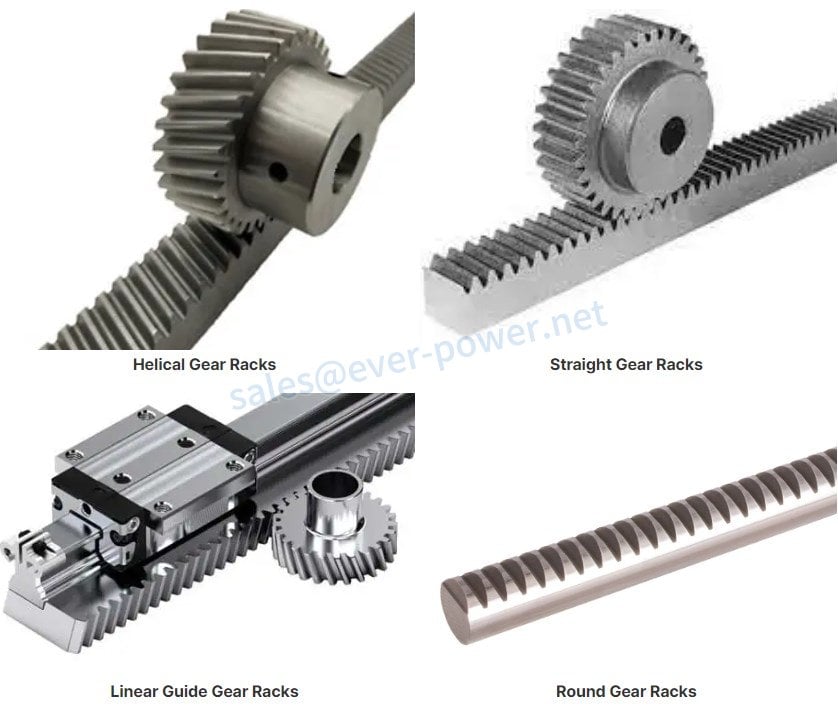
Gear racks come in various types based on their design and material. Common types include spur gear racks, helical gear racks, and straight-tooth gear racks. Each type has its unique characteristics and advantages.
Material-wise, gear racks can be made from steel, stainless steel, aluminum, and plastic. Each material offers different benefits:
- Steel: High strength and durability, suitable for heavy-duty applications.
- Stainless Steel: Corrosion resistance, ideal for harsh environments.
- Aluminum: Lightweight and good for applications where weight is a concern.
- Plastic: Cost-effective and noise-reducing, suitable for light-duty applications.

Applications of Gear Racks in Various Industries
Gear racks are used in a variety of industries due to their versatility and reliability. Here are some of the key applications:
- Aerospace Industry: Used in aircraft control systems and landing gear mechanisms for precise movement.
- Renewable Energy: Deployed in solar tracking systems and wind turbine mechanisms to enhance efficiency.
- Automotive Industry: Integral part of steering systems and transmission mechanisms.
- Industrial Machinery: Used in CNC machines and automated systems for accurate positioning.
- Medical Equipment: Utilized in surgical robots and imaging devices for precise control.
Future Trends and Opportunities in Gear Rack Products
The gear rack market is poised for significant growth, driven by technological advancements and increasing demand in various sectors. Here are some future trends and opportunities:
- Automation: Increased adoption of automation in manufacturing will drive the demand for high-precision gear racks.
- Customization: Growing need for customized gear racks to meet specific application requirements.
- Material Innovation: Development of new materials for enhanced performance and durability.
- Energy Efficiency: Focus on energy-efficient gear racks to reduce operational costs.
- Global Expansion: Expanding into emerging markets to tap into new growth opportunities.

Choosing the Right Gear Rack
Selecting the appropriate gear rack involves several considerations. Here are key factors to consider:
- Identify Requirements: Clearly define the application requirements, including load capacity, precision, and environmental conditions.
- Material Selection: Choose the appropriate material based on the application needs and operating conditions.
- Design Optimization: Optimize the gear rack design for maximum efficiency and performance.
- Supplier and After-sales Service: Choose a reputable supplier that offers reliable after-sales support.
- Cost-effectiveness: Evaluate the cost versus performance to ensure a good return on investment.
- Quality Control: Ensure the gear rack meets the required standards and specifications through rigorous quality control processes.
Maintaining Gear Racks
Proper maintenance is crucial for extending the lifespan and performance of gear racks. Here are some maintenance tips:
- Regular Inspections: Conduct periodic inspections to identify and address any wear or damage early.
- Cleaning and Corrosion Prevention: Keep the gear rack clean and apply anti-corrosion coatings if necessary.
- Lubrication: Regularly lubricate the gear rack to reduce friction and wear.
- Replacing Worn Parts: Replace any worn or damaged components to maintain optimal performance.
- Temperature Monitoring: Monitor the operational temperature to prevent overheating and potential damage.
Why Choose Ever Power
Ever Power is a leading manufacturer and supplier of high-quality gear racks. Here are some reasons to choose our products:
- Extensive Experience: With years of experience in the industry, we understand the nuances of gear rack design and manufacturing.
- Quality Assurance: We adhere to stringent quality control processes to ensure our gear racks meet the highest standards.
- Customization Options: We offer customized solutions to meet specific application requirements.
- Comprehensive Support: Our dedicated support team provides reliable after-sales service and technical assistance.
- Competitive Pricing: We offer high-quality gear racks at competitive prices, ensuring excellent value for money.

Q&A
- What are gear rack testing standards? Gear rack testing standards are guidelines and criteria used to test and validate the quality and performance of gear racks.
- Why are gear rack testing standards important? They ensure the gear racks can withstand operational stress and perform reliably over their intended lifespan.
- What types of materials are used for gear racks? Common materials include steel, stainless steel, aluminum, and plastic, each offering different benefits.
- How do you choose the right gear rack? Consider factors such as application requirements, material selection, design optimization, and supplier reliability.
- What are the maintenance tips for gear racks? Regular inspections, cleaning, lubrication, replacing worn parts, and temperature monitoring are essential for maintaining gear racks.
Author: Dream