gear rack in electric vehicles

Gear Rack in Electric Vehicles and Gear Rack Relationship
Introduction to Gear Rack in Electric Vehicles
Gear racks are an integral component in the realm of electric vehicles (EVs), playing a pivotal role in the conversion of rotational motion into linear motion. This fundamental mechanism underpins various operational aspects of EVs, including steering systems, window mechanisms, and seat adjustments. The gear rack, with its toothed design, interacts with pinions to deliver precise and reliable movement essential for the functionality and efficiency of electric vehicles.
How Gear Rack Works in Electric Vehicles
In electric vehicles, the gear rack primarily functions within the steering assembly. When the driver turns the steering wheel, the motion is transferred through the steering column to the pinion. This pinion, in turn, engages with the gear rack, translating the rotational input into linear motion, thereby adjusting the wheels’ angle and direction. This seamless interaction ensures a responsive and controlled driving experience, which is crucial for safety and maneuverability.
Informational Link Between Gear Rack and Electric Vehicles
The gear rack’s role in EVs extends beyond mere functionality; it also represents a key element in the optimization of electric vehicle design. The integration of high-precision gear racks can lead to reductions in weight, enhanced durability, and improved energy efficiency. By focusing on advancements in gear rack technology, manufacturers can drive significant improvements in vehicle performance and sustainability.

Performance Characteristics of Gear Rack
- Precision: Gear racks are designed to offer high precision in converting rotational motion to linear motion, which is critical for the accuracy of various vehicle functions.
- Durability: Made from robust materials, gear racks are built to withstand continuous operation and high loads without significant wear.
- Efficiency: Gear racks ensure efficient energy transfer with minimal friction losses, contributing to the overall energy efficiency of the vehicle.
- Smooth Operation: The interaction between the gear rack and pinion ensures smooth and consistent motion, which is essential for the comfort and reliability of the vehicle’s systems.
- Compact Design: Gear racks are designed to be compact, optimizing space within the vehicle while still delivering powerful performance.
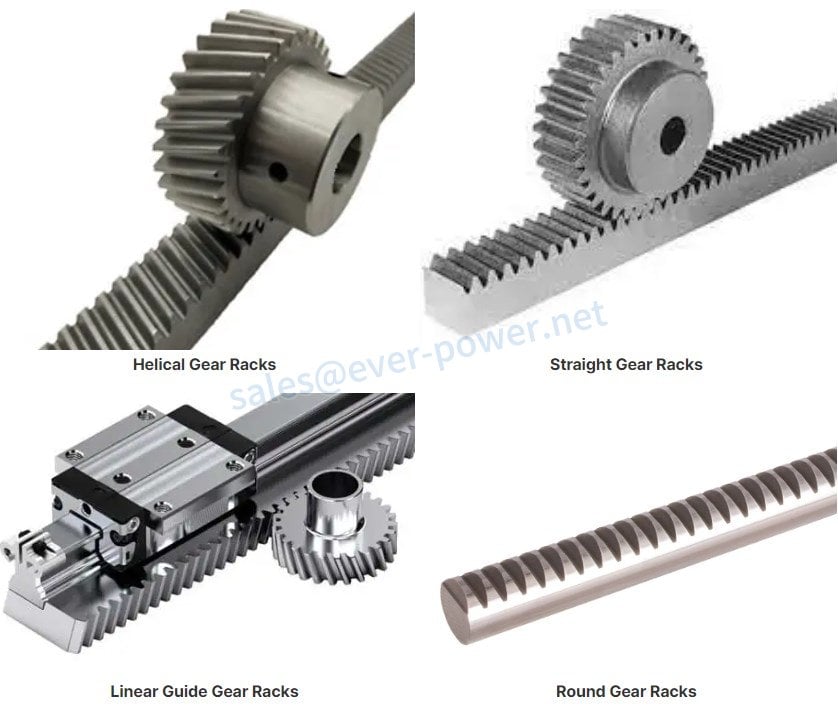
Types of Gear Racks and Their Characteristics
Gear racks come in various designs and materials, each offering unique advantages depending on the application. The main types include:
- Spur Gear Racks: Known for their straightforward design and ease of manufacturing, spur gear racks are commonly used in applications requiring parallel shafting.
- Helical Gear Racks: With angled teeth, helical gear racks provide smoother and quieter operation, making them suitable for high-speed applications.
- Curved Gear Racks: These are used in specialized applications where curved motion is required, such as in certain types of robotics and machinery.
Advantages of Different Materials for Gear Racks
Gear racks can be made from various materials, each offering distinct benefits:
- Steel Gear Racks: Known for their strength and durability, steel gear racks are ideal for demanding applications where high loads are involved.
- Aluminum Gear Racks: Lightweight and corrosion-resistant, aluminum gear racks are perfect for applications where weight savings are crucial.
- Nylon Gear Racks: Offering good wear resistance and electrical insulation properties, nylon gear racks are suitable for specialized industrial applications.

Applications of Gear Racks in Various Industries
Gear racks are used in a wide range of industries, showcasing their versatility and importance:
- Aerospace: Gear racks are employed in aircraft control systems, ensuring precise movement and control.
- Renewable Energy: In wind turbines and solar tracking systems, gear racks facilitate the efficient conversion of rotational to linear motion.
- Automotive: Beyond electric vehicles, gear racks are widely used in traditional automotive steering systems and seat mechanisms.
- Industrial Machinery: Gear racks play a crucial role in CNC machines, conveyor systems, and automated manufacturing equipment.
- Medical Devices: High-precision gear racks are essential for the accurate operation of medical imaging devices and surgical robots.
Future Development Trends and Opportunities for Gear Racks
The future of gear racks looks promising with several trends and opportunities emerging:
- Advanced Materials: The development of new materials will lead to lighter, stronger, and more durable gear racks.
- Automation and Robotics: As automation and robotics continue to grow, the demand for high-precision gear racks will rise.
- Energy Efficiency: Innovations aimed at reducing friction and improving energy transfer efficiency will enhance gear rack performance.
- Customization: Increased demand for customized gear rack solutions tailored to specific applications will drive industry growth.
- Integration with Smart Technologies: The integration of smart sensors and IoT technology with gear racks will enable predictive maintenance and enhanced operational efficiency.

How to Choose the Right Gear Rack
Choosing the correct gear rack involves several considerations:
- Identify Requirements: Determine the specific needs of your application, including load capacity, precision, and operating environment.
- Material Selection: Choose the appropriate material based on the application’s requirements, considering factors such as strength, weight, and corrosion resistance.
- Design Optimization: Ensure the gear rack design is optimized for efficiency and performance, including tooth profile and alignment.
- Supplier and After-Sales Service: Select a reputable supplier that offers comprehensive after-sales support and services.
- Cost-Effectiveness: Balance cost with quality and performance to select the most cost-effective solution.
- Quality Control: Ensure the gear rack meets stringent quality standards and specifications to guarantee reliability and longevity.
Maintaining Gear Racks
Proper maintenance of gear racks is essential for their longevity and performance:
- Regular Inspections: Conduct periodic inspections to identify signs of wear or damage.
- Cleaning and Anti-Corrosion: Keep gear racks clean and apply anti-corrosion treatments to prevent rust and degradation.
- Lubrication and Care: Use appropriate lubricants to minimize friction and wear.
- Replacement of Worn Parts: Replace worn or damaged components promptly to avoid further damage.
- Temperature Monitoring: Monitor operating temperatures to prevent overheating and thermal stress.
Why Choose Ever Power
Ever Power is a leading manufacturer and supplier of high-quality gear racks, and here’s why you should choose us:
- Innovative Design: Our gear racks are designed using the latest technology to ensure superior performance and precision.
- Quality Assurance: We adhere to stringent quality control measures to ensure our products meet the highest standards.
- Comprehensive Support: We offer extensive after-sales support, including maintenance and troubleshooting services.
- Customization Options: We provide tailored solutions to meet the specific needs of our clients.
- Competitive Pricing: Our products are competitively priced without compromising on quality, ensuring excellent value for money.

Q&A
- What are gear racks used for in electric vehicles?
Gear racks in electric vehicles are primarily used in the steering systems to convert rotational motion into linear motion, ensuring precise control over the vehicle’s direction. - What materials are commonly used for gear racks?
Common materials for gear racks include steel, aluminum, and nylon, each offering specific benefits such as strength, corrosion resistance, and lightweight properties. - How do helical gear racks differ from spur gear racks?
Helical gear racks have angled teeth, providing smoother and quieter operation compared to spur gear racks, which have straight teeth. - What industries benefit from the use of gear racks?
Industries such as aerospace, renewable energy, automotive, industrial machinery, and medical devices benefit from the precise and reliable motion control provided by gear racks. - What should be considered when selecting a gear rack?
When selecting a gear rack, consider factors such as load capacity, material suitability, design optimization, supplier reliability, cost-effectiveness, and quality control.
Author: Dream