transmission gear types

Transmission Gear Types and Transmission Gear Relationship
Introduction to Transmission Gear Types
Transmission gears are fundamental components in mechanical systems, transferring power and motion between machine parts. Understanding the different types of transmission gears is essential for selecting the right gear for specific applications. This article delves into the various types of transmission gears, their functionalities, and their relationships with transmission gears.
Spur Gears
Spur gears are the most common type of gears, characterized by straight teeth aligned parallel to the gear’s axis. They are known for their high efficiency and simplicity in design, making them ideal for low-speed applications where noise is not a primary concern.
Helical Gears
Helical gears have teeth that are cut at an angle to the gear’s axis, forming a helix. This design allows for smoother and quieter operation compared to spur gears. Helical gears are suitable for high-speed applications due to their ability to handle more load and reduce noise and vibrations.
Bevel Gears
Bevel gears are designed to transmit power between intersecting shafts, typically at a 90-degree angle. They come in different types such as straight bevel, spiral bevel, and hypoid gears. Bevel gears are vital in applications requiring directional change in power transmission.
Worm Gears
Worm gears consist of a worm (a gear resembling a screw) and a worm wheel (a spur gear). They are used for substantial speed reduction and torque increase. Worm gears provide high precision and smooth operation, but they are less efficient due to sliding contact between the gears.
Planetary Gears
Planetary gears consist of a central sun gear, planet gears, and an outer ring gear. This configuration allows for high torque density and compact design, making planetary gears crucial in applications requiring high power within limited space.
Rack and Pinion Gears
Rack and pinion gears convert rotational motion into linear motion. The system consists of a circular gear (pinion) engaging with a linear gear (rack). This type of gear is often used in steering systems of vehicles and various industrial machinery.
Hypoid Gears
Hypoid gears are similar to spiral bevel gears but with axes that do not intersect. These gears are used in applications requiring high speed and torque, such as in automotive differentials, providing smooth and efficient power transmission.
Transmission Gear Types and Transmission Gear Relationship
Transmission gears are integral components in power transmission systems. Each type of transmission gear plays a specific role in ensuring efficient power transfer and motion control. Understanding the relationships between different gear types and their applications helps in selecting the right gear for optimal performance.

Transmission Gear Performance Characteristics
- High Efficiency: Optimized gear designs ensure minimal energy loss during power transmission.
- Durability: Made from high-quality materials to withstand wear and tear.
- Noise Reduction: Designs that minimize noise and vibrations during operation.
- Load Capacity: Capable of handling significant loads without compromising performance.
- Precision: High accuracy in gear teeth alignment and movement control.
Types of Transmission Gears and Their Properties
Transmission gears come in various types, each with unique properties suited for different applications. Here are some common types:
- Metal Gears: Known for their strength and durability, suitable for heavy-duty applications.
- Plastic Gears: Lightweight and corrosion-resistant, ideal for lighter loads and quieter operations.
- Composite Gears: Combine the benefits of metal and plastic, offering a balance between strength and weight.

Applications of Transmission Gears in Various Industries
Automotive Manufacturing
Transmission gears are crucial in automotive systems, ensuring smooth and efficient power transfer from the engine to the wheels.
Aerospace Industry
In aerospace, transmission gears are used in various systems such as landing gear mechanisms and flight control systems, requiring high precision and reliability.
Shipbuilding
Transmission gears in shipbuilding are used in propulsion systems and other critical machinery, providing robust and efficient power transmission.
Energy Sector
Transmission gears are essential in wind turbines and other energy-generating equipment, converting kinetic energy into electrical energy efficiently.
Railway Transportation
In the railway sector, transmission gears are vital for power transmission in locomotives, ensuring reliable and smooth operation.
Future Trends and Opportunities in Transmission Gear Products
The future of transmission gear products is shaped by advancements in materials, manufacturing technologies, and demand for more efficient and reliable systems. Key trends include:
- Advancements in Material Science: Development of stronger and lighter materials to improve gear performance and efficiency.
- Innovative Manufacturing Techniques: Adoption of 3D printing and other advanced manufacturing processes for precision and customization.
- Integration with Digital Technologies: Use of IoT and AI for real-time monitoring and predictive maintenance of transmission gears.
- Focus on Sustainability: Development of eco-friendly gears and lubricants to reduce environmental impact.
- Expansion into New Markets: Growing demand for high-performance gears in emerging industries such as electric vehicles and renewable energy.

How to Choose the Right Transmission Gear
Selecting the right transmission gear involves several considerations:
- Identify Requirements: Determine the specific needs of your application, including load capacity, speed, and environmental conditions.
- Material Selection: Choose the appropriate material based on strength, weight, and corrosion resistance requirements.
- Design Optimization: Ensure the gear design is optimized for efficient power transmission and minimal wear.
- Supplier and After-Sales Service: Choose a reputable supplier that offers reliable after-sales support and services.
- Cost-Effectiveness: Balance the cost with the performance and durability requirements of the gear.
- Quality Control: Ensure the gears meet stringent quality standards and certifications.

Maintenance of Transmission Gears
Proper maintenance of transmission gears is essential for longevity and optimal performance:
- Regular Inspections: Conduct periodic checks to identify and address any wear or damage early.
- Cleaning and Corrosion Prevention: Keep gears clean and apply anti-corrosion coatings if necessary.
- Lubrication and Upkeep: Use the appropriate lubricants to reduce friction and wear.
- Replacement of Worn Parts: Timely replace any worn or damaged components to prevent system failures.
- Improvements and Upgrades: Implement necessary upgrades to enhance gear performance and efficiency.
Why Choose Ever Power
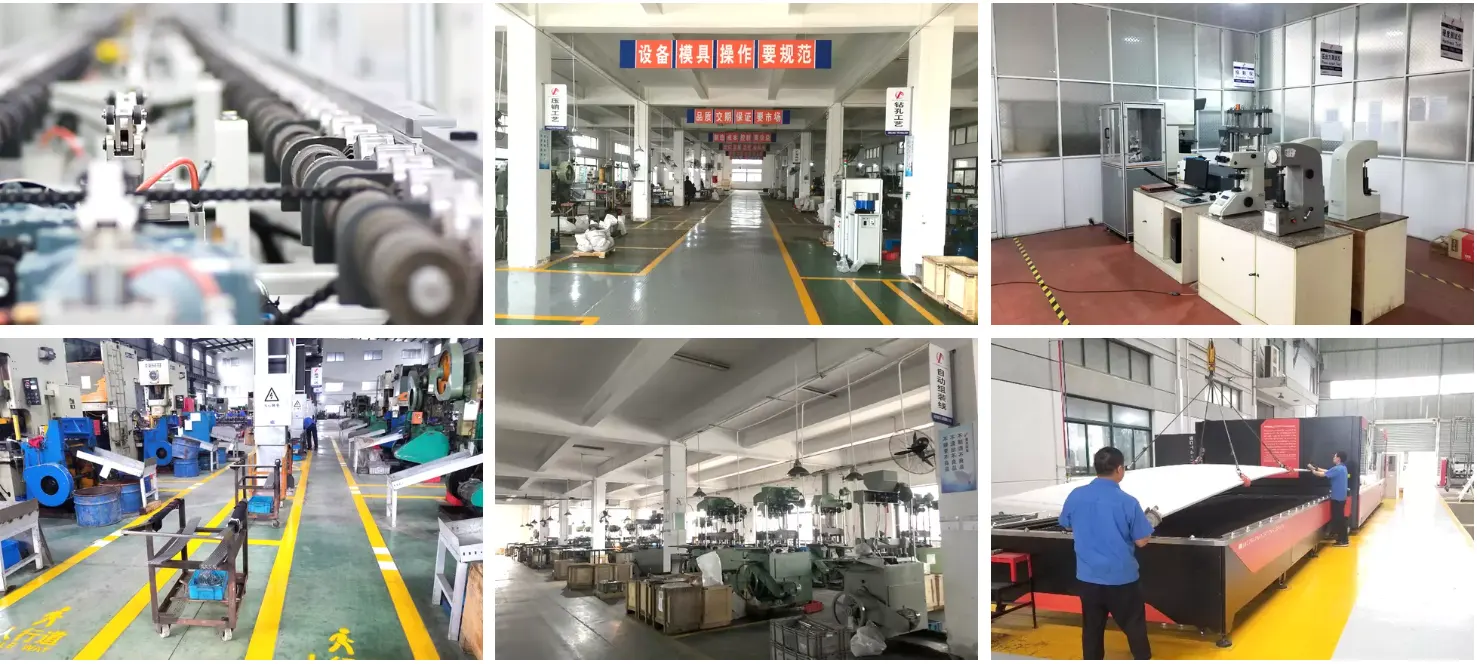
Ever Power is a leading company specializing in the production and sale of high-quality transmission gears. Here are five reasons to choose our products:
- Expertise and Experience: With years of experience in the industry, we offer unparalleled expertise in transmission gear manufacturing.
- Quality Assurance: Our products undergo rigorous quality control to ensure they meet the highest standards.
- Customization: We offer tailored solutions to meet the specific needs of our clients, ensuring optimal performance.
- Innovative Technology: We leverage the latest technologies and manufacturing processes to deliver cutting-edge products.
- Comprehensive Support: We provide excellent after-sales support and services, ensuring customer satisfaction.
Q&A
Q: What are the main types of transmission gears?
A: The main types include spur gears, helical gears, bevel gears, worm gears, and planetary gears.
Q: How do I choose the right material for a transmission gear?
A: Consider factors such as load capacity, weight, corrosion resistance, and the specific requirements of your application.
Q: What industries use transmission gears?
A: Industries such as automotive, aerospace, shipbuilding, energy, and railway transportation extensively use transmission gears.
Q: What are the future trends in transmission gear products?
A: Future trends include advancements in material science, innovative manufacturing techniques, integration with digital technologies, focus on sustainability, and expansion into new markets.
Q: How often should transmission gears be inspected for maintenance?
A: Transmission gears should be inspected regularly based on usage and operational conditions to identify and address wear or damage early.
Author: Dream