transmission gear fluid change

Transmission Gear Fluid Change and Transmission Gear
Introduction to Transmission Gear Fluid Change
Transmission gear fluid change is a crucial maintenance task that ensures the optimal performance and longevity of your vehicle’s transmission system. This process involves draining the old transmission fluid and replacing it with fresh fluid, which helps to lubricate the gears, reduce friction, and prevent overheating. Regular fluid changes can prevent costly repairs and extend the life of your transmission components.
The Importance of Transmission Gear Fluid Changes
Over time, transmission fluid can become contaminated with debris and lose its effectiveness. This can lead to increased wear and tear on the transmission gears, causing them to malfunction or fail prematurely. Regular transmission fluid changes help to remove these contaminants and maintain the fluid’s protective properties, ensuring smooth and efficient gear operation.
How Often Should You Change Transmission Fluid?
The frequency of transmission fluid changes depends on several factors, including the type of vehicle, driving conditions, and manufacturer recommendations. Typically, it is advised to change the transmission fluid every 30,000 to 60,000 miles. However, it’s always best to consult your vehicle’s owner’s manual or a professional mechanic for specific guidelines.
Steps to Perform a Transmission Gear Fluid Change
Performing a transmission gear fluid change involves several steps:
- Warm up the engine to ensure the fluid flows more easily.
- Lift the vehicle and place it on jack stands for safety.
- Locate the transmission fluid drain plug and remove it to drain the old fluid.
- Replace the drain plug and remove the transmission fluid pan to access the filter.
- Replace the old filter with a new one, and clean the pan before reinstalling it.
- Refill the transmission with the appropriate type and amount of new fluid.
- Start the engine and check the fluid level, adding more if necessary.
Common Mistakes to Avoid
When changing transmission fluid, it’s important to avoid common mistakes such as using the wrong type of fluid, overfilling or underfilling the transmission, and not replacing the filter. These errors can lead to poor transmission performance and potential damage.
Tools and Materials Needed
To successfully change your transmission fluid, you will need the following tools and materials:
- Jack and jack stands
- Drain pan
- Transmission fluid
- New transmission filter
- Ratchet and socket set
- Funnel
- Gloves and safety glasses
Signs It’s Time to Change Your Transmission Fluid
There are several indicators that it might be time to change your transmission fluid, including:
- Difficulty shifting gears
- Strange noises from the transmission
- Burnt or discolored fluid
- Slipping gears
- Unusual vibrations
Benefits of Regular Transmission Fluid Changes
Regular transmission fluid changes offer several benefits:
- Enhanced gear lubrication
- Improved transmission performance
- Extended lifespan of transmission components
- Reduced risk of transmission overheating
- Prevention of costly repairs
Transmission Gear Fluid Change and Transmission Gear Relationship

Transmission gear fluid change is intrinsically linked to the health and functionality of the transmission gear. The fluid acts as a lubricant, reducing friction between the gears and allowing them to operate smoothly. Without regular fluid changes, the gears can become worn and damaged, leading to decreased transmission efficiency and potential failure. Proper maintenance of the transmission fluid ensures that the gears remain in good condition, which is essential for the overall performance and reliability of the vehicle’s transmission system.
Transmission Gear Performance Characteristics
Transmission gears possess several performance characteristics that are crucial for their operation:
- Durability: Transmission gears are designed to withstand high levels of stress and wear, ensuring long-lasting performance.
- Precision: High precision in gear manufacturing ensures smooth and accurate gear operation, reducing noise and vibration.
- Efficiency: Efficient gear design minimizes energy loss and maximizes power transfer between components.
- Heat Resistance: Transmission gears are often made from materials that can withstand high temperatures, preventing thermal degradation.
- Load Capacity: Gears are engineered to handle significant loads, providing reliable performance under various conditions.
Types of Transmission Gears and Their Characteristics

Transmission gears come in various types, each with unique characteristics:
- Spur Gears: These gears have straight teeth and are known for their simplicity and efficiency in transmitting power.
- Helical Gears: Helical gears have angled teeth, providing smoother and quieter operation compared to spur gears.
- Bevel Gears: Bevel gears have conically shaped teeth, enabling them to transmit power between intersecting shafts.
- Worm Gears: Worm gears consist of a screw-like worm meshing with a gear, offering high torque transmission and compact design.
- Planetary Gears: These gears feature a central sun gear, planet gears, and an outer ring gear, providing high torque density and efficiency.
Different materials used in the manufacturing of transmission gears include:
- Steel: Offers high strength and durability, ideal for heavy-duty applications.
- Aluminum: Lightweight and corrosion-resistant, suitable for applications requiring reduced weight.
- Plastic: Provides noise reduction and cost-effectiveness for light-duty applications.
Applications of Transmission Gears in Various Fields
Transmission gears play a vital role in various industries:
- Automotive Manufacturing: Gears are essential for the smooth operation of vehicle transmissions, ensuring efficient power transfer and performance.
- Aerospace: Precision gears are used in aircraft systems for reliable performance under extreme conditions.
- Marine Manufacturing: Gears are critical for the propulsion systems of ships and boats, providing reliable and efficient power transmission.
- Energy Sector: Gears are used in wind turbines and other energy generation equipment, ensuring efficient power conversion and transmission.
- Rail Transportation: Gears are integral to the operation of locomotives and rail systems, providing reliable power transmission and control.
Future Trends and Opportunities in Transmission Gear Products

The future of transmission gear products is shaped by several trends and opportunities:
- Advancements in Materials: Development of new materials with enhanced properties such as higher strength, lighter weight, and better heat resistance.
- Precision Manufacturing: Use of advanced manufacturing techniques like 3D printing and CNC machining to produce high-precision gears.
- Smart Gears: Integration of sensors and IoT technology for real-time monitoring and predictive maintenance.
- Environmental Sustainability: Focus on eco-friendly materials and processes to reduce the environmental impact of gear production.
- Customization: Increased demand for customized gears tailored to specific applications and performance requirements.
How to Choose the Right Transmission Gear

Selecting the right transmission gear involves several considerations:
- Identify Your Needs: Determine the specific requirements of your application, such as load capacity, speed, and operating environment.
- Material Selection: Choose the appropriate material based on factors like strength, weight, and corrosion resistance.
- Design Optimization: Ensure the gear design is optimized for performance, efficiency, and durability.
- Supplier and After-Sales Support: Select a reliable supplier that offers quality products and comprehensive after-sales support.
- Cost-Effectiveness: Balance the gear’s performance and quality with its cost to find the most cost-effective solution.
- Quality Control: Ensure the gear meets industry standards and undergoes rigorous quality control testing.
Maintenance of Transmission Gears
Proper maintenance of transmission gears is essential for their longevity and performance:
- Regular Inspections: Conduct regular inspections to identify and address potential issues early.
- Cleaning and Corrosion Prevention: Keep gears clean and apply protective coatings to prevent corrosion.
- Lubrication: Regularly lubricate gears to reduce friction and wear.
- Replacement of Worn Parts: Replace worn or damaged gears promptly to prevent further damage.
- Upgrades and Improvements: Consider upgrading to newer, more efficient gear designs and materials.
Why Choose Ever Power
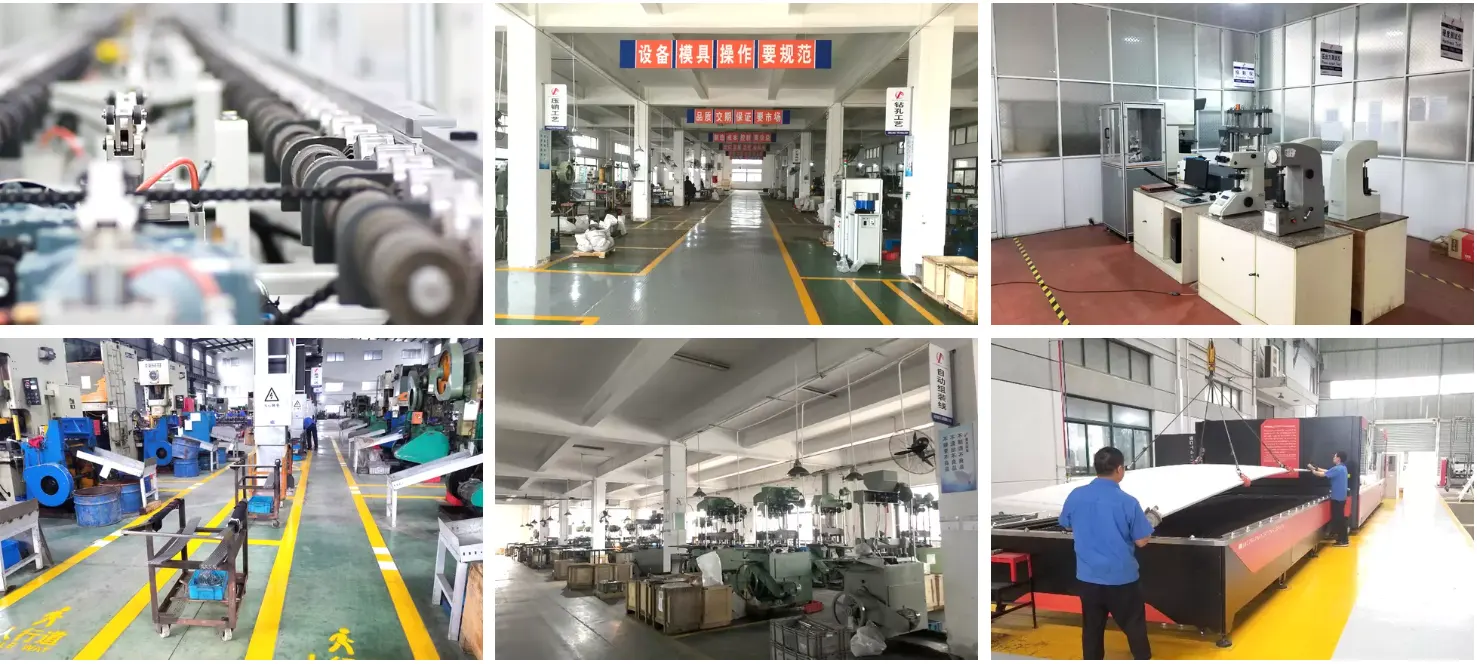
Ever Power is a leading manufacturer and supplier of high-quality transmission gears. Here are some reasons to choose our products:
- Expertise: With years of experience in the industry, we have the expertise to deliver top-quality transmission gears for various applications.
- Advanced Technology: We utilize state-of-the-art manufacturing technology to produce precision gears with superior performance.
- Customization: We offer customized gear solutions tailored to meet the specific needs of our clients.
- Quality Assurance: Our products undergo rigorous quality control testing to ensure they meet the highest standards.
- Customer Support: We provide exceptional customer support, from product selection to after-sales service, ensuring a seamless experience for our clients.
Frequently Asked Questions
Q1: How often should I change my transmission gear fluid?
A1: It is typically recommended to change your transmission fluid every 30,000 to 60,000 miles, but always consult your vehicle’s owner’s manual for specific guidelines.
Q2: What are the signs that my transmission fluid needs to be changed?
A2: Signs include difficulty shifting gears, strange noises, burnt or discolored fluid, slipping gears, and unusual vibrations.
Q3: What tools do I need to change transmission gear fluid?
A3: You will need a jack and jack stands, drain pan, transmission fluid, new transmission filter, ratchet and socket set, funnel, gloves, and safety glasses.
Q4: Can I change my transmission fluid myself?
A4: Yes, with the right tools and knowledge, you can change your transmission fluid yourself, but if you are unsure, it’s best to consult a professional mechanic.
Q5: Why should I choose Ever Power for my transmission gear needs?
A5: Ever Power offers expertise, advanced technology, customization, quality assurance, and exceptional customer support, making us the ideal choice for high-quality transmission gears.
Author: Dream