pinion gear installation guide

Pinion Gear Installation Guide
Introduction to Pinion Gear Installation
Installing a pinion gear requires precision and technical knowledge. Whether you are working on a vehicle, industrial machinery, or any other mechanical equipment, understanding the exact steps for installing a pinion gear can save time and prevent potential issues. This guide will cover every aspect you need to know for a successful pinion gear installation.
Necessary Tools and Equipment
Before starting the installation, ensure you have all the necessary tools and equipment. These typically include wrenches, torque wrenches, screwdrivers, lubricants, cleaning agents, and measuring tools. Having the right equipment ensures a smooth and efficient installation process.
Preparation and Safety Measures
Preparation is key to a successful pinion gear installation. Clean the working area, ensure the equipment is in good condition, and wear appropriate safety gear such as gloves and eye protection. Following safety protocols minimizes the risk of accidents and ensures a safer workspace.
Step-by-Step Installation Process
The installation process involves several steps, starting with the removal of old or damaged gears, cleaning the gear housing, installing the new pinion gear, and securing it properly. Each step must be performed meticulously to ensure optimal performance and longevity of the gear.
Aligning the Pinion Gear
Proper alignment of the pinion gear is crucial to its function. Misalignment can cause excessive wear and tear, leading to premature failure. Use alignment tools and follow the manufacturer’s guidelines to achieve precise alignment.
Lubrication Techniques and Recommendations
Lubrication reduces friction and wear, ensuring smooth operation. Choose the right lubricant based on the gear material and operating conditions. Apply the lubricant evenly and check for any leaks or misapplications.
Tightening and Torque Specifications
Adhering to the correct torque specifications is essential for the proper functioning of the pinion gear. Over-tightening can damage the gear, while under-tightening may cause it to loosen. Use a torque wrench and follow the recommended specifications to secure the gear.
Verification and Testing
After installation, verify that the gear operates correctly by performing a series of tests. Check for smooth rotation, absence of unusual noises, and proper engagement with other gears. Any issues detected during testing should be addressed immediately.
Common Installation Mistakes to Avoid
Avoiding common mistakes can save time and prevent damage. These include improper alignment, insufficient lubrication, incorrect torque application, and neglecting safety measures. Understanding these pitfalls helps in achieving a successful installation.
Pinion Gear Installation Guide and Pinion Gear Relationship
The installation guide provides detailed instructions to ensure the pinion gear is correctly installed, enhancing its performance and lifespan. A well-installed pinion gear operates efficiently, reducing wear and maintenance needs, and contributing to the overall reliability of the machinery.

Pinion Gear Performance Characteristics
Pinion gears are known for their high efficiency, precision, and ability to transmit torque effectively. Here are some key characteristics:
- High Torque Transmission: Pinion gears can transmit significant torque, making them ideal for heavy-duty applications.
- Precision Engineering: These gears are designed with high precision to ensure smooth and accurate operation.
- Durability: Made from robust materials, pinion gears offer excellent durability and wear resistance.
- Versatility: Pinion gears are versatile and can be used in various applications, from automotive to industrial machinery.
- Efficiency: Their design ensures efficient power transmission with minimal energy loss.
Types of Pinion Gears and Their Characteristics
Pinion gears come in various types, each with unique characteristics:
- Straight Pinion Gears: Known for simplicity and ease of manufacture, these gears are commonly used in low-speed applications.
- Helical Pinion Gears: With angled teeth, these gears offer smoother operation and can handle higher loads.
- Bevel Pinion Gears: Used in applications requiring right-angle gear drives, bevel gears are ideal for precision applications.
- Spur Pinion Gears: Featuring straight teeth parallel to the gear axis, these gears are efficient at transferring motion and torque.
Different materials used in pinion gears include steel, aluminum, and plastic, each offering distinct advantages. Steel gears provide high strength and durability, aluminum gears are lightweight and corrosion-resistant, while plastic gears offer quiet operation and are suitable for light-duty applications.

Applications of Pinion Gears in Various Fields
Pinion gears are crucial components in many industries:
- Automotive Manufacturing: Used in steering systems, transmissions, and differential assemblies to ensure optimal vehicle performance.
- Aerospace Industry: Critical for flight control systems, landing gear mechanisms, and satellite operations due to their precision and reliability.
- Marine Engineering: Integral to propulsion systems and steering mechanisms, ensuring smooth and efficient vessel operation.
- Energy Sector: Utilized in wind turbines, hydroelectric plants, and fossil fuel extraction equipment for efficient power transmission.
- Industrial Machinery: Essential for automation and robotics, enabling precise movement and control in manufacturing processes.

Future Trends and Opportunities for Pinion Gears
The future of pinion gears looks promising with advancements in material science, manufacturing techniques, and technology integration. Key trends include:
- Advanced Materials: Development of stronger, lighter, and more durable materials to enhance gear performance.
- Precision Manufacturing: Enhanced manufacturing techniques such as 3D printing and CNC machining for higher precision and efficiency.
- Integration with IoT: Smart gears equipped with sensors for real-time monitoring and predictive maintenance.
- Sustainability Practices: Adoption of environmentally friendly materials and processes to reduce carbon footprint.
- Customization and Flexibility: Increased demand for customized solutions tailored to specific applications and requirements.
How to Choose the Right Pinion Gear
Choosing the right pinion gear involves several considerations:
- Define Your Needs: Understand the specific requirements of your application, including load capacity, speed, and environmental conditions.
- Material Selection: Choose the appropriate material based on strength, weight, and resistance to wear and corrosion.
- Design Optimization: Optimize the gear design for better performance, efficiency, and reliability.
- Supplier and After-Sales Service: Select a reputable supplier offering robust after-sales support and services.
- Cost-Effectiveness: Balance quality and cost to ensure you get the best value for your investment.
- Quality Control: Ensure the gears meet stringent quality standards and certifications for reliability and safety.

Maintenance Tips for Pinion Gears
Proper maintenance extends the lifespan and performance of pinion gears. Key maintenance practices include:
- Regular Inspections: Conduct periodic checks to identify and address wear, damage, or misalignment issues.
- Cleaning and Corrosion Protection: Keep the gears clean and apply anti-corrosion treatments to prevent rust and degradation.
- Lubrication and Care: Regularly lubricate the gears to minimize friction and wear, ensuring smooth operation.
- Replacement of Worn Parts: Timely replace any worn or damaged components to maintain optimal performance.
- Upgrades and Improvements: Consider upgrading to advanced gear designs or materials to enhance efficiency and durability.
Why Choose Ever Power
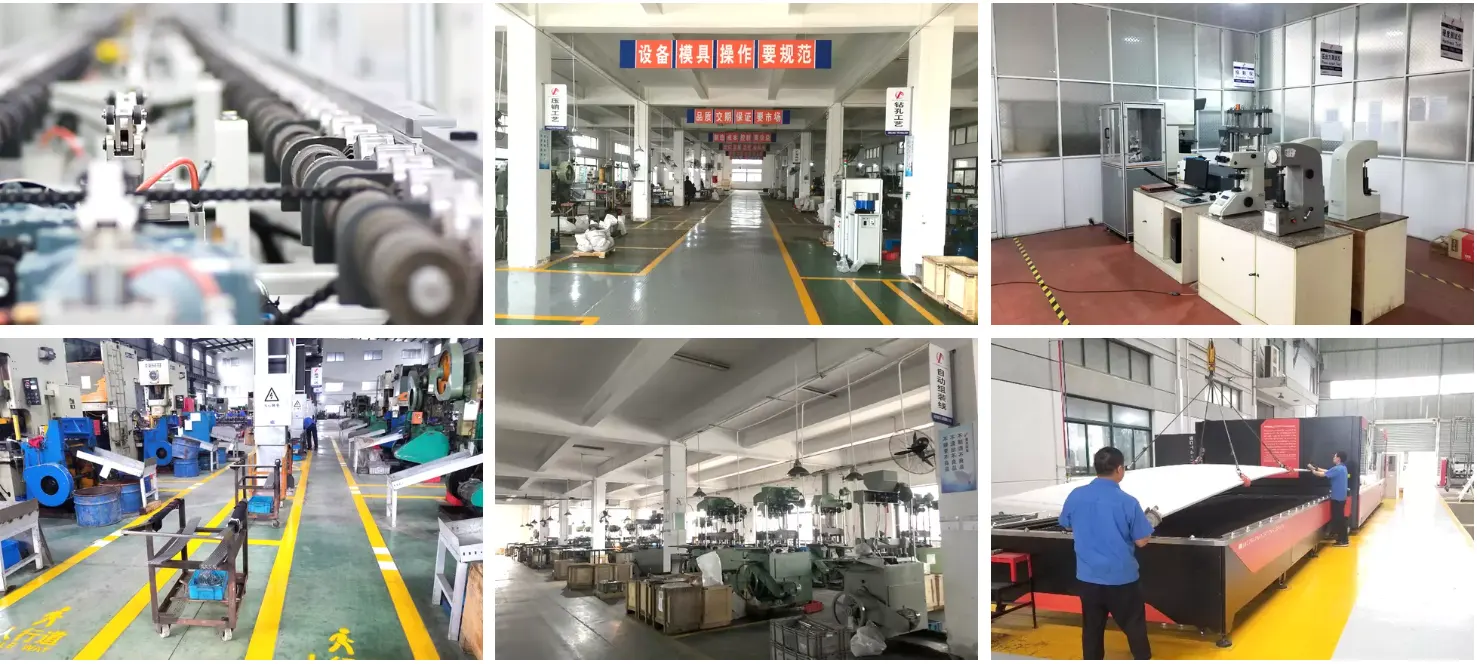
Ever Power is a leading manufacturer and supplier of high-quality pinion gears. We offer a wide range of products and services to meet the diverse needs of our customers. Here are some reasons to choose us:
- Extensive Product Range: We offer a comprehensive selection of pinion gears in various sizes, materials, and configurations to suit different applications.
- Custom Solutions: Our team of experts can design and manufacture custom gears tailored to your specific requirements.
- Quality Assurance: We adhere to stringent quality control measures to ensure our products meet the highest standards of performance and reliability.
- Technical Support: We provide exceptional technical support and after-sales service to help you with installation, maintenance, and troubleshooting.
- Competitive Pricing: Our products are competitively priced to offer excellent value without compromising on quality.
FAQs
- Q: What are the common materials used for pinion gears?
A: Common materials include steel, aluminum, and plastic, each offering distinct benefits depending on the application. - Q: How often should pinion gears be lubricated?
A: Lubrication frequency depends on operating conditions but typically should be done regularly as per the manufacturer’s recommendations. - Q: Can pinion gears be customized?
A: Yes, pinion gears can be customized according to specific requirements, including size, material, and design. - Q: What are the signs of a worn-out pinion gear?
A: Signs include abnormal noise, vibration, and visible wear on the gear teeth. - Q: How do I ensure proper alignment of pinion gears?
A: Use alignment tools and follow the manufacturer’s guidelines to achieve precise alignment during installation.
Author: Dream