pinion gear maintenance guide

Pinion Gear Maintenance Guide: Ensuring Longevity and Performance
Introduction to Pinion Gear Maintenance
Maintaining pinion gears is crucial for the optimal performance of machinery. Pinion gears, essential components in many mechanical systems, require regular maintenance to prevent wear and ensure efficiency. This guide will provide detailed instructions on how to maintain pinion gears effectively, ensuring their longevity and performance.
Understanding Pinion Gears
Pinion gears are small gears that engage with larger gears, transmitting torque in various mechanical systems. They are integral to the functioning of systems such as automotive transmissions, industrial machinery, and more. Proper maintenance is essential to prevent failure and costly repairs.
Importance of Regular Maintenance
Regular maintenance of pinion gears helps in identifying potential issues before they cause significant damage. This involves routine inspections, lubrication, and timely replacement of worn parts. Consistent maintenance ensures smooth operation and extends the lifespan of the gears.
Inspecting Pinion Gears
Inspection involves checking for signs of wear, misalignment, and lubrication levels. Visual inspections can reveal cracks, chips, or unusual wear patterns. Using precision tools ensures accurate measurements and helps in diagnosing issues early.
Lubrication Techniques
Proper lubrication is vital to reduce friction and wear. Using the right lubricant and applying it correctly prevents overheating and extends the gear’s lifespan. Different applications may require specific lubricants, so it’s essential to follow manufacturer recommendations.
Cleaning and Corrosion Prevention
Regular cleaning removes debris and contaminants that can cause wear. Corrosion prevention methods, such as applying protective coatings, ensure the gears remain in optimal condition, especially in harsh environments.
Replacing Worn Parts
Worn parts should be replaced promptly to prevent further damage. Identifying and replacing components such as bearings, seals, and gears themselves ensures the system continues to operate efficiently.
Upgrading and Improving
Upgrading to higher quality materials or designs can improve performance and longevity. Regular assessments can identify opportunities for improvements, ensuring the system remains at peak efficiency.
Choosing the Right Pinion Gear
Selecting the correct pinion gear involves understanding the specific requirements of the application. Factors such as load, speed, and environmental conditions play a role in determining the best gear for the job.
Pinion Gear Maintenance Guide and Pinion Gear Relationship
The pinion gear maintenance guide provides comprehensive information on the relationship between maintenance practices and the operational efficiency of pinion gears. Ensuring regular maintenance can significantly enhance the performance and durability of pinion gears in various applications.

Pinion Gear Performance Characteristics
Pinion gears have several performance characteristics that make them essential in mechanical systems:
- High Precision: Pinion gears are designed for precise motion control, ensuring accuracy in mechanical movements.
- Durability: Made from robust materials, these gears can withstand significant stress and wear.
- Efficiency: They provide efficient transmission of power, reducing energy loss during operation.
- Versatility: Pinion gears are used in a wide range of applications, from automotive to industrial systems.
- Cost-Effective: Despite their complex design, pinion gears are cost-effective solutions for many mechanical needs.
Types of Pinion Gears and Their Features
Pinion gears come in various types, each with unique characteristics:
- Spur Gears: Simple design, efficient for low-speed applications.
- Helical Gears: Angled teeth provide smooth and quiet operation, suitable for high-speed applications.
- Bevel Gears: Conical shape allows for changing the direction of the shaft’s rotation.
- Worm Gears: Provide high torque reduction and are used in compact spaces.
- Rack and Pinion: Converts rotational motion into linear motion, commonly used in steering systems.
Pinion gears can be made from various materials, each offering distinct advantages:
- Steel: High strength and durability, ideal for heavy-duty applications.
- Aluminum: Lightweight, suitable for applications where weight reduction is crucial.
- Plastic: Corrosion-resistant and suitable for low-load applications.

Applications of Pinion Gears in Various Fields
Pinion gears are used across various industries due to their versatility and reliability:
- Automotive Manufacturing: Essential in transmission systems to ensure smooth gear shifts and efficient power delivery.
- Aerospace: Used in control systems for precise movement and positioning of aircraft components.
- Marine Engineering: Critical in propulsion systems, ensuring efficient power transfer in ships and submarines.
- Energy Sector: Utilized in wind turbines and other energy conversion systems for efficient power generation.
- Industrial Machinery: Integral in heavy machinery for material handling and processing operations.
Future Trends and Opportunities for Pinion Gear Products
The future of pinion gears involves several exciting trends and opportunities:
- Advanced Materials: Development of new materials that offer higher strength and better performance.
- Precision Manufacturing: Enhanced manufacturing techniques for greater accuracy and consistency in gear production.
- Automation and AI: Integration with AI and automation for improved maintenance and operational efficiency.
- Sustainability: Focus on eco-friendly materials and processes to reduce environmental impact.
- Customization: Increased demand for customized gears tailored to specific applications and performance requirements.

How to Choose the Right Pinion Gear
Choosing the right pinion gear involves several critical steps:
- Identify Requirements: Understand the specific needs of your application, including load, speed, and environmental conditions.
- Material Selection: Choose the appropriate material based on durability, weight, and cost considerations.
- Design Optimization: Optimize the gear design for efficiency and performance, considering factors like tooth profile and gear ratio.
- Supplier and After-Sales Service: Select a reputable supplier offering comprehensive after-sales support.
- Cost Analysis: Balance the cost with the benefits to ensure you get the best value for your investment.
- Quality Control: Implement rigorous quality control measures to ensure the reliability and performance of the gears.

Maintaining Pinion Gears for Optimal Performance
Effective maintenance of pinion gears involves several key practices:
- Regular Inspections: Schedule periodic inspections to identify and address potential issues early.
- Cleaning and Corrosion Protection: Keep the gears clean and apply protective coatings to prevent corrosion.
- Lubrication: Use the appropriate lubricants and apply them regularly to reduce friction and wear.
- Replace Worn Parts: Timely replacement of worn components is essential to maintain system efficiency.
- Upgrades and Improvements: Consider upgrading to higher quality materials or designs for enhanced performance.
Why Choose Ever Power for Pinion Gears?
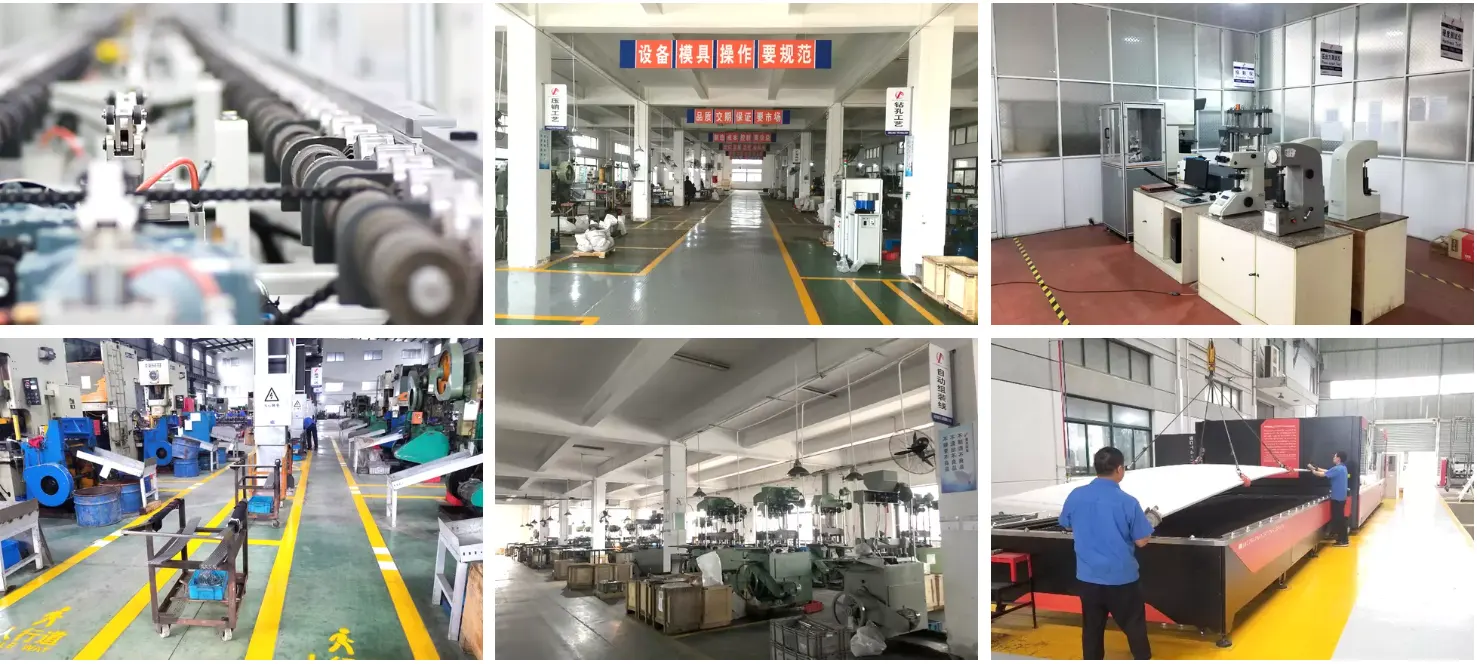
At Ever Power, we specialize in the production and sales of high-quality pinion gears. Here’s why you should choose us for your gear needs:
- Expertise: We have extensive experience in gear manufacturing, ensuring top-notch quality and performance.
- Advanced Technology: Our state-of-the-art manufacturing facilities guarantee precision and reliability.
- Custom Solutions: We offer customized solutions tailored to meet the specific requirements of your application.
- Comprehensive Support: Our dedicated support team provides exceptional after-sales service and technical assistance.
- Competitive Pricing: We offer our products at competitive prices without compromising on quality.
Frequently Asked Questions
- What are the signs of a worn pinion gear?
- How often should pinion gears be lubricated?
- Can pinion gears be repaired, or do they need to be replaced?
- What materials are best for pinion gears in harsh environments?
- How can I improve the lifespan of my pinion gears?
Common signs include unusual noise, vibrations, and visible wear on the gear teeth.
Lubrication frequency depends on the application, but regular intervals as recommended by the manufacturer should be followed.
Minor repairs are possible, but heavily worn or damaged gears should be replaced to ensure optimal performance.
Materials like stainless steel or specially coated metals are best for harsh environments due to their corrosion resistance.
Regular maintenance, proper lubrication, and timely replacement of worn parts can significantly improve the lifespan of pinion gears.
Author: Dream