plastic pinion gear production process

Plastic Pinion Gear Production Process
Introduction to Plastic Pinion Gear Production Process
The production process of plastic pinion gears involves several meticulous stages to ensure the final product meets high standards of precision and durability. These gears play a crucial role in various mechanical systems, offering lightweight and corrosion-resistant alternatives to metal gears. The process begins with the design phase, followed by material selection, mold creation, injection molding, machining, and finishing. Each step is integral to producing high-quality plastic pinion gears that perform efficiently in their respective applications.
Design and Engineering
The design phase is the cornerstone of the plastic pinion gear production process. Engineers use advanced CAD software to create detailed models of the gears, specifying key parameters such as tooth profile, pitch, and diameter. The design must account for the intended application’s load requirements, operational speed, and environmental conditions. Precision in this stage ensures that the gears will mesh correctly and operate smoothly.
Material Selection
Choosing the right plastic material is critical for the performance and longevity of pinion gears. Common materials include polyoxymethylene (POM), nylon, and polycarbonate. Each material has unique properties such as strength, thermal stability, and resistance to wear and chemicals. The selection depends on the specific demands of the application, ensuring the final product can withstand operational stresses and environmental factors.
Mold Creation
Once the design and material are finalized, the next step is mold creation. Molds are typically made from steel and are precision-engineered to reproduce the exact specifications of the pinion gear design. The creation of high-quality molds is essential, as they directly impact the accuracy and consistency of the final products. Advanced CNC machining and EDM techniques are often employed to achieve the desired mold precision.
Injection Molding
Injection molding is the core process in producing plastic pinion gears. The selected plastic material is melted and injected into the mold cavity under high pressure. This process ensures that the molten plastic fills the mold uniformly, creating a detailed and precise replica of the gear design. Factors such as injection speed, pressure, and temperature are carefully controlled to achieve optimal results.
Machining and Finishing
After the gears are molded, they often require secondary machining to achieve the final dimensions and surface finishes. This step involves processes such as trimming, deburring, and grinding to remove any excess material and ensure the gears meet the specified tolerances. Finishing techniques such as polishing and coating may also be applied to enhance the gears’ appearance and performance.
Quality Control
Quality control is an ongoing process throughout the production of plastic pinion gears. Each stage includes rigorous inspections to detect any defects or deviations from the design specifications. Techniques such as coordinate measuring machines (CMM) and optical inspection systems are used to verify the gears’ dimensions and surface quality. Ensuring high standards of quality control guarantees the reliability and performance of the final product.
Packaging and Distribution
Once the gears have passed quality control, they are prepared for packaging and distribution. Proper packaging is essential to prevent damage during transportation and storage. The gears are packed in protective materials and labeled with relevant information such as part number, specifications, and batch details. Efficient logistics ensure timely delivery to customers worldwide.
Plastic Pinion Gear Production Process and Plastic Pinion Gear Relationship
The relationship between the plastic pinion gear production process and the final product is intrinsic. Each step in the production process directly influences the quality and performance of the plastic pinion gears. From the initial design and material selection to the final machining and quality control, attention to detail ensures that the gears meet the specific requirements of their applications. The production process is tailored to enhance the unique properties of plastic materials, resulting in gears that are lightweight, corrosion-resistant, and capable of handling various operational stresses.

Performance Characteristics of Plastic Pinion Gears
- Lightweight: Plastic pinion gears are significantly lighter than their metal counterparts, reducing the overall weight of mechanical systems and improving efficiency.
- Corrosion Resistance: Unlike metal gears, plastic pinion gears are resistant to corrosion, making them ideal for use in harsh environments.
- Low Noise Operation: Plastic gears produce less noise during operation, contributing to quieter machinery and improved user experience.
- Self-Lubrication: Some plastic materials possess self-lubricating properties, reducing the need for external lubricants and maintenance.
- Cost-Effective: Plastic pinion gears are generally more cost-effective to produce compared to metal gears, resulting in lower production costs and savings for end-users.
Types and Characteristics of Plastic Pinion Gears
Plastic pinion gears come in various types, each with unique characteristics suited for different applications. Common types include spur gears, helical gears, bevel gears, and worm gears. Each type has specific advantages based on its design and the material used.
- Spur Gears: Known for their simplicity and efficiency, spur gears are used in applications requiring high load capacity and precise motion transfer.
- Helical Gears: Helical gears have angled teeth, providing smoother and quieter operation than spur gears. They are ideal for high-speed applications.
- Bevel Gears: Bevel gears are designed for transmitting motion between intersecting shafts. They are commonly used in automotive and industrial machinery.
- Worm Gears: Worm gears offer high torque and compact design, making them suitable for applications requiring significant speed reduction and precise positioning.
Different plastic materials used in pinion gears offer distinct advantages:
- Polyoxymethylene (POM): Known for its high strength, low friction, and excellent dimensional stability, POM is ideal for gears exposed to high loads and wear.
- Nylon: Nylon offers good toughness, flexibility, and resistance to abrasion and chemicals, making it suitable for a wide range of gear applications.
- Polycarbonate: Polycarbonate gears provide high impact resistance and transparency, making them ideal for applications requiring visibility and robustness.

Applications of Plastic Pinion Gears
- Automotive Manufacturing: Plastic pinion gears are used in various automotive components, such as window regulators, windshield wipers, and seat adjusters, due to their lightweight and corrosion resistance.
- Aerospace: In aerospace applications, plastic gears contribute to weight reduction and improved fuel efficiency. They are used in control systems and auxiliary equipment.
- Agricultural Equipment: Agricultural machinery benefits from the durability and corrosion resistance of plastic pinion gears, making them ideal for harsh outdoor environments.
- Energy Sector: Plastic gears are used in wind turbines and solar tracking systems due to their low maintenance requirements and high reliability.
- Marine Engineering: Marine applications utilize plastic pinion gears for their resistance to saltwater corrosion and ability to operate smoothly under varying conditions.
Future Trends and Opportunities in Plastic Pinion Gear Products
- Advanced Materials: The development of new plastic materials with enhanced properties will open up new possibilities for gear applications, providing higher strength and durability.
- 3D Printing: Additive manufacturing techniques such as 3D printing will enable rapid prototyping and production of complex gear geometries with minimal material waste.
- Automation and AI: Integration of automation and artificial intelligence in the production process will improve precision, efficiency, and consistency of plastic pinion gears.
- Sustainability: Focus on eco-friendly materials and production methods will drive the industry towards more sustainable practices, reducing environmental impact.
- Customization: Increased demand for custom gears tailored to specific applications will push manufacturers to offer more personalized solutions and services.

Choosing the Right Plastic Pinion Gear
Selecting the correct plastic pinion gear involves several considerations:
- Define Requirements: Clearly understand the application requirements, including load, speed, environmental conditions, and performance expectations.
- Material Selection: Choose the appropriate plastic material based on the application’s demands, considering factors such as strength, wear resistance, and thermal stability.
- Design Optimization: Optimize the gear design for efficiency and longevity, ensuring it meets the application’s specific needs and tolerances.
- Supplier and After-Sales Support: Partner with reputable suppliers who offer reliable products and excellent after-sales support to ensure long-term performance and satisfaction.
- Cost-Effectiveness: Evaluate the cost-effectiveness of the gear, balancing quality and performance with budget constraints.
- Quality Control: Ensure rigorous quality control measures are in place to maintain high standards and mitigate potential issues.

Maintaining Plastic Pinion Gears
- Regular Inspections: Conduct regular inspections to identify signs of wear, damage, or misalignment, preventing potential failures and extending the gear’s lifespan.
- Cleaning and Corrosion Prevention: Keep gears clean and free from contaminants, and apply appropriate corrosion prevention measures if necessary.
- Lubrication and Maintenance: Use suitable lubricants to reduce friction and wear, ensuring smooth operation and prolonging gear life.
- Replacing Worn Components: Timely replacement of worn or damaged components is essential to maintain optimal performance and prevent further damage.
- Upgrades and Improvements: Consider implementing upgrades and improvements to enhance gear performance, efficiency, and reliability.
Why Choose Ever Power
Ever Power is dedicated to providing high-quality plastic pinion gears that meet the diverse needs of various industries. Here are five reasons to choose Ever Power:
- Expertise: With years of experience in the industry, Ever Power offers expert knowledge and innovative solutions for plastic gear production.
- High-Quality Products: We use advanced manufacturing techniques and stringent quality control measures to ensure our gears meet the highest standards of precision and durability.
- Customization: Ever Power provides tailored solutions to meet specific application requirements, offering a wide range of designs and materials.
- Reliable Support: Our commitment to customer satisfaction includes excellent after-sales support, ensuring you receive the assistance you need throughout the product lifecycle.
- Competitive Pricing: We offer cost-effective solutions without compromising on quality, providing exceptional value to our customers.
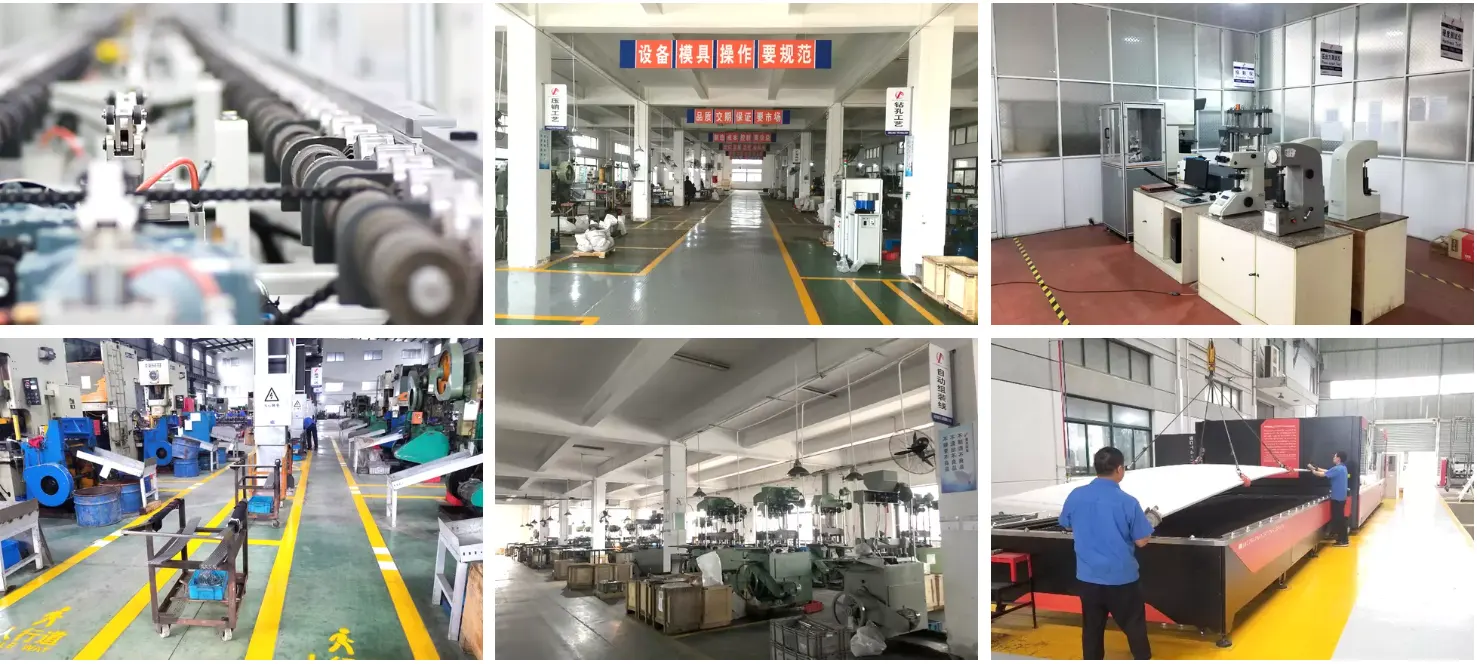
Q&A
- What materials are commonly used in plastic pinion gears?
Common materials include polyoxymethylene (POM), nylon, and polycarbonate, each offering unique properties suited for different applications. - How does the injection molding process work for plastic pinion gears?
Injection molding involves melting plastic material and injecting it into a mold cavity under high pressure to create precise gear shapes. - What are the advantages of using plastic pinion gears over metal gears?
Plastic pinion gears are lightweight, corrosion-resistant, produce less noise, and are often more cost-effective to produce than metal gears. - How can I ensure the longevity of my plastic pinion gears?
Regular inspections, proper cleaning, appropriate lubrication, timely replacement of worn components, and potential upgrades can ensure the longevity of plastic pinion gears. - Why should I choose Ever Power for my plastic pinion gear needs?
Ever Power offers expert knowledge, high-quality products, customization options, reliable support, and competitive pricing, making us a trusted partner for your gear requirements.
Author: Dream