plastic injection gear testing methods

Plastic Injection Gear Testing Methods and Their Relation to Plastic Injection Gears
Plastic injection gears are integral components in various mechanical systems, known for their precision and reliability. Ensuring their performance and durability requires rigorous testing methods. This article delves into the various testing methods for plastic injection gears and explores their intrinsic relationship with the gears themselves.
Introduction to Plastic Injection Gear Testing Methods
Testing methods for plastic injection gears are crucial for verifying their efficiency, strength, and longevity in different applications. These methods involve a series of assessments designed to evaluate the gears’ mechanical properties, ensure conformity to design specifications, and predict their performance in real-world conditions.
Mechanical Strength Testing
Mechanical strength testing is essential to determine the load-bearing capabilities of plastic injection gears. This involves applying various forces to the gears to measure their tensile strength, compressive strength, and flexural strength. Accurate mechanical strength testing helps in predicting the gear’s performance under different stress conditions.
Wear and Tear Analysis
Wear and tear analysis examines the gear’s durability over time. By simulating long-term use, this method helps identify potential failure points and material degradation. It involves cyclic loading tests that replicate the repeated stresses gears endure during operation.
Dimensional Accuracy Inspection
Dimensional accuracy is critical for ensuring that plastic injection gears fit correctly within mechanical systems. Using precision measuring instruments, this test checks the gears against specified tolerances to ensure they meet the exact design requirements.
Surface Finish Evaluation
Surface finish evaluation involves inspecting the smoothness and texture of the gear’s surface. A high-quality surface finish reduces friction and wear, enhancing the gear’s performance and lifespan. Techniques like profilometry and microscopy are used for detailed surface analysis.
Thermal Stability Testing
Thermal stability testing assesses how well plastic injection gears can withstand temperature variations. This is crucial for applications where gears are exposed to high or fluctuating temperatures. The test measures the gear’s dimensional stability and mechanical properties at different temperatures.
Vibration and Noise Testing
Vibration and noise testing evaluates the operational smoothness of the gears. Excessive vibration and noise can indicate misalignment or material defects. This test is particularly important for applications requiring quiet and smooth operation, such as in automotive and medical devices.
Fatigue Testing
Fatigue testing determines the gear’s endurance limit under cyclic loading. By applying repeated stress cycles, this method predicts the gear’s lifespan and identifies potential failure modes. It helps in designing gears that can withstand prolonged use without failure.
Environmental Resistance Testing
Environmental resistance testing evaluates the gear’s ability to perform under different environmental conditions. This includes exposure to moisture, chemicals, UV radiation, and other environmental factors that could affect the gear’s material properties and performance.
Plastic Injection Gear Testing Methods and Their Relationship to Plastic Injection Gears
Testing methods are intrinsically linked to the design and manufacturing of plastic injection gears. They ensure that the gears meet the necessary standards for functionality and durability. By subjecting the gears to comprehensive testing, manufacturers can guarantee that their products will perform reliably in their intended applications.

Performance Characteristics of Plastic Injection Gears
- Lightweight: Plastic injection gears are significantly lighter than their metal counterparts, reducing overall system weight.
- Cost-Effective: They are cheaper to produce, especially in large quantities, due to lower material and manufacturing costs.
- Corrosion Resistance: Plastic materials are naturally resistant to corrosion, making them suitable for use in harsh environments.
- Noise Reduction: Plastic gears operate more quietly than metal gears, as they absorb vibrations better.
- Design Flexibility: They can be molded into complex shapes and forms, allowing for intricate gear designs.
Types and Characteristics of Plastic Injection Gears
Plastic injection gears come in various types, each with unique characteristics tailored to specific applications. Common types include spur gears, helical gears, bevel gears, and worm gears. The choice of material also plays a crucial role in determining the gear’s properties.

Applications of Plastic Injection Gears in Various Industries
Plastic injection gears are widely used across multiple industries due to their unique advantages. Here are some key applications:
- Automotive Manufacturing: Used in various components like dashboards, wipers, and seat adjustments for their lightweight and noise reduction properties.
- Aerospace: Ideal for non-critical components where weight savings are crucial.
- Medical Devices: Employed in devices such as drug delivery systems and diagnostic equipment for their precision and low noise.
- Energy Sector: Utilized in renewable energy systems like wind turbines for their corrosion resistance and lightweight.
- Marine Industry: Suitable for use in watercraft systems due to their resistance to moisture and corrosion.
Future Trends and Opportunities in Plastic Injection Gears
The future of plastic injection gears looks promising, with several trends and opportunities on the horizon:
- Advanced Materials: Development of new plastic composites with enhanced properties will open up new applications.
- Sustainability: Increased focus on eco-friendly materials and recycling will drive innovation in gear manufacturing.
- Miniaturization: As devices become smaller, the demand for precision miniature gears will rise.
- Automation: Integration of gears in automation and robotics will create new market opportunities.
- Customization: Advances in 3D printing will enable more customized and complex gear designs.

Choosing the Right Plastic Injection Gear
Selecting the right plastic injection gear can be challenging. Here are key factors to consider:
- Define Requirements: Understand the specific requirements of your application, including load, speed, and environmental conditions.
- Material Selection: Choose the appropriate material based on the application’s demands for strength, wear resistance, and thermal stability.
- Design Optimization: Work with engineers to optimize the gear design for performance and manufacturability.
- Supplier and After-Sales Service: Select a reputable supplier who offers good after-sales support and quality assurance.
- Cost Efficiency: Balance cost considerations with performance requirements to ensure value for money.
- Quality Control: Implement rigorous quality control measures to ensure the gears meet the required standards.

Maintaining Plastic Injection Gears
Proper maintenance of plastic injection gears ensures their longevity and reliable performance. Key maintenance practices include:
- Regular Inspections: Periodically inspect gears for signs of wear and damage.
- Cleaning and Corrosion Prevention: Keep gears clean and apply anti-corrosion treatments if necessary.
- Lubrication and Care: Use suitable lubricants to minimize friction and wear.
- Replacing Worn Parts: Replace any worn or damaged gears promptly to avoid further damage to the system.
- Upgrades and Improvements: Consider upgrading to newer, more efficient gear designs as technology advances.
Why Choose Ever Power?
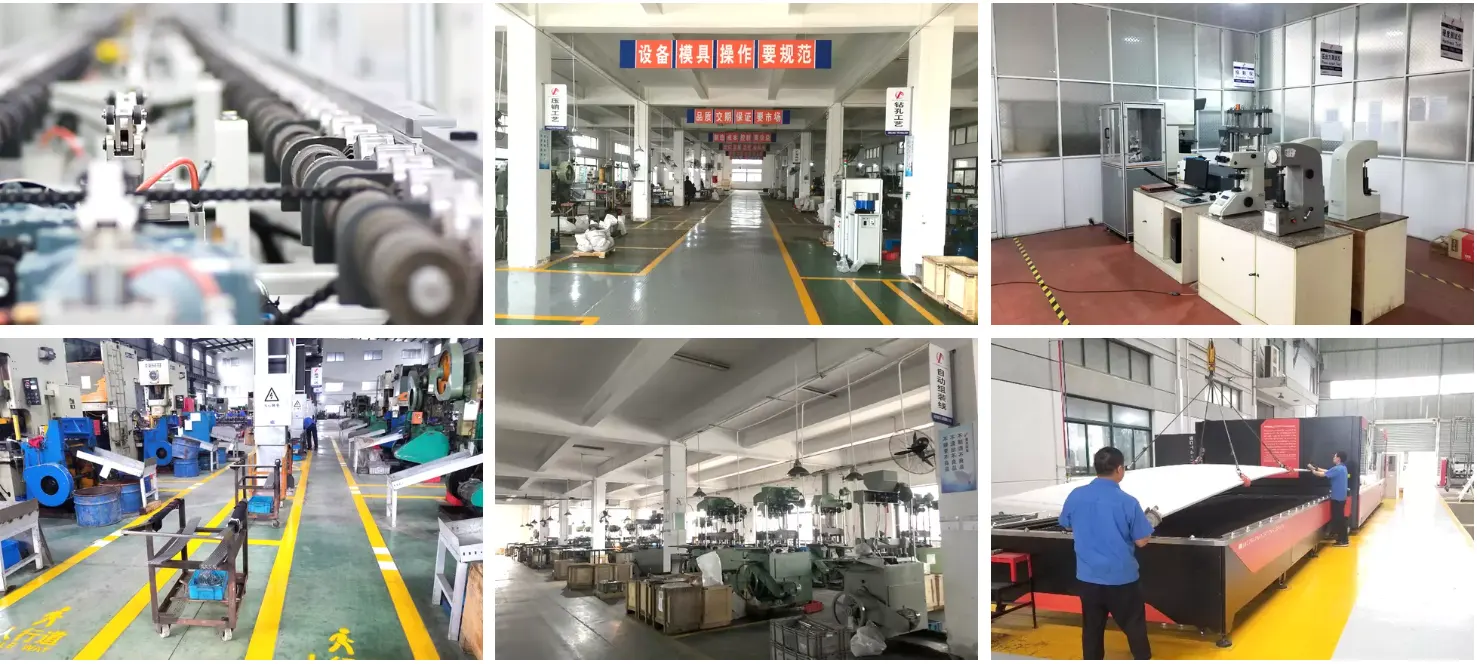
Ever Power is a leading manufacturer and supplier of high-quality plastic injection gears. Here are five reasons to choose us:
- Expertise: With years of experience, we offer unparalleled expertise in gear design and manufacturing.
- Quality Assurance: Our rigorous quality control processes ensure that every gear meets the highest standards.
- Customization: We provide tailored solutions to meet specific customer requirements.
- Competitive Pricing: Our efficient manufacturing processes allow us to offer competitive prices without compromising on quality.
- Customer Support: We provide excellent after-sales support and services to ensure customer satisfaction.
Q&A
- Q: What are the primary applications for plastic injection gears?
A: They are used in automotive, aerospace, medical devices, energy, and marine industries. - Q: How do you test the mechanical strength of plastic injection gears?
A: Through tensile, compressive, and flexural strength tests. - Q: Why is dimensional accuracy important in plastic injection gears?
A: It ensures proper fitting and function within mechanical systems. - Q: What advancements are expected in the future for plastic injection gears?
A: Developments in advanced materials, sustainability, miniaturization, automation, and customization. - Q: How can I ensure the quality of plastic injection gears?
A: By implementing rigorous quality control measures and choosing a reputable supplier.
Author: Dream