plastic injection gear supplier costs

Plastic Injection Gear Supplier Costs and Their Relationship With Plastic Injection Gears
Understanding Plastic Injection Gear Supplier Costs
Plastic injection gear suppliers provide a critical component in many industrial applications. These costs can vary greatly depending on several factors including the complexity of the gear design, the materials used, production volumes, and precision requirements. Suppliers need to cover their production expenses, labor, overheads, and also ensure a profitable margin. Hence, understanding the breakdown of these costs is essential for manufacturers looking to integrate plastic injection gears into their products.
Factors Influencing Plastic Injection Gear Supplier Costs
Design Complexity
The more intricate the design of the plastic injection gear, the higher the costs. Complex designs require advanced tooling and more time to produce, which drives up costs. Precision in gear design is crucial for ensuring smooth operation in machinery, making this an unavoidable factor in cost determination.
Material Selection
The choice of material significantly impacts the cost. High-performance engineering plastics like PEEK (Polyether Ether Ketone) or PTFE (Polytetrafluoroethylene) are more expensive than standard materials like nylon or acetal. Each material has unique properties that suit different applications, from high-temperature resistance to low friction.
Production Volume
Higher production volumes typically reduce per-unit costs due to economies of scale. When suppliers produce large quantities of gears, the fixed costs of tooling and setup are spread over more units, reducing the cost per gear.
Precision and Tolerance Requirements
Gears used in critical applications require high precision and tight tolerances, which increase manufacturing complexity and cost. Ensuring these standards often means investing in high-quality molds and precise manufacturing processes.
Tooling and Equipment
Initial tooling costs for plastic injection gears can be substantial. Creating high-precision molds requires significant investment in high-quality tooling and advanced machinery. These upfront costs are amortized over the production run, affecting the overall cost structure.
The Relationship Between Plastic Injection Gear Supplier Costs and Plastic Injection Gears
The relationship between supplier costs and plastic injection gears is foundational. Supplier costs directly influence the final pricing of gears, impacting the overall budget for projects relying on these components. High-quality gears necessitate investment in superior materials, precise tooling, and advanced manufacturing techniques, which collectively drive up supplier costs. Conversely, seeking cost reductions might compromise gear quality, affecting the performance and longevity of the products they are used in.

Performance Characteristics of Plastic Injection Gears
- Durability: Plastic injection gears are designed to withstand significant wear and tear, ensuring long-lasting performance.
- Lightweight: Unlike metal gears, plastic gears are much lighter, which can reduce the overall weight of machinery and improve efficiency.
- Low Noise: Plastic gears operate more quietly than metal alternatives, making them ideal for applications where noise reduction is important.
- Corrosion Resistance: Many plastic materials are resistant to corrosion, offering an advantage in environments where exposure to moisture or chemicals is common.
- Cost-Effective: Manufacturing plastic gears can be more cost-effective due to lower material costs and less complex machining requirements.
Types and Characteristics of Plastic Injection Gears
Plastic injection gears come in various types, each suited for specific applications. Common types include spur gears, helical gears, bevel gears, and worm gears.

Spur Gears
Spur gears are the simplest type of gear with straight teeth mounted on a parallel shaft. They are effective for low-speed applications and are easy to manufacture, making them cost-effective.
Helical Gears
Helical gears have angled teeth, providing smoother and quieter operation compared to spur gears. They are suitable for high-speed applications and can handle more load.
Bevel Gears
Bevel gears are used to change the direction of a shaft’s rotation. They have a conical shape and can operate at various angles, making them versatile for complex machinery.
Worm Gears
Worm gears consist of a worm (screw) that meshes with a worm wheel (gear). They provide high torque and can achieve significant gear reduction, making them ideal for applications requiring large speed reductions.
Material Advantages of Plastic Injection Gears
Different materials used in plastic injection gears offer unique advantages:
- Nylon: Good wear resistance, low friction, and high strength-to-weight ratio.
- Acetal: Excellent dimensional stability, low moisture absorption, and high stiffness.
- PEEK: High-temperature resistance, chemical resistance, and superior mechanical properties.
- PTFE: Extremely low friction, high temperature, and chemical resistance.
- Polycarbonate: High impact resistance, good dimensional stability, and transparency options.
Applications of Plastic Injection Gears
Automotive Industry
Plastic injection gears are used in various automotive applications, including transmission systems, steering mechanisms, and window regulators. Their lightweight nature helps improve fuel efficiency.
Aerospace Industry
In aerospace, plastic gears are valued for their lightweight and durability. They are used in control systems, actuators, and other critical components where weight reduction is crucial.
Medical Equipment
Plastic gears are integral to medical devices such as pumps, diagnostic equipment, and surgical instruments due to their biocompatibility and precision.
Energy Sector
In the energy sector, plastic gears are used in wind turbines, solar panel adjustment systems, and other equipment where corrosion resistance and reliability are essential.
Marine Industry
The marine industry benefits from plastic gears due to their resistance to saltwater corrosion, making them ideal for use in boats, jet skis, and underwater equipment.
Future Trends and Opportunities in Plastic Injection Gears

The future of plastic injection gears looks promising with advancements in material science and manufacturing technologies. Here are some trends and opportunities:
- Advanced Materials: Development of new plastic materials with enhanced properties could open up new applications for injection gears.
- Precision Manufacturing: Improved manufacturing techniques, such as 3D printing, can enable more precise and complex gear designs.
- Sustainability: Eco-friendly materials and processes will become more prevalent as industries seek to reduce their environmental impact.
- Customization: Increased demand for customized gears tailored to specific applications will drive innovation in design and manufacturing.
- Integration with Smart Systems: Integration of plastic gears with smart systems and IoT applications will enhance their functionality and monitoring capabilities.
Choosing the Right Plastic Injection Gear

Selecting the right plastic injection gear involves several considerations:
- Define Requirements: Understand the specific needs of your application, including load, speed, and environmental conditions.
- Material Choice: Choose materials that offer the required mechanical properties and environmental resistance.
- Design Optimization: Work with suppliers to optimize gear design for performance and manufacturability.
- Supplier Selection: Partner with reliable suppliers who have a proven track record in producing high-quality gears.
- Cost-Benefit Analysis: Evaluate the cost-effectiveness of different gear options, considering both initial costs and long-term performance.
- Quality Control: Ensure suppliers have robust quality control processes to maintain consistency and reliability in gear production.
Maintaining Plastic Injection Gears
Proper maintenance of plastic injection gears is essential to ensure their longevity and performance:
- Regular Inspection: Conduct routine checks to identify any signs of wear or damage.
- Cleaning and Corrosion Prevention: Keep gears clean and protect them from corrosive environments.
- Lubrication: Use appropriate lubricants to reduce friction and wear.
- Replacement of Worn Parts: Replace any worn or damaged gears promptly to avoid further damage to the system.
- Upgrades and Improvements: Regularly evaluate the gear system for potential improvements and upgrades to enhance performance.
Why Choose Ever Power
Ever Power specializes in the production and sale of high-quality plastic injection gears. Here are five reasons to choose our products:
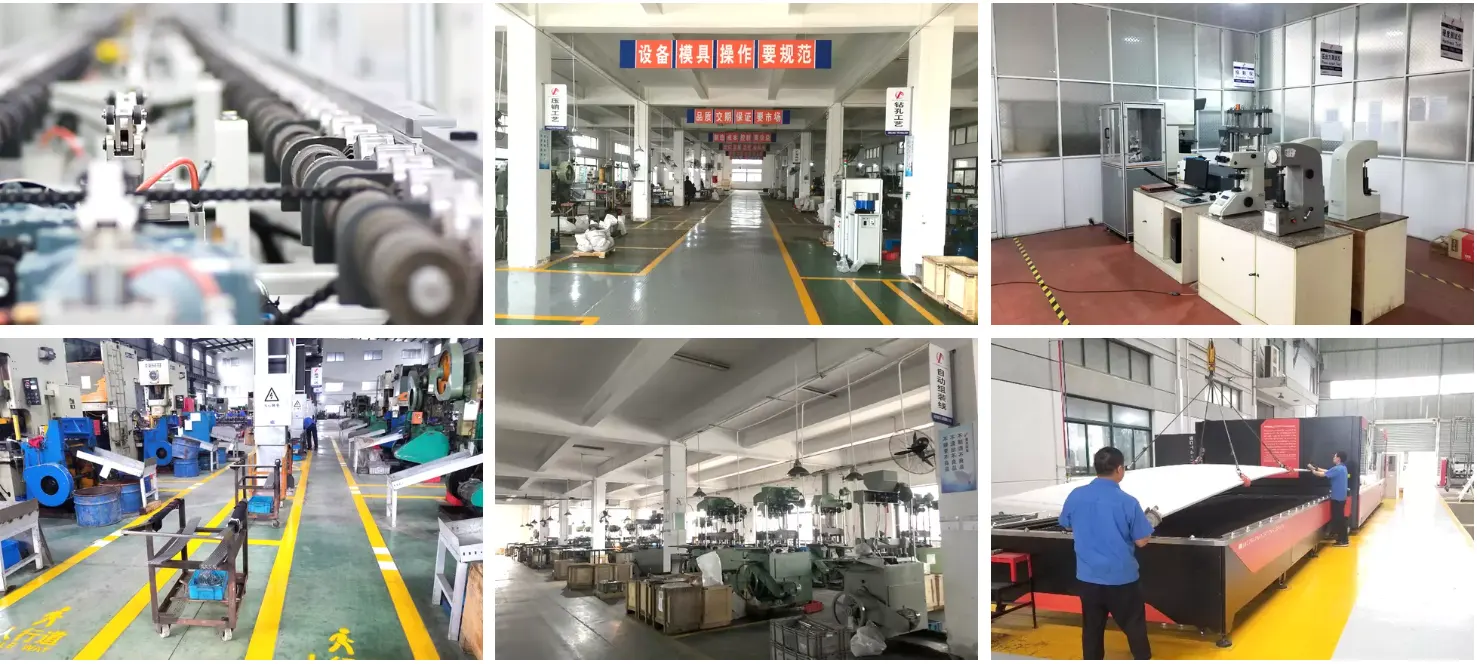
- Expertise: With years of experience in the industry, we understand the intricacies of gear manufacturing and offer expert advice and solutions.
- Quality Assurance: Our stringent quality control processes ensure that every gear meets the highest standards of performance and reliability.
- Advanced Technology: We utilize cutting-edge manufacturing technologies to produce gears with precision and consistency.
- Customized Solutions: We provide tailored solutions to meet the specific needs of our clients, ensuring optimal performance for their applications.
- Comprehensive Support: From initial consultation to after-sales service, we offer comprehensive support to ensure our clients’ success.
Q&A Section
- Q: What factors affect the cost of plastic injection gears?
A: Design complexity, material selection, production volume, precision, and tooling costs impact the cost. - Q: What are the advantages of using plastic gears over metal gears?
A: Plastic gears are lightweight, cost-effective, quieter, and resistant to corrosion. - Q: How can I ensure the quality of plastic injection gears?
A: Partner with reputable suppliers with robust quality control processes and track records. - Q: What maintenance practices are recommended for plastic gears?
A: Regular inspection, cleaning, lubrication, and timely replacement of worn parts are essential. - Q: What trends are shaping the future of plastic injection gears?
A: Advanced materials, precision manufacturing, sustainability, customization, and smart system integration are key trends.
Author: Dream