plastic transmission gear cost-benefit analysis

Plastic Transmission Gear Cost-Benefit Analysis
Introduction to Plastic Transmission Gear Cost-Benefit Analysis
Plastic transmission gears have revolutionized various industries by offering a lightweight and cost-effective alternative to traditional metal gears. This comprehensive cost-benefit analysis aims to illustrate the economic advantages and potential drawbacks of using plastic transmission gears, providing valuable insights for engineers, manufacturers, and decision-makers.
Informational Connection Between Plastic Transmission Gear Cost-Benefit Analysis and Plastic Transmission Gear
The relationship between plastic transmission gear cost-benefit analysis and plastic transmission gears is foundational. This analysis examines the economic viability and performance efficiency of these gears compared to their metal counterparts. Understanding this connection allows stakeholders to make informed choices that balance cost savings with performance requirements.

Performance Characteristics of Plastic Transmission Gears
- Lightweight: Plastic gears are significantly lighter than metal gears, reducing overall system weight.
- Corrosion Resistance: Unlike metal, plastic is resistant to corrosion and chemical damage.
- Noise Reduction: Plastic gears operate more quietly, minimizing noise pollution.
- Cost-Effective Production: Injection molding processes enable mass production at lower costs.
- Low Maintenance: The inherent properties of plastic result in less wear and tear, reducing maintenance needs.
Types and Characteristics of Plastic Transmission Gears
Plastic transmission gears come in various types and materials, each offering distinct advantages:

- ABS: Known for its toughness and impact resistance, suitable for automotive and electronic applications.
- Nylon: Offers excellent wear resistance and high mechanical strength, ideal for heavy-duty applications.
- PEEK: Provides exceptional thermal stability and chemical resistance, perfect for high-temperature environments.
- POM (Acetal): Features low friction and high dimensional stability, commonly used in precision engineering.
Applications of Plastic Transmission Gears in Various Fields
Plastic transmission gears are utilized across multiple industries due to their versatile properties:
- Automobile Manufacturing: Used in drivetrain components, electric windows, and wiper systems.
- Aerospace: Employed in lightweight actuators and control systems, reducing overall aircraft weight.
- Medical Devices: Integral in patient monitoring systems and diagnostic equipment, ensuring reliable performance.
- Energy Sector: Applied in wind turbine systems and solar tracking mechanisms, enhancing energy efficiency.
- Consumer Electronics: Found in printers, cameras, and appliances, providing smooth and quiet operation.
Future Development Trends and Opportunities

The future of plastic transmission gears is promising, with several trends and opportunities on the horizon:
- Advanced Materials: Ongoing research into new polymers promises enhanced performance and durability.
- Eco-Friendly Solutions: Development of biodegradable plastics for sustainable manufacturing.
- Integration with Smart Technologies: Incorporation of IoT and AI for predictive maintenance and optimized performance.
- Customization: Increasing demand for tailor-made gears to meet specific application requirements.
- Global Market Expansion: Growing adoption in emerging markets, driven by automotive and industrial growth.
Choosing the Right Plastic Transmission Gear
Selecting the appropriate plastic transmission gear requires careful consideration of several factors:

- Identify Requirements: Determine load capacity, speed, and environmental conditions.
- Material Selection: Choose the right plastic based on mechanical and thermal properties.
- Design Optimization: Optimize gear design for manufacturing efficiency and performance.
- Supplier and After-Sales Service: Partner with reputable suppliers offering comprehensive support.
- Cost-Effectiveness: Balance initial costs with long-term savings and efficiency.
- Quality Control: Ensure rigorous testing and quality assurance protocols are in place.
Maintaining Plastic Transmission Gears
Proper maintenance is crucial for the longevity and performance of plastic transmission gears:
- Regular Inspections: Conduct periodic checks for wear and damage.
- Cleaning and Corrosion Prevention: Keep gears clean and protect against corrosive substances.
- Lubrication and Maintenance: Apply appropriate lubricants to reduce friction and wear.
- Replace Worn Parts: Timely replacement of damaged components to prevent system failures.
- Upgrades and Improvements: Implement enhancements to boost performance and reliability.
Why Choose Ever Power
Ever Power is a leading manufacturer and supplier of high-quality plastic transmission gears. Here are five reasons to choose our products:
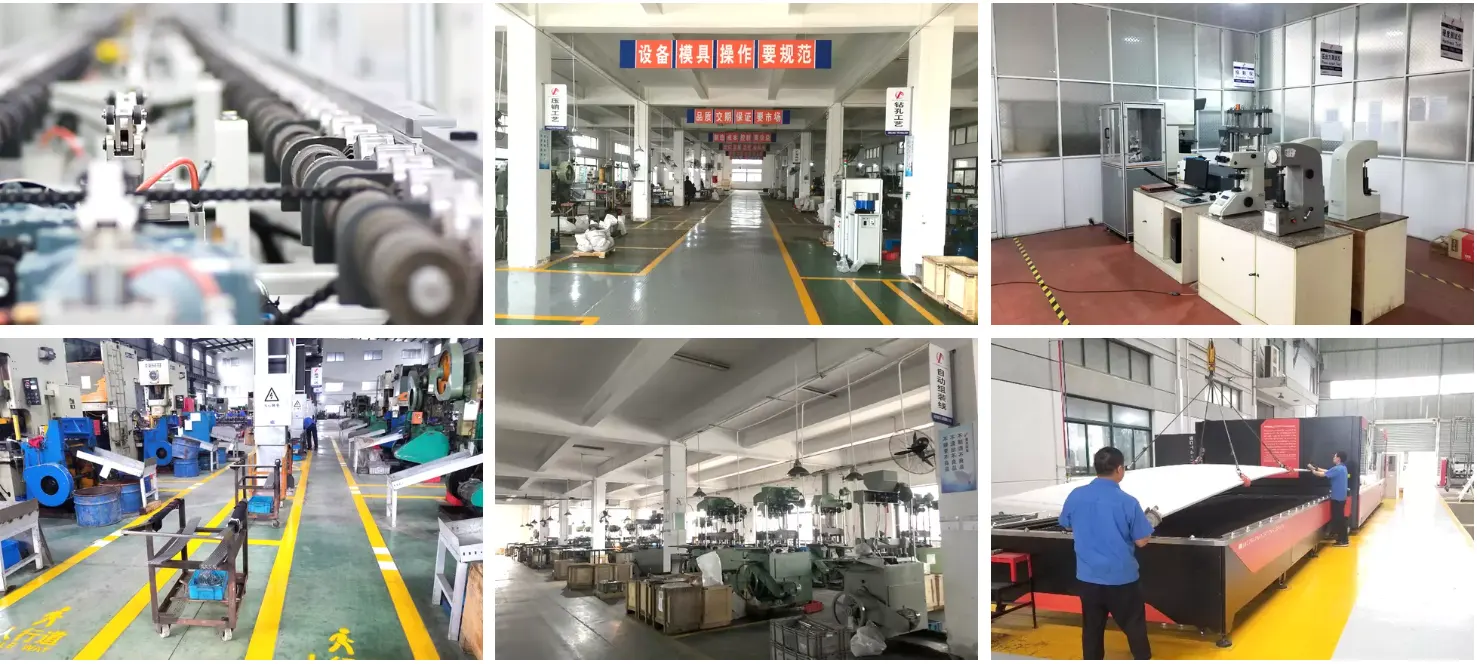
- Expertise: With years of experience, we offer unmatched expertise in gear manufacturing.
- Quality Assurance: Rigorous quality control ensures every gear meets the highest standards.
- Innovative Solutions: We provide cutting-edge designs and materials for superior performance.
- Comprehensive Support: Our dedicated team offers exceptional after-sales service and technical support.
- Competitive Pricing: We deliver cost-effective solutions without compromising on quality.
FAQs
Here are some commonly asked questions and their answers:
- What are the main benefits of plastic transmission gears? Plastic gears offer lightweight, corrosion resistance, lower manufacturing costs, and reduced noise.
- How do plastic gears compare to metal gears in terms of strength? While metal gears are generally stronger, advancements in plastic materials have significantly narrowed the gap.
- Can plastic gears be used in high-temperature environments? Yes, certain plastics like PEEK are designed to withstand high temperatures.
- What industries benefit the most from plastic transmission gears? Automotive, aerospace, medical devices, energy, and consumer electronics are some of the key industries.
- How do I choose the right plastic material for my gear? Consider factors such as load, speed, environmental conditions, and specific application requirements.
Author: Dream