plastic transmission gear market analysis

Plastic Transmission Gear Market Analysis
Introduction to Plastic Transmission Gear Market Analysis
The plastic transmission gear market has witnessed significant growth over the past few years. As industries seek lightweight, durable, and cost-effective solutions, the demand for plastic gears has surged. This analysis delves into the various facets of the plastic transmission gear market, exploring trends, applications, and future prospects.
Informational Relationship between Market Analysis and Plastic Transmission Gear
Market analysis for plastic transmission gears provides critical insights into the dynamics of the industry. It examines market size, growth drivers, challenges, and opportunities. This analysis connects closely with the characteristics of plastic transmission gears, such as their material properties, design flexibility, and application areas.

Performance Characteristics of Plastic Transmission Gear
- Lightweight: Plastic gears are significantly lighter than their metal counterparts, reducing the overall weight of machinery and equipment.
- Corrosion Resistance: Unlike metal gears, plastic gears are highly resistant to corrosion, making them suitable for use in harsh environments.
- Noise Reduction: Plastic gears generate less noise in operation due to their inherent damping properties.
- Cost-Effective: The production cost of plastic gears is generally lower than that of metal gears, making them a viable alternative for cost-sensitive applications.
- High Durability: Advanced engineering plastics used in gear manufacturing offer excellent wear resistance and longevity.
Types of Plastic Transmission Gears and Their Properties
Plastic transmission gears come in various types, each with distinct properties and advantages.

- Nylon Gears: Known for their excellent wear resistance and low friction, nylon gears are suitable for high-load applications.
- Acetal (POM) Gears: Acetal gears offer high stiffness, low friction, and good dimensional stability, making them ideal for precision applications.
- PEEK Gears: With outstanding mechanical properties and chemical resistance, PEEK gears are used in high-temperature and high-stress environments.
- ABS Gears: ABS gears provide good impact resistance and toughness, suitable for moderate-load applications.
- Polycarbonate Gears: These gears offer high impact strength and transparency, used in applications where visibility of gear operation is beneficial.
Applications of Plastic Transmission Gears in Various Industries
Plastic transmission gears are essential components in multiple industries due to their versatile properties.
- Automotive Manufacturing: Used in various automotive components such as windshield wipers, seat adjusters, and power windows.
- Aerospace: Employed in aircraft components requiring lightweight and high-strength materials.
- Medical Equipment: Integral to devices such as infusion pumps and surgical instruments where precision and reliability are critical.
- Energy Sector: Utilized in equipment like wind turbines and solar trackers that demand durable and corrosion-resistant gears.
- Consumer Electronics: Found in various electronic devices such as printers, scanners, and home appliances.
Future Trends and Opportunities in the Plastic Transmission Gear Market

The future of the plastic transmission gear market looks promising, driven by technological advancements and evolving industry requirements.
- 3D Printing: Additive manufacturing is set to revolutionize gear production, enabling custom designs and rapid prototyping.
- Material Innovations: The development of new engineering plastics will enhance gear performance and expand their application scope.
- Sustainability: Increased focus on eco-friendly materials and recycling processes will drive the market towards greener solutions.
- Automation and Robotics: The rise of automation will spur demand for high-precision plastic gears in robotics and industrial machinery.
How to Choose the Right Plastic Transmission Gear

Selecting the appropriate plastic transmission gear involves several critical considerations:
- Define Requirements: Identify the specific application requirements, including load, speed, and environmental conditions.
- Material Selection: Choose the material that offers the best balance of strength, durability, and cost for the intended use.
- Design Optimization: Ensure the gear design meets performance criteria and maximizes efficiency.
- Supplier and After-Sales Service: Partner with reputable suppliers who provide comprehensive support and service.
- Cost-Benefit Analysis: Evaluate the total cost of ownership, including production, maintenance, and replacement costs.
- Quality Control: Implement stringent quality control measures to ensure gear reliability and longevity.
Maintenance of Plastic Transmission Gears
Proper maintenance ensures the longevity and optimal performance of plastic transmission gears:
- Regular Inspections: Conduct routine checks for wear, damage, and proper alignment.
- Cleaning and Corrosion Prevention: Keep gears clean and apply protective coatings if necessary.
- Lubrication and Conditioning: Use appropriate lubricants to reduce friction and wear.
- Replacement of Worn Parts: Timely replace gears that show signs of significant wear or damage.
- Upgrades and Improvements: Consider upgrading to new gear designs or materials to enhance performance.
Why Choose Ever Power
Ever Power is a leading manufacturer of plastic transmission gears, offering superior products and services to our customers:
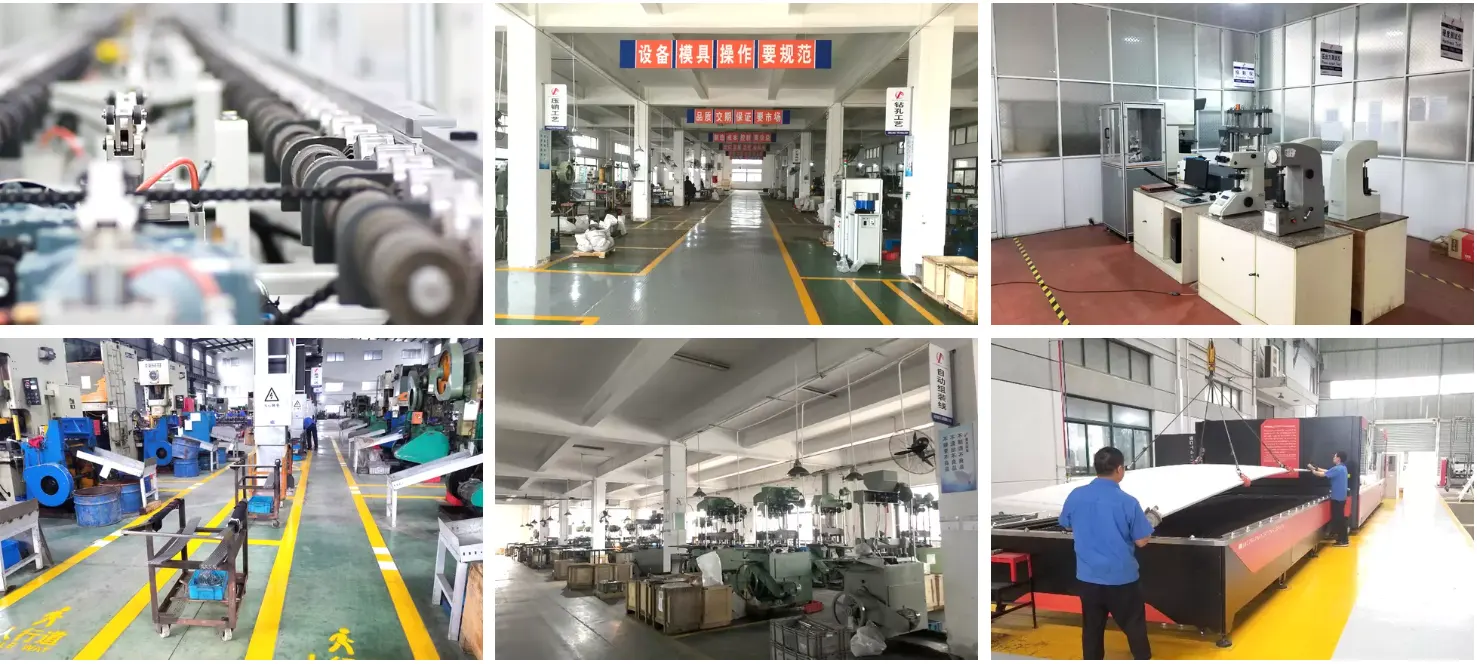
- High-Quality Products: We use advanced materials and manufacturing processes to produce durable and reliable gears.
- Customized Solutions: Our team works closely with customers to develop gear designs tailored to specific applications.
- Competitive Pricing: We offer cost-effective solutions without compromising on quality.
- Comprehensive Support: Our after-sales service ensures seamless integration and optimal gear performance.
- Innovation and Expertise: With extensive industry experience, we continuously innovate to meet evolving market demands.
FAQs
- Q: What materials are commonly used for plastic transmission gears?
A: Common materials include nylon, acetal (POM), PEEK, ABS, and polycarbonate. - Q: How do plastic gears compare to metal gears?
A: Plastic gears are lighter, quieter, and more corrosion-resistant than metal gears, though they may have lower load capacities. - Q: Can plastic gears be used in high-temperature environments?
A: Yes, certain plastics like PEEK are suitable for high-temperature applications. - Q: What industries benefit the most from using plastic transmission gears?
A: Industries such as automotive, aerospace, medical equipment, energy, and consumer electronics benefit greatly from plastic gears. - Q: What maintenance practices are recommended for plastic gears?
A: Regular inspections, proper lubrication, cleaning, and timely replacement of worn parts are recommended maintenance practices.
Author: Dream