aluminum gear corrosion protection

Aluminum Gear Corrosion Protection and its Relationship to Aluminum Gear
Aluminum gear corrosion protection is a critical factor in ensuring that aluminum gears are durable and can withstand harsh operating conditions. Aluminum gears are widely used in various applications, including automotive, aerospace, and marine industries, among others. In this article, we will explore the relationship between aluminum gear corrosion protection and aluminum gear and provide insights into the different aspects of this topic.
Aluminum Gear Corrosion Protection
Corrosion is a common problem that affects any metal that comes in contact with moisture, salts, and other contaminants. Aluminum gears are particularly vulnerable to corrosion, which can lead to gear failure and potentially catastrophic consequences. To prevent corrosion, various methods of aluminum gear corrosion protection have been developed, including anodizing, hard coating, and specialized coatings.
Anodizing
Anodizing is an electrochemical process that creates a protective layer of aluminum oxide on the gear surface. The anodized layer is hard, durable, and resistant to wear and corrosion. Anodizing can also enhance the gear’s surface hardness and improve its appearance through dyeing and coloring.
Hard Coating
Hard coating is a process that involves depositing a layer of hard material, such as ceramics, onto the gear surface. Hard coatings improve the gear’s surface hardness and resistance to wear and corrosion. The coating can also be tailored to suit specific applications, such as high-temperature environments or exposure to chemicals.
Specialized Coatings
Specialized coatings, such as fluoropolymer-based coatings or electroless nickel plating, can provide superior protection against corrosion and wear. These coatings are highly resistant to chemicals and can withstand extreme temperatures and harsh environments. However, specialized coatings can be costly and require specialized equipment and expertise to apply.
Aluminum Gear and Informational Relationship
Aluminum gears are widely used in various applications due to their unique properties, including light weight, high strength, and corrosion resistance. Aluminum gear corrosion protection is essential in ensuring that the gear can withstand harsh operating conditions and maintain its performance over time. The informational relationship between aluminum gear corrosion protection and aluminum gear is critical in understanding the gear’s design, manufacturing, and maintenance requirements.

Aluminum Gear Performance Characteristics
Aluminum gears are widely used in various applications due to their unique properties, including:
Light Weight
Aluminum gears are significantly lighter than steel gears, making them ideal for applications where weight reduction is critical, such as aerospace and automotive industries.
High Strength
Aluminum gears have excellent strength-to-weight ratios, making them ideal for high-performance applications that require high torque and load capacity.
Corrosion Resistance
Aluminum gears have excellent corrosion resistance, making them ideal for use in harsh environments, such as marine and offshore applications.
Low Noise and Vibration
Aluminum gears produce less noise and vibration compared to steel gears, making them ideal for applications that require quiet operation, such as robotics and medical equipment.
Design Flexibility
Aluminum gears can be manufactured using various manufacturing processes, including casting, forging, and machining, allowing for greater design flexibility and customization.

Types of Aluminum Gear and Their Characteristics
Aluminum gears come in various types, each with its unique characteristics:
Spur Gears
Spur gears are the most common type of gear and are widely used in various applications, including automotive and industrial machinery. Spur gears have straight teeth and are often used for low-speed applications.
Bevel Gears
Bevel gears have angled teeth and are used to transmit power between intersecting shafts. Bevel gears are commonly used in automotive and aerospace applications.
Worm Gears
Worm gears have a threaded shaft that meshes with a worm gear and are used to transmit power at high torque ratios. Worm gears are often used in heavy-duty applications, such as industrial machinery.
Helical Gears
Helical gears have angled teeth that form a helix pattern and are used to transmit power between parallel shafts. Helical gears are often used in high-speed applications, such as automotive and aerospace.
Applications of Aluminum Gear
Aluminum gears are widely used in various applications, including:
Automotive Industry
Aluminum gears are widely used in automotive applications, including transmissions, differentials, and steering systems. Aluminum gears help reduce vehicle weight and improve fuel efficiency.
Aerospace Industry
Aluminum gears are used in various aerospace applications, including engines, landing gear, and flight control systems. Aluminum gears help reduce aircraft weight and improve performance.
Robotics Technology
Aluminum gears are used in various robotic applications, including manipulators, grippers, and actuators. Aluminum gears help reduce robot weight and improve performance.
Industrial Machinery
Aluminum gears are used in various industrial machinery applications, including pumps, compressors, and conveyors. Aluminum gears help reduce equipment weight and improve efficiency.
Marine Engineering
Aluminum gears are used in various marine applications, including propellers, winches, and steering systems. Aluminum gears help reduce vessel weight and improve fuel efficiency.
Future Developments and Opportunities
The demand for aluminum gears is expected to increase in the future due to their unique properties and benefits. The development of new manufacturing processes and materials is expected to improve the performance and durability of aluminum gears further. There is also an opportunity to develop specialized coatings and surface treatments that can provide superior corrosion protection and wear resistance.
Recommendations and Outlook
The development of aluminum gears requires a deep understanding of the gear’s design, manufacturing, and maintenance requirements. There is a need for collaboration between gear manufacturers, researchers, and end-users to develop innovative solutions that can meet the growing demand for aluminum gears.
How to Choose the Right Aluminum Gear
Choosing the right aluminum gear requires considering several factors, including:
Clarify Your Needs
Understanding your specific requirements, including torque, load capacity, and operating conditions, is critical in selecting the right aluminum gear for your application.
Material Selection
The selection of the right material, including aluminum alloys and coatings, is critical in ensuring that the gear can withstand the operating conditions and provide optimal performance.
Design Optimization
The optimization of the gear’s design, including the selection of the tooth profile and gear dimensions, is essential in ensuring that the gear can transmit power efficiently and reduce wear and tear.
Supplier and After-Sales Service
The selection of the right supplier and after-sales service is critical in ensuring that the gear meets your expectations and can be maintained and repaired effectively.
Cost-Effective
The selection of a cost-effective aluminum gear that provides optimal performance and durability is essential in ensuring that you get the best value for your investment.
Aluminum Gear Maintenance
Aluminum gear maintenance is critical in ensuring that the gear can provide optimal performance and durability over time. The maintenance process includes:
Equipment Regular Inspection
Regular inspection of the gear and its associated components is critical in identifying potential problems and taking corrective action before they lead to gear failure.
Cleaning and Corrosion Prevention
Cleaning the gear and its associated components regularly can help prevent corrosion and other forms of damage. The use of specialized coatings and surface treatments can also provide superior protection against corrosion.
Lubrication and Maintenance
Lubricating the gear and its associated components regularly can help reduce wear and tear and improve performance. Maintenance tasks, such as replacing worn parts and upgrading the gear’s design, can also help enhance its performance and durability.
Why Choose Ever Power
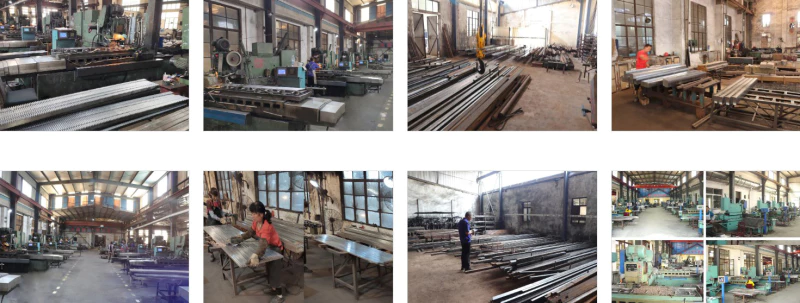
Ever Power is a professional manufacturer and supplier of aluminum gears. Our products are known for their high quality, durability, and performance. Some of the advantages of our products and services include:
Customization
We provide customized aluminum gear solutions to meet your specific requirements, including material selection, design optimization, and surface treatment.
Quality Control
We have a rigorous quality control process that ensures that every gear we produce meets the highest standards of quality and durability.
Competitive Pricing
We offer competitive pricing for our products and services, ensuring that you get the best value for your investment.
After-Sales Service
We provide comprehensive after-sales service, including maintenance, repair, and replacement of worn parts, to ensure that your gear continues to perform optimally over time.
Fast Delivery
We have a fast and reliable delivery system that ensures that your gear is delivered on time and in the best condition.
Q&A
Q1. What are the advantages of using aluminum gears over steel gears?
Aluminum gears are significantly lighter than steel gears, have good corrosion resistance, and produce less noise and vibration. They are also more flexible in terms of design and customization and can be manufactured using various manufacturing processes, including casting, forging, and machining.
Q2. What are the common types of aluminum gears?
The common types of aluminum gears include spur gears, bevel gears, worm gears, and helical gears.
Q3. What is the best method of aluminum gear corrosion protection?
The best method of aluminum gear corrosion protection depends on the specific application and operating conditions. Anodizing, hard coating, and specialized coatings are some of the common methods used for aluminum gear corrosion protection.
Q4. How do I choose the right aluminum gear for my application?
You can choose the right aluminum gear by clarifying your requirements, selecting the right material and design, choosing the right supplier and after-sales service, and ensuring that the gear provides optimal performance and durability at a cost-effective price.
Q5. How do I maintain my aluminum gear?
You can maintain your aluminum gear by regularly inspecting it, cleaning and preventing corrosion, lubricating and maintaining it, and upgrading its design and performance as needed.
Author: Dream