aluminum gear design

Aluminum Gear Design
Introduction to Aluminum Gear Design
Aluminum gear design is a vital aspect of manufacturing and engineering processes. It involves the creation and optimization of gears made from aluminum, a lightweight and durable material. This article explores the different aspects of aluminum gear design and its relationship with aluminum gears.
Aluminum Gear Design and Informational Connections
Aluminum gear design plays a crucial role in the overall performance and functionality of aluminum gears. It determines their tooth profile, pitch, module, and other important design parameters. By optimizing the design, engineers can enhance the efficiency, durability, and load-carrying capacity of aluminum gears.

Performance Characteristics of Aluminum Gears
- Lightweight: Aluminum gears offer a significant weight advantage, making them suitable for applications where weight reduction is essential.
- Low inertia: The low mass of aluminum gears results in reduced inertia, allowing for quicker acceleration and deceleration.
- High strength-to-weight ratio: Despite being lightweight, aluminum gears possess excellent strength, enabling them to handle substantial loads.
- Corrosion resistance: Aluminum gears have inherent corrosion resistance, making them suitable for various environments.
- Good thermal conductivity: Aluminum’s high thermal conductivity allows for efficient heat dissipation, preventing overheating.
Types and Characteristics of Aluminum Gears
Aluminum gears come in various types, each with its unique characteristics:

- Spur Gears: These gears have straight teeth and provide smooth and efficient power transmission.
- Helical Gears: Helical gears offer improved load distribution and reduced noise compared to spur gears.
- Bevel Gears: Bevel gears are used to transmit power between intersecting shafts at different angles.
- Worm Gears: Worm gears are ideal for achieving high gear ratios and reducing speed.
Each type of aluminum gear has its advantages, such as noise reduction, high torque transmission, and precise motion control. The selection of the gear type depends on the specific application requirements.
Applications of Aluminum Gears
Aluminum gears find extensive use in various industries due to their unique properties. Some notable applications include:
- Automotive Industry: Aluminum gears are used in automotive transmissions, where weight reduction and efficient power transmission are crucial.
- Aerospace Industry: Aluminum gears are employed in aircraft engines, landing gear systems, and other aerospace applications where weight savings are essential.
- Robotics: Aluminum gears are utilized in robotic systems to achieve lightweight construction, precise motion control, and energy efficiency.
- Industrial Machinery: Aluminum gears find applications in various industrial machines, such as conveyor systems, packaging equipment, and printing presses.
- Marine Engineering: Aluminum gears are used in marine propulsion systems, winches, and steering mechanisms due to their corrosion resistance and lightweight nature.
Future Trends and Opportunities for Aluminum Gear Products
The future of aluminum gear products looks promising, with several trends and opportunities emerging:
- Increased demand for lightweight components in various industries
- Advancements in aluminum alloy technologies for enhanced strength and durability
- Growing adoption of automation and robotics, driving the need for high-performance aluminum gears
- Expansion of electric and hybrid vehicles, creating opportunities for lightweight aluminum gear applications
- Continued focus on energy efficiency and sustainability in engineering designs

Choosing the Right Aluminum Gear
When selecting the appropriate aluminum gear, several factors need to be considered:
- Clear requirements: Define the specific performance and application requirements.
- Material selection: Choose the appropriate aluminum alloy based on strength, weight, and other mechanical properties.
- Design optimization: Optimize the gear’s dimensions, tooth profile, and overall geometry for optimal performance.
- Supplier and after-sales service: Ensure reliable suppliers and available after-sales support.
- Cost-effectiveness: Balance the cost of the gear with its performance and longevity.
- Quality control: Implement rigorous quality control measures to ensure the gear’s reliability and consistency.

Maintenance of Aluminum Gears
Proper maintenance of aluminum gears is essential for their longevity and performance:
- Regular equipment inspections: Periodically check the gear’s condition, lubrication, and alignment.
- Cleaning and corrosion prevention: Keep the gears clean and apply appropriate coatings or treatments to prevent corrosion.
- Lubrication and lubricant selection: Ensure proper lubrication of the gears with suitable lubricants to reduce wear and friction.
- Replacement of worn components: Replace any worn or damaged gear components to maintain optimal performance.
- Improvement and upgrades: Continuously assess the gear’s performance and consider upgrades or improvements if necessary.
Why Choose Ever Power
At Ever Power, we specialize in the production and sale of high-quality aluminum gears. Our products offer numerous advantages:
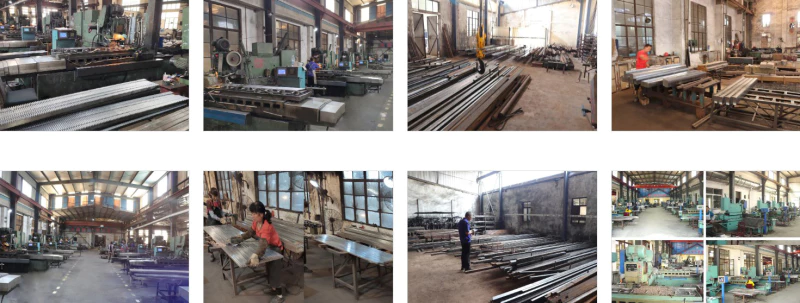
- Exceptional durability: Our aluminum gears are built to withstand demanding applications and provide long-lasting performance.
- Precision engineering: We utilize advanced manufacturing techniques to ensure precise gear tooth profiles and accurate dimensional tolerances.
- Versatility: Our aluminum gears are available in various types, sizes, and configurations to meet diverse application requirements.
- Customization options: We offer customization services to tailor the gears according to specific customer needs.
- Reliable customer support: Our team provides prompt and professional customer support, ensuring a smooth experience from inquiry to after-sales service.
Q&A
- Q: What are the advantages of aluminum gears over steel gears?
- Q: Can aluminum gears handle heavy loads?
- Q: Are aluminum gears suitable for high-speed applications?
- Q: Can aluminum gears be used in harsh environments?
- Q: Can Ever Power provide customized aluminum gears?
A: Aluminum gears offer weight savings, corrosion resistance, and good thermal conductivity compared to steel gears.
A: Yes, aluminum gears have excellent strength-to-weight ratio, enabling them to handle substantial loads.
A: Yes, aluminum gears can be designed and manufactured to meet the requirements of high-speed applications.
A: Yes, aluminum gears possess inherent corrosion resistance, making them suitable for various environments, including harsh ones.
A: Yes, Ever Power offers customization services to meet specific customer requirements.
Author: Dream