aluminum gear failure analysis

Aluminum Gear Failure Analysis and Its Relationship with Aluminum Gear
In the world of mechanical engineering, gears are an essential component in transferring power and motion between rotating shafts. Aluminum gears are lightweight and have high strength, which makes them a popular choice for many applications. However, like all mechanical components, gears can fail due to various reasons. Therefore, it is crucial to analyze aluminum gear failure to understand its causes and prevent future failures.
Aluminum Gear Failure Analysis
Aluminum gear failure analysis is a process of identifying the root cause of gear failure. The analysis includes examining the gear’s surface for signs of wear, inspecting the gear’s material, and determining the load and operating conditions. The most common causes of aluminum gear failure are:
Fatigue Failure
Fatigue failure occurs due to repeated loading and unloading on the gear’s teeth, which causes small cracks to develop and grow over time. The cracks eventually lead to the gear’s failure. Factors contributing to fatigue failure include improper material selection, poor design, and inadequate lubrication.
Wear Failure
Wear failure occurs due to excessive friction between the gear teeth, resulting in the loss of material from the gear’s surface. This type of failure is common in gears that operate under heavy loads or high speeds. Factors contributing to wear failure include improper lubrication, inadequate gear hardness, and poor gear alignment.
Overload Failure
Overload failure occurs when the gear is subjected to loads that exceed its design limits. This type of failure can result in complete gear tooth breakage or deformities. Factors contributing to overload failure include overloading, improper design, and improper material selection.
Aluminum gear failure analysis is crucial in determining the cause of the failure and taking corrective action to prevent future failures.

Aluminum Gear and Informational Relationship
Aluminum gear is widely used in various industries due to its lightweight, high strength, and corrosion resistance. Aluminum gears are used in applications requiring high-speed rotation, such as aerospace and automotive industries. Additionally, aluminum gears are used in industrial equipment, such as conveyor systems, packaging machinery, and robotics.
Aluminum gear failure can result in significant costs, downtime, and safety risks. Therefore, it is crucial to select the appropriate gear material based on the application’s operating conditions and load requirements.
Aluminum Gear Performance Characteristics
Aluminum gears have several performance characteristics, including:
Lightweight
Aluminum gears are lightweight, which reduces the overall weight of the equipment and increases its efficiency.
High Strength
Aluminum gears have high strength, which allows them to operate in high-stress applications.
Corrosion Resistance
Aluminum gears are corrosion-resistant, which makes them ideal for applications that require exposure to harsh environments.
Low Noise
Aluminum gears generate less noise than steel gears, making them ideal for applications requiring low noise levels.
High Machinability
Aluminum gears have high machinability, which makes them easy to manufacture and repair.

Aluminum Gear Types and Characteristics
Aluminum gears are available in several types, including:
Spur Gears
Spur gears are the most common type of gear and are used in applications requiring low to moderate speeds.
Helical Gears
Helical gears have angled teeth, which allows them to operate at higher speeds with less noise than spur gears.
Bevel Gears
Bevel gears are used to transmit motion between intersecting shafts. They are commonly used in automotive and industrial applications.
Worm Gears
Worm gears are used in applications requiring high gear reduction ratios and low speeds.
Aluminum gears have several advantages over other gear materials, including:
Low Cost
Aluminum gears are less expensive than other materials, such as steel or titanium.
Lightweight
Aluminum gears are lightweight, which reduces the overall weight of the equipment and increases its efficiency.
High Strength-to-Weight Ratio
Aluminum gears have a high strength-to-weight ratio, which allows them to operate in high-stress applications.
Corrosion Resistance
Aluminum gears are corrosion-resistant, which makes them ideal for applications that require exposure to harsh environments.
High Machinability
Aluminum gears have high machinability, which makes them easy to manufacture and repair.
Aluminum Gear Applications
Aluminum gears are used in various industries, including:
Automotive Industry
Aluminum gears are used in automotive transmissions, where their lightweight and high strength are beneficial.
Aerospace Industry
Aluminum gears are used in aircraft engines, where their lightweight and corrosion resistance are beneficial.
Industrial Machinery
Aluminum gears are used in industrial machinery, such as conveyor systems and packaging machinery, due to their high strength and corrosion resistance.
Medical Equipment
Aluminum gears are used in medical equipment, such as surgical instruments and imaging equipment, due to their corrosion resistance and biocompatibility.
Energy Industry
Aluminum gears are used in wind turbines and other renewable energy equipment, where their lightweight and corrosion resistance are beneficial.
Aluminum Gear Future Development Trend and Opportunity Analysis
The demand for lightweight, high-strength, and corrosion-resistant gears is increasing in various industries. Therefore, the aluminum gear market is expected to grow significantly in the coming years.
The trend toward electric vehicles and renewable energy equipment is also driving the demand for aluminum gears. Additionally, advancements in manufacturing technologies, such as 3D printing and composite materials, are creating new opportunities for aluminum gear manufacturers.
Therefore, aluminum gear manufacturers should focus on developing innovative products and technologies to meet the growing demand for lightweight and high-strength gears.

How to Choose the Right Aluminum Gear
Choosing the right aluminum gear is crucial to ensure optimal performance and prevent gear failure. The following factors should be considered when selecting an aluminum gear:
Clear Requirements
Before selecting an aluminum gear, it is essential to identify the gear’s operating conditions, load requirements, and other application-specific requirements.
Material Selection
Material selection is crucial in determining the gear’s strength, corrosion resistance, and other characteristics. Aluminum alloys with different compositions and properties are available for different applications.
Design Optimization
The gear’s design should be optimized to ensure optimal performance and prevent overloading and fatigue failure.
Supplier and After-Sales Service
Choosing a reliable supplier with a reputation for quality products and excellent after-sales service is essential to ensure optimal performance and minimize downtime.
Cost-Effectiveness
The selected aluminum gear should provide the required performance and reliability at a reasonable cost.
Quality Control
The selected aluminum gear should undergo rigorous quality control to ensure its performance and reliability.

Aluminum Gear Maintenance
Proper maintenance is crucial in ensuring optimal performance and preventing gear failure. The following maintenance practices should be followed:
Regular Equipment Inspection
The equipment should be inspected regularly to identify signs of wear, damage, or misalignment.
Cleaning and Corrosion Prevention
The gear should be cleaned regularly to remove contaminants and prevent corrosion. Corrosion can lead to gear failure and reduced equipment lifespan.
Lubrication and Maintenance
The gear should be lubricated regularly to ensure optimal performance and prevent wear and tear. Additionally, worn or damaged parts should be replaced and upgraded to prevent gear failure.
Improvement and Upgrading
Regular improvements and upgrades can improve gear performance and extend equipment lifespan. Additionally, upgrading to newer technologies can improve efficiency and reduce maintenance costs.
Why Choose Us?
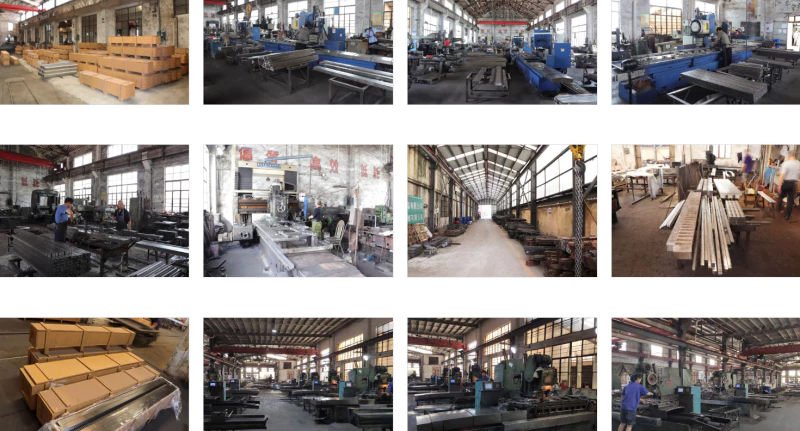
Our company specializes in the production and sales of high-quality aluminum gears. Our products have several advantages:
High-Quality Materials
Our aluminum gears are made of high-quality materials and undergo rigorous quality control to ensure optimal performance and reliability.
Customized Solutions
Our aluminum gears are available in various sizes and configurations to meet specific application requirements. We also provide customized solutions to meet unique customer needs.
Competitive Pricing
Our aluminum gears are competitively priced to provide the required performance and reliability at a reasonable cost.
Excellent After-Sales Service
We provide excellent after-sales service to ensure optimal performance and minimize downtime.
Expertise and Experience
Our team has expertise and experience in aluminum gear manufacturing and can provide technical support and advice to our customers.
Q&A
Q1: What are the advantages of using aluminum gears?
Aluminum gears are lightweight, have high strength, corrosion resistance, low noise, and high machinability.
Q2: What factors contribute to aluminum gear failure?
The most common causes of aluminum gear failure are fatigue failure, wear failure, and overload failure.
Q3: What should be considered when selecting an aluminum gear?
The gear’s operating conditions, load requirements, material selection, design optimization, supplier and after-sales service, cost-effectiveness, and quality control should be considered.
Q4: How can aluminum gear failure be prevented?
Aluminum gear failure can be prevented by conducting regular equipment inspections, cleaning and corrosion prevention, lubrication and maintenance, and upgrading worn or damaged parts.
Q5: Why choose aluminum gears over other gear materials?
Aluminum gears are less expensive, lightweight, have a high strength-to-weight ratio, corrosion-resistant, and have high machinability.
Author: Dream