aluminum gear machining

Aluminum Gear Machining
Aluminum gear machining is a process of manufacturing gears using aluminum as the main material. It involves various techniques and equipment to shape and cut the gears according to specific requirements.
Informational Relationship between Aluminum Gear Machining and Aluminum Gear
Aluminum gear machining plays a crucial role in the production of aluminum gears. It ensures precise dimensions, smooth surfaces, and excellent mechanical properties of the gears. The image below shows an example of an aluminum gear produced through machining.

Performance Characteristics of Aluminum Gear
- Lightweight: Aluminum gears offer a significant weight advantage, making them suitable for applications where weight reduction is essential.
- High strength-to-weight ratio: Despite their lightweight nature, aluminum gears possess excellent strength and durability.
- Corrosion resistance: Aluminum gears exhibit good resistance to corrosion, ensuring their longevity even in harsh environments.
- Heat dissipation: Due to their high thermal conductivity, aluminum gears efficiently dissipate heat, preventing overheating issues.
- Low noise operation: Aluminum gears produce minimal noise during operation, contributing to a quieter working environment.
Types and Advantages of Aluminum Gear
Aluminum gears are available in various types, each with its distinct characteristics:

1. Spur Gears:
Spur gears are the most common type of aluminum gear, known for their simplicity and efficiency in transmitting rotational motion between parallel shafts.
2. Helical Gears:
Helical gears have angled teeth that gradually engage, resulting in smoother and quieter operation compared to spur gears. They offer increased load-carrying capacity.
3. Worm Gears:
Worm gears consist of a worm screw and a gear wheel. They provide high gear ratios and are suitable for applications requiring significant speed reduction.
4. Bevel Gears:
Bevel gears have conically shaped teeth and are used to transmit motion between intersecting shafts. They offer high efficiency and are commonly used in automotive differentials.
5. Rack and Pinion Gears:
Rack and pinion gears convert rotational motion into linear motion. They are commonly used in steering systems and other applications requiring precise linear movement.
Aluminum gears, regardless of their type, offer several advantages:
- Excellent machinability: Aluminum is easy to machine, allowing for efficient and cost-effective production of gears.
- Low inertia: Aluminum gears have low inertia, enabling quick start-stop operations and reducing energy consumption.
- Good wear resistance: Aluminum gears can withstand wear and tear, ensuring long-lasting performance.
- Design flexibility: Aluminum gears can be easily customized to meet specific design requirements.
- Cost-effective: Aluminum gears are relatively affordable compared to gears made from other materials.
Applications of Aluminum Gear
Aluminum gears find extensive applications in various industries:
1. Automotive Industry:
Aluminum gears are commonly used in automotive transmissions, steering systems, and engine components. They contribute to lightweight vehicle designs and improved fuel efficiency.
2. Aerospace Industry:
Aluminum gears play a crucial role in aircraft engines, landing gear systems, and control mechanisms. They provide the necessary strength while keeping the weight of aircraft components to a minimum.
3. Industrial Machinery:
Aluminum gears are widely used in industrial machinery such as conveyors, pumps, and compressors. Their lightweight nature and excellent mechanical properties make them suitable for various motion transmission applications.
4. Medical Equipment:
In the medical field, aluminum gears are utilized in medical devices and equipment where precision and reliability are crucial. They are commonly found in imaging systems, surgical instruments, and diagnostic devices.
5. Energy Sector:
Aluminum gears are integral to renewable energy systems such as wind turbines and solar tracking systems. They help in converting and transmitting mechanical power efficiently.
Future Development and Opportunities of Aluminum Gear Products
The aluminum gear industry is expected to witness significant growth in the coming years. The increasing demand for lightweight and energy-efficient solutions across various industries is driving the adoption of aluminum gears.

To capitalize on the opportunities, the industry should focus on the following:
- Investing in advanced machining technologies to improve gear quality and production efficiency.
- Developing innovative aluminum alloys with enhanced mechanical properties for gear manufacturing.
- Expanding the application areas of aluminum gears through research and development.
- Collaborating with other industries to explore new gear design possibilities and applications.
- Providing comprehensive training programs to gear manufacturers and promoting knowledge sharing within the industry.
How to Select the Right Aluminum Gear
Choosing the correct aluminum gear involves considering various factors:

1. Clearly Define Requirements:
Identify the specific performance characteristics, load requirements, and environmental conditions for the gear application.
2. Material Selection:
Choose the appropriate aluminum alloy based on the desired strength, durability, and corrosion resistance.
3. Design Optimization:
Optimize the gear design to ensure efficient power transmission, minimize noise, and reduce wear.
4. Supplier and After-Sales Service:
Select a reliable gear manufacturer who offers high-quality products and excellent after-sales support.
5. Cost-effectiveness:
Evaluate the overall cost-effectiveness of the aluminum gear, considering factors such as initial cost, maintenance, and operational efficiency.
Maintenance of Aluminum Gear
Proper maintenance ensures the longevity and optimal performance of aluminum gears:
- Regular Equipment Inspection: Conduct routine checks to identify any signs of wear, misalignment, or damage.
- Cleaning and Corrosion Prevention: Keep the gears clean and apply appropriate corrosion protection measures.
- Lubrication and Maintenance: Use suitable lubricants and perform regular maintenance to minimize friction and ensure smooth operation.
- Replacement of Worn Parts: Replace any worn or damaged gear components to prevent performance issues and ensure reliability.
- Improvement and Upgrades: Continuously assess gear performance and explore opportunities for improvement or upgrading.
Why Choose Us
Author: Dream
At [Company Name], we are dedicated to providing high-quality aluminum gears for various industries. Here are five compelling reasons to choose our products and company:
- Extensive Industry Experience: With over [XX] years of experience, we have gained extensive knowledge and expertise in aluminum gear manufacturing.
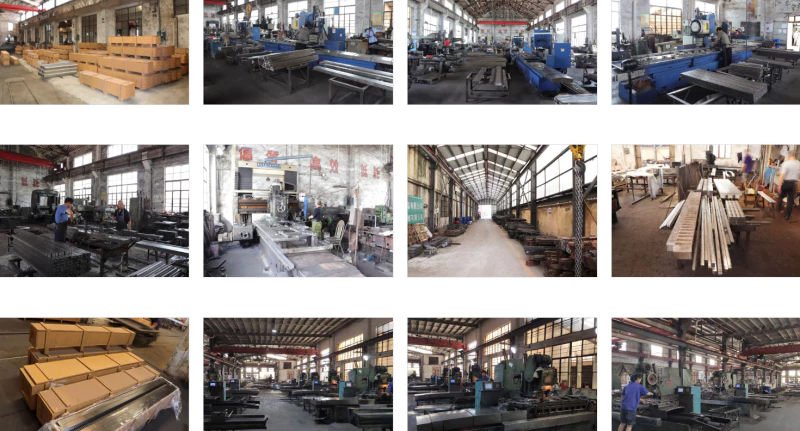
- Advanced Machining Technologies: Our state-of-the-art machining equipment ensures precise and efficient production of aluminum gears.
- Customization Capabilities: We offer tailored solutions to meet specific customer requirements, including customized gear designs and materials.
- Strict Quality Control: Our rigorous quality control processes ensure that every gear leaving our facility meets the highest standards of performance and reliability.
- Exceptional Customer Service: We prioritize customer satisfaction and provide excellent after-sales support to address any queries or concerns.
Q&A
Q1: What are the advantages of using aluminum gears over gears made from other materials?
A1: Aluminum gears offer a lightweight design, excellent machinability, good corrosion resistance, and low noise operation compared to gears made from other materials.
Q2: Can aluminum gears withstand high load conditions?
A2: Yes, aluminum gears have high strength-to-weight ratios, allowing them to withstand significant loads while maintaining durability.
Q3: Are aluminum gears suitable for high-speed applications?
A3: Yes, aluminum gears can be designed and optimized for high-speed applications while ensuring reliable and efficient power transmission.
Q4: How can I ensure the compatibility of an aluminum gear with my existing system?
A4: It is crucial to clearly define your requirements and work closely with our technical team to ensure the right gear design and specifications for seamless integration into your system.
Q5: Can I get customized aluminum gears for unique applications?
A5: Absolutely! We offer customization services to meet specific design requirements and provide tailored aluminum gears for unique applications.