aluminum gear prototypes

Aluminum Gear Prototypes and their Relationship with Aluminum Gear
Aluminum gear prototypes are highly sought after in the engineering and manufacturing industry for their exceptional performance and durability. Aluminum gears, in general, are used in a wide range of applications across various industries like the automotive, aerospace, marine, robotics, and industrial machinery sectors. In this article, we will explore the properties of aluminum gear prototypes, their relationship with aluminum gears, their types and applications, and how to select and maintain them to maximize their life span.
Aluminum Gear Prototypes: Informational Overview
Aluminum gear prototypes are test models of gears made of aluminum before the final version is produced. They are used to evaluate the performance of a gear and identify any design flaws or defects before commencing mass production. Prototyping is essential for reducing production costs and ensuring product quality, making aluminum gear prototypes an indispensable part of the manufacturing process.

Aluminum Gear Prototypes and Aluminum Gear: Informational Relationship
Aluminum gear prototypes and aluminum gears share a common material, aluminum. Aluminum is an excellent material for gears due to its excellent strength-to-weight ratio, high heat resistance, and corrosion resistance. Aluminum gears are often used in applications where weight is a concern, and high torque is not required. Aluminum gear prototypes help manufacturers evaluate the performance of aluminum gears and identify ways to optimize the gear’s design for better performance and durability.
Properties of Aluminum Gear
Aluminum gears have several properties that make them a popular choice for various applications. Here are some of their essential features:
- Lightweight: Aluminum gears are lightweight, making them ideal for applications that require minimal added weight.
- Corrosion-resistant: Aluminum gears are highly resistant to corrosion, making them suitable for use in harsh environments.
- Good thermal conductivity: Aluminum gears have excellent thermal conductivity and can dissipate heat quickly, making them ideal for high-temperature applications.
- Quiet: Aluminum gears produce less noise than other types of gears, making them ideal for use in environments where noise is a concern.
- Cost-effective: Aluminum gears are relatively inexpensive compared to other types of gears, making them a popular choice for budget-conscious manufacturers.

Types and Characteristics of Aluminum Gear
Aluminum gears come in various types, each with its unique characteristics and features. Here are the common types of aluminum gears:
- Spur gears: Spur gears are the most common type of gear used in machinery. They have straight teeth that run parallel to the axis of the gear.
- Bevel gears: Bevel gears are used to transfer power between two rotating shafts that are not parallel to each other.
- Worm gears: Worm gears are used in applications that require high speed reduction and are often used in conveying systems.
- Rack and pinion gears: Rack and pinion gears are used to convert rotary motion into linear motion.
Each type of aluminum gear has its unique characteristics and features that make them ideal for different applications. For example, spur gears are ideal for applications that require high-speed rotation, while bevel gears are suitable for applications that require power transmission between non-parallel shafts.
Applications of Aluminum Gear
Aluminum gears find use in various industries and applications. Here are some of the most common areas where aluminum gears are used:
- Automotive: Aluminum gears are used in the transmission systems of vehicles to transfer power from the engine to the wheels.
- Aerospace: Aluminum gears are used in the aerospace industry for their lightweight and high strength properties. They are used in various components of aircraft like landing gear, engine systems, and flight control systems.
- Robotics: Aluminum gears are used in robotic systems for their lightweight and durability properties. They are used in components like robotic arms, joints, and sensors.
- Industrial machinery: Aluminum gears find use in various industrial machinery like conveyor systems, pumps, and compressors.
- Marine engineering: Aluminum gears are used in various marine applications like propeller systems, winches, and anchor handling systems.
The Future of Aluminum Gear
With the increasing demand for lightweight and efficient gears, aluminum gears’ future is bright. Manufacturers are continually looking for ways to optimize the design and performance of aluminum gears to make them more efficient and durable. The use of advanced technologies like computer-aided design (CAD) and computer-aided manufacturing (CAM) is making it possible to produce aluminum gears with complex designs and high precision. The future of aluminum gears is exciting, with more applications and innovations yet to come.

How to Choose the Right Aluminum Gear
Choosing the right aluminum gear depends on several factors. Here are some considerations to keep in mind when selecting the right aluminum gear:
- Define your needs: Determine your specific requirements before choosing an aluminum gear. Consider the application, load, torque, and speed requirements.
- Material selection: Choose the right aluminum alloy based on the application’s specific requirements.
- Design optimization: Optimize the gear’s design to increase performance and durability.
- Supplier and after-sales service: Choose a reliable supplier who can provide after-sales support in case of any issues.
- Cost-effectiveness: Consider the overall cost-effectiveness of the gear, including maintenance costs and life span.

Aluminum Gear Maintenance
Proper maintenance is crucial for maximizing the life span of aluminum gears. Here are some maintenance tips:
- Regular inspection: Regularly inspect the gears for wear and tear, damage, and other issues that may affect their performance.
- Cleaning and anti-corrosion: Clean the gears regularly and apply anti-corrosion measures to prevent rust and other forms of corrosion.
- Lubrication and servicing: Lubricate the gears regularly to prevent friction and wear and carry out servicing as required.
- Replace worn-out parts: Replace worn-out parts as soon as possible to prevent further damage to the gears.
- Upgrading: Consider upgrading the gears as required to improve their performance and durability.
Why Choose Ever Power
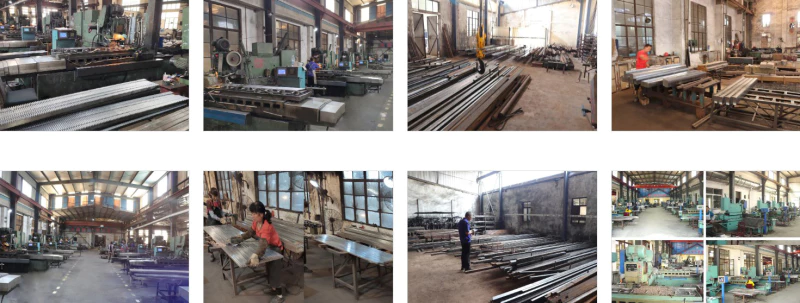
Ever Power is a leading manufacturer and supplier of aluminum gears and gearboxes. Our products are designed and manufactured to the highest standards using advanced technologies and high-quality materials. Here are some reasons to choose Ever Power:
- Diverse product range: We offer a wide range of aluminum gears and gearboxes to choose from.
- Quality assurance: Our products undergo rigorous quality control checks to ensure superior quality and performance.
- Advanced technology: We use advanced technologies like CAD and CAM to produce high-quality gears with complex designs.
- Customization: We offer customization options to meet specific customer requirements.
- Excellent customer service: We provide excellent customer service and after-sales support to ensure customer satisfaction.
Q&A
1. What is an Aluminum Gear Prototype?
An aluminum gear prototype is a test model of a gear made of aluminum that is used to evaluate the performance of a gear and identify any design flaws or defects before commencing mass production.
2. What are the properties of aluminum gear?
Aluminum gears have several properties that make them a popular choice for various applications. These include lightweight, corrosion-resistant, good thermal conductivity, quiet operation, and cost-effectiveness.
3. What are the common types of aluminum gears?
The common types of aluminum gears are spur gears, bevel gears, worm gears, and rack and pinion gears.
4. What are the applications of aluminum gear?
Aluminum gears find use in various industries and applications like the automotive, aerospace, marine, robotics, and industrial machinery sectors.
5. How to choose the right aluminum gear?
Choosing the right aluminum gear depends on several factors like defining your needs, material selection, design optimization, supplier and after-sales service, and cost-effectiveness.
Author: Dream