aluminum gear reverse engineering

Aluminum Gear Reverse Engineering
Introduction
Aluminum gear reverse engineering is the process of examining an existing aluminum gear to determine its design, manufacturing, and operational characteristics. By taking apart and analyzing an aluminum gear, engineers and manufacturers can replicate the gear or create a new design based on the original gear’s specifications and performance.
Aluminum Gear Reverse Engineering and Aluminum Gear
Aluminum gear reverse engineering is essential for understanding the design and function of aluminum gears. By examining an existing gear, engineers and manufacturers can gain insights into the gear’s performance, including its load-carrying capacity, durability, and wear characteristics.

Reverse engineering an aluminum gear can also help identify opportunities for design optimization to improve the gear’s performance or reduce its cost of production. By understanding the design and function of an aluminum gear, engineers and manufacturers can create new gears with improved features and specifications.
Aluminum Gear Performance Characteristics
- Lightweight: Aluminum gears are much lighter than their steel counterparts, making them ideal for applications where weight is a critical factor.
- High Strength: Despite their lightweight, aluminum gears have excellent strength and durability, making them suitable for demanding applications.
- Corrosion Resistance: Aluminum gears are highly resistant to corrosion, making them ideal for use in marine and other harsh environments.
- Noise Reduction: Aluminum gears generate less noise than steel gears, making them ideal for applications where noise reduction is critical.
- Cost-Effective: Aluminum gears are less expensive to produce than steel gears, making them an attractive option for cost-conscious manufacturers.
Types and Characteristics of Aluminum Gear
Aluminum gears come in various types, each with its unique characteristics. Spur gears, bevel gears, helical gears, and worm gears are some of the most common types of aluminum gears.

Spur gears have straight teeth and are the simplest type of gear. Bevel gears have angled teeth that allow them to change the direction of the gear’s rotational axis. Helical gears have angled teeth that allow for smoother and quieter operation. Worm gears consist of a worm that meshes with a gear, providing high torque and reducing the gear’s speed.
Applications of Aluminum Gear
Aluminum gears are used in various industries and applications, including:
- Automotive industry: Aluminum gears are used in transmissions, engines, and steering systems.
- Aerospace industry: Aluminum gears are used in aircraft engines, landing gear, and flight control systems.
- Robotics technology: Aluminum gears are used in robotic arms, joints, and other moving parts.
- Industrial machinery: Aluminum gears are used in pumps, compressors, and conveyor systems.
- Marine engineering: Aluminum gears are used in ship propulsion systems, winches, and cranes.
Future Trends and Opportunities for Aluminum Gear Products
As demand for lightweight, high-strength, and cost-effective components continues to grow, the future looks bright for aluminum gear products. Manufacturers are exploring new design and manufacturing techniques to improve the performance and reduce the cost of aluminum gears. Additionally, advancements in materials science are yielding new aluminum alloys with improved performance characteristics, opening up new opportunities for aluminum gear applications.

How to Choose the Right Aluminum Gear
Choosing the right aluminum gear requires considering several factors, including:
- Clear needs: Define the gear’s specifications, including the load-carrying capacity, speed, and durability required for the application.
- Material selection: Choose the appropriate aluminum alloy for the gear, considering factors such as strength, durability, and corrosion resistance.
- Design optimization: Optimize the gear’s design to maximize its performance and minimize its cost of production.
- Supplier and after-sales service: Choose a reliable supplier that offers excellent after-sales service, including warranties and technical support.
- Cost-effectiveness: Consider the total cost of ownership, including the gear’s purchase price, maintenance costs, and downtime.

Maintenance of Aluminum Gear
Maintaining aluminum gear requires regular inspection, cleaning, lubrication, and replacement of worn parts. Regular maintenance can extend the gear’s lifespan, improve its performance, and prevent costly downtime.
Why Choose Ever Power
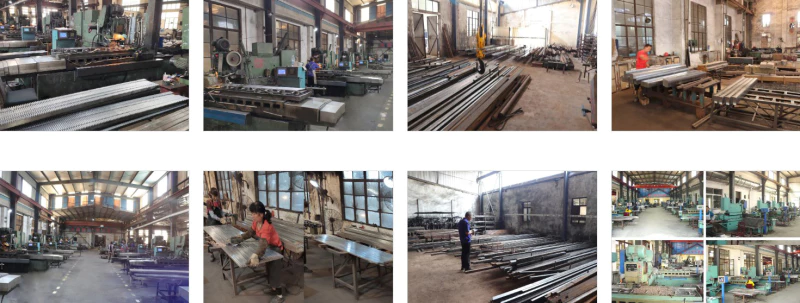
Ever Power is a leading manufacturer and supplier of high-quality aluminum gear products. Our products are designed and manufactured using state-of-the-art technology and the highest quality materials to ensure superior performance and durability. Here are some reasons to choose Ever Power:
- High-Quality Products: Our products are made from high-quality aluminum alloys that offer superior strength, durability, and corrosion resistance.
- Custom Solutions: We specialize in providing custom solutions to meet our customers’ unique needs and specifications.
- Competitive Pricing: We offer competitive pricing and excellent value for our products.
- Technical Expertise: Our team of experts has extensive knowledge and experience in designing and manufacturing aluminum gears.
- Excellent Customer Service: We provide exceptional customer service, including technical support, warranties, and after-sales service.
Q&A
1. What materials are commonly used to manufacture aluminum gears?
2. What are the advantages of using aluminum gears over steel gears?
3. What factors should be considered when choosing an aluminum gear?
4. What industries use aluminum gears?
5. What is the process of aluminum gear reverse engineering?