aluminum gear set

Aluminum Gear Set

Introduction
The aluminum gear set is a crucial component in various industries, known for its exceptional performance and durability. In this article, we will explore the characteristics, applications, and advantages of aluminum gears, highlighting their significance in commercial settings.
Commercial Applications
Aluminum gears have found widespread use in commercial applications, such as:
- Automotive Industry
- Aerospace Industry
- Industrial Machinery
- Medical Equipment
- Energy Sector
Automotive Industry
In the automotive industry, aluminum gears play a vital role in ensuring smooth and efficient power transmission. The lightweight nature of aluminum gears contributes to improved fuel efficiency and reduced overall weight of the vehicle.
Aerospace Industry
Aluminum gears are extensively used in the aerospace industry due to their high strength-to-weight ratio. They provide reliable performance while minimizing the weight of aircraft components, contributing to enhanced fuel efficiency and maneuverability.
Industrial Machinery
In industrial machinery, aluminum gears offer excellent resistance to corrosion and wear, making them suitable for heavy-duty applications. Their durability and reliability ensure optimal performance even in demanding operating conditions.
Medical Equipment
Aluminum gears find application in medical devices where precision and cleanliness are crucial. Their lightweight yet robust construction allows for smooth operation and reduces the risk of contamination in sterile environments.
Energy Sector
In the energy sector, aluminum gears are used in various renewable energy systems, such as wind turbines and solar panels. Their high strength and resistance to corrosion make them ideal for withstanding the harsh environmental conditions associated with these applications.

Types of Aluminum Gear
Aluminum gears come in various types, each with its unique characteristics and advantages. Some common types include:
- Spur Gears
- Helical Gears
- Bevel Gears
- Worm Gears
Each type of aluminum gear offers specific benefits depending on the application requirements. For example:
- Spur gears provide high efficiency and precise power transmission.
- Helical gears offer smooth and quiet operation, ideal for applications with high loads.
- Bevel gears allow for power transmission between non-parallel intersecting shafts.
- Worm gears provide high gear reduction ratios and are suitable for applications requiring self-locking capabilities.
Future Development and Opportunities
The aluminum gear industry is expected to witness significant growth in the coming years. Some key trends and opportunities include:
- Advancements in aluminum alloy formulations, leading to improved gear performance.
- Increasing demand for lightweight and energy-efficient solutions in various industries.
- Rising adoption of automation and robotics, driving the need for precision gears.
To capitalize on these opportunities, companies should focus on research and development, forging partnerships with key industry players, and continuously improving manufacturing processes.

Choosing the Right Aluminum Gear
When selecting an aluminum gear, several factors need to be considered:
- Clearly define your specific requirements and performance expectations.
- Select the appropriate aluminum alloy based on the desired strength, durability, and corrosion resistance.
- Optimize the gear design to ensure efficient power transmission and minimize noise and vibration.
- Collaborate with reliable suppliers offering high-quality gears and comprehensive after-sales support.
- Weigh the cost-effectiveness of the gear solution against its expected lifespan and performance.
- Implement rigorous quality control measures to ensure consistent gear performance and reliability.
Maintenance of Aluminum Gear
Proper maintenance of aluminum gears is crucial for ensuring longevity and optimal performance. Consider the following maintenance practices:
- Regularly inspect the gear system for any signs of wear, damage, or misalignment.
- Clean and protect gears from corrosion using appropriate cleaning agents and coatings.
- Apply lubrication to reduce friction and ensure smooth gear operation.
- Replace worn-out gear components promptly to prevent further damage to the system.
- Continuously improve and upgrade the gear system to enhance performance and efficiency.
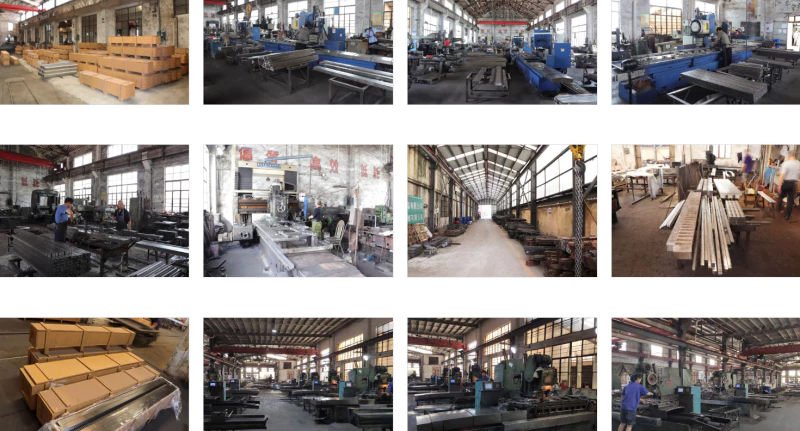
Why Choose Us
At [Company Name], we specialize in the manufacturing and sale of high-quality aluminum gears. Our products and company offer several advantages:
- Extensive industry experience and expertise in producing top-notch aluminum gears.
- Advanced manufacturing facilities equipped with state-of-the-art technology.
- Strict quality control measures to ensure impeccable gear performance and reliability.
- Customization options to meet specific customer requirements.
- Comprehensive after-sales support, including technical assistance and prompt customer service.
We are committed to delivering superior products that exceed customer expectations and foster long-term partnerships.
Q&A
- Q: What materials are commonly used in the production of aluminum gears?
- Q: Can aluminum gears be used in high-temperature environments?
- Q: Are aluminum gears suitable for heavy-load applications?
- Q: Do aluminum gears require special surface treatments?
- Q: How can I ensure the compatibility of aluminum gears with other components?
A: Aluminum alloy compositions, such as 6061 and 7075, are commonly used in the production of aluminum gears due to their excellent strength and lightweight properties.
A: Yes, certain aluminum alloys, such as 7075-T6, exhibit excellent heat resistance and can withstand high-temperature applications.
A: Yes, aluminum gears can be designed and manufactured to handle heavy-load applications by optimizing the gear design and selecting appropriate alloy compositions.
A: Depending on the specific application requirements, aluminum gears may undergo surface treatments such as anodizing or coating to enhance their corrosion resistance and surface hardness.
A: Prior to installation, it is essential to verify the compatibility of aluminum gears with other components, considering factors such as gear module, tooth profile, and shaft diameter.
Author: Dream