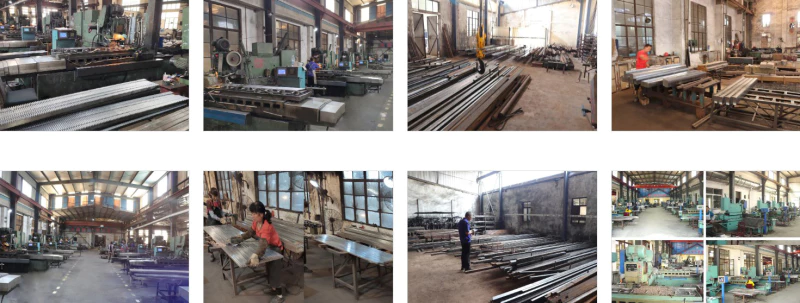
aluminum gear testing

Aluminum Gear Testing
Introduction
Aluminum gear testing is an essential process in the field of mechanical engineering. It involves examining the performance, durability, and reliability of gears made from aluminum material. This article explores the significance of aluminum gear testing and its relationship with aluminum gears.
Importance of Aluminum Gear Testing
Aluminum gear testing plays a crucial role in ensuring the functionality and safety of gear systems. It allows manufacturers to assess the performance limits, efficiency, and failure points of aluminum gears through rigorous testing procedures. By identifying potential issues, engineers can make necessary modifications and improvements to enhance the overall performance and reliability of aluminum gears.
Types and Characteristics of Aluminum Gears
Aluminum gears come in various types, each with its unique characteristics and advantages. The most common types of aluminum gears include spur gears, helical gears, bevel gears, and worm gears. These gears offer lightweight, high strength, and excellent corrosion resistance, making them suitable for a wide range of applications.
Spur Gears
Spur gears are the simplest and most common type of aluminum gears. They have straight teeth and are used in applications where speed reduction or increase is required, such as conveyor systems and power transmission.
Helical Gears
Helical gears have angled teeth that gradually engage, resulting in smoother and quieter operation compared to spur gears. They are commonly used in automotive transmissions and industrial machinery.
Bevel Gears
Bevel gears have conical-shaped teeth that allow the transmission of motion between intersecting shafts. They are often found in applications where changes in direction or torque are needed.
Worm Gears
Worm gears consist of a worm screw and a gear wheel. They offer high gear ratios and are commonly used in applications requiring precise motion control, such as elevators and robotic systems.
Applications of Aluminum Gears
Aluminum gears find extensive use in various industries due to their unique properties. Here are some notable applications of aluminum gears:
- Automotive Industry: Aluminum gears are used in car transmissions and engine systems to improve fuel efficiency and reduce weight.
- Aerospace Industry: Aluminum gears are used in aircraft engines and landing gear systems, providing lightweight and reliable performance.
- Robotics: Aluminum gears are critical components in robotic systems, enabling precise movement and control.
- Industrial Machinery: Aluminum gears are widely used in industrial machinery for power transmission and motion control.
- Marine Engineering: Aluminum gears are used in marine propulsion systems, providing corrosion resistance and durability in harsh marine environments.
Future Trends and Opportunities
The aluminum gear industry is expected to witness significant growth in the coming years. Advancements in materials science and manufacturing processes will lead to the development of even lighter and more efficient aluminum gears. Additionally, the increasing demand for electric vehicles and renewable energy systems will create new opportunities for aluminum gear manufacturers.
Selecting the Right Aluminum Gear
Choosing the correct aluminum gear requires careful consideration of several factors:
- Clear Requirements: Clearly define the specifications and performance requirements for the gear system.
- Material Selection: Select the appropriate aluminum alloy based on factors such as strength, weight, and corrosion resistance.
- Design Optimization: Optimize the gear design for maximum efficiency and durability.
- Supplier and After-Sales Service: Choose a reliable supplier that offers quality products and excellent after-sales service.
- Cost-Effectiveness: Evaluate the cost-effectiveness of the gear system in terms of performance and durability.
- Quality Control: Ensure rigorous quality control measures are in place to maintain consistent gear performance.
Maintenance of Aluminum Gears
To ensure the longevity and optimal performance of aluminum gears, proper maintenance is essential:
- Regular Equipment Inspection: Conduct routine inspections to identify any signs of wear, damage, or misalignment.
- Cleaning and Corrosion Prevention: Clean the gears regularly and apply appropriate corrosion prevention methods.
- Lubrication and Maintenance: Use suitable lubricants and perform scheduled maintenance to reduce friction and prevent failure.
- Replacement of Worn Parts: Replace worn or damaged gear components promptly to avoid further damage to the system.
- Improvement and Upgrades: Continuously seek opportunities for improvement and consider upgrading gears for enhanced performance.
Why Choose Ever Power
As a leading manufacturer and supplier of aluminum gears, Ever Power offers superior products and services. Here are some reasons to choose Ever Power:
- High-Quality Products: Our aluminum gears are made from top-grade materials, ensuring durability and reliability.
- Customization Options: We provide tailored solutions to meet specific customer requirements and applications.
- Advanced Manufacturing Technology: Our state-of-the-art manufacturing facilities utilize the latest technology for precise and efficient gear production.
- Expertise and Experience: With years of experience in the industry, our team of professionals ensures the highest quality standards and technical expertise.
- Excellent Customer Support: We pride ourselves on delivering exceptional customer service and after-sales support, ensuring customer satisfaction.
Q&A
1. Q: Are aluminum gears suitable for high-load applications?
A: While aluminum gears offer lightweight and corrosion resistance, they may not be suitable for extremely high-load applications due to their relatively lower strength compared to steel gears.
2. Q: Can aluminum gears replace steel gears in all applications?
A: Aluminum gears have their advantages, but they may not be suitable for all applications. Factors such as load capacity, operating conditions, and required durability should be considered when selecting gears.
3. Q: How can I improve the performance of aluminum gears?
A: Performance can be enhanced through careful design optimization, material selection, and regular maintenance practices, ensuring proper lubrication and replacing worn components.
4. Q: Are aluminum gears more cost-effective than other materials?
A: Aluminum gears can offer cost advantages due to their lightweight and ease of manufacturing. However, the overall cost-effectiveness depends on specific application requirements and the total life cycle of the gear system.
5. Q: Can aluminum gears be used in underwater applications?
A: Yes, aluminum gears with appropriate surface treatments and corrosion prevention methods can be used in underwater applications, providing reliable performance and longevity.
Author: Dream