aluminum gear vs brass

Aluminum Gear vs Brass
Introduction
Aluminum gear and brass gear are two commonly used materials in the field of mechanical engineering. This article aims to explore the differences and similarities between aluminum gear and brass gear, as well as their relationship with Aluminum gear based on investigational findings.
Aluminum Gear vs Brass Gear
Aluminum gear and brass gear are both widely used in various applications due to their unique characteristics. The choice between the two depends on specific requirements and considerations. Let’s delve deeper into their properties:
1. Material Composition
Aluminum gear is primarily composed of aluminum alloy, which provides excellent lightweight properties and high corrosion resistance. On the other hand, brass gear is predominantly made of copper and zinc, offering good strength and wear resistance.
2. Mechanical Properties
Aluminum gear possesses a lower density compared to brass gear, making it ideal for applications that require weight reduction. It also exhibits good thermal conductivity and is non-magnetic. Brass gear, on the other hand, has better machinability and higher tensile strength.
3. Application-Specific Advantages
Aluminum gear finds extensive use in industries such as automotive, aerospace, robotics, industrial machinery, and marine engineering. Its lightweight nature and corrosion resistance make it suitable for reducing fuel consumption in automobiles and enhancing performance in aerospace applications.
4. Types and Characteristics of Aluminum Gear
There are various types of Aluminum gear available, each with its unique characteristics. Some common types include spur gears, helical gears, bevel gears, and worm gears. Each type offers specific advantages depending on the intended application. For example, spur gears provide high efficiency, helical gears offer smooth operation, bevel gears allow for power transmission at different angles, and worm gears provide high gear ratios.
5. Advantages of Aluminum Gear
Aluminum gear possesses several advantages over other materials. These include:
- Lightweight construction, reducing overall system weight
- Corrosion resistance, ensuring durability in harsh environments
- High thermal conductivity, aiding in heat dissipation
- Non-magnetic properties, preventing interference with sensitive equipment
- Cost-effective manufacturing and availability
Aluminum Gear Applications in Various Industries
Aluminum gear finds widespread use in the following industries:
- Automotive: Aluminum gear is utilized in transmissions, differentials, and engine components to improve efficiency and reduce weight.
- Aerospace: The lightweight properties of Aluminum gear make it essential in aircraft engines, landing gear systems, and flight control mechanisms.
- Robotics: Aluminum gear enables precise control and efficient power transmission in robotic systems.
- Industrial Machinery: Aluminum gear is employed in various industrial machinery, including conveyor systems, packaging equipment, and machine tools.
- Marine Engineering: The corrosion-resistant nature of Aluminum gear makes it suitable for marine applications, such as ship propulsion systems and winches.
Future Trends and Opportunities
The Aluminum gear industry is expected to witness significant growth in the coming years. Some potential trends and opportunities include:
- Advancements in aluminum alloy formulations for improved strength and durability
- Innovative gear designs to enhance efficiency and reduce noise
- Increased demand for lightweight and energy-efficient solutions in various industries
- Integration of Aluminum gear with emerging technologies like IoT and automation
- Exploration of new applications in renewable energy and electric vehicles
Choosing the Right Aluminum Gear
When selecting the appropriate Aluminum gear, several factors should be considered:
- Clearly define the specific requirements and performance expectations
- Choose the appropriate aluminum alloy based on strength, weight, and corrosion resistance
- Optimize gear design for efficiency and reliability
- Select reliable suppliers offering quality products and excellent after-sales service
- Consider the overall cost-effectiveness, including manufacturing, maintenance, and lifecycle costs
- Implement stringent quality control measures to ensure product reliability
Maintenance of Aluminum Gear
Proper maintenance is crucial for the longevity and optimal performance of Aluminum gear. Key maintenance practices include:
- Regular equipment inspections to identify any signs of wear or damage
- Thorough cleaning and anti-corrosion treatments to prevent degradation
- Lubrication to minimize friction and ensure smooth operation
- Replacement of worn-out components to maintain gear performance
- Continuous improvement and upgrades to adapt to evolving requirements
Why Choose Ever Power
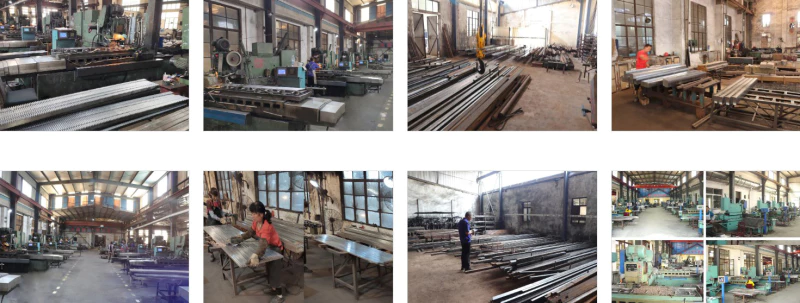
At Ever Power, we specialize in the production and sale of high-quality Aluminum gear. Our products offer the following advantages:
- Exceptional durability and reliability
- Optimal performance in various applications
- Customizable designs to suit specific requirements
- Extensive industry experience and expertise
- Excellent customer support and after-sales service
Contact us today to explore how our Aluminum gear can benefit your business and discuss potential collaboration opportunities!
Q&A
Q1: Can Aluminum gear be used in high-load applications?
A1: Yes, Aluminum gear can be designed and manufactured to handle high loads by selecting appropriate alloy compositions and implementing robust gear designs.
Q2: What are the advantages of using Aluminum gear in the automotive industry?
A2: Aluminum gear in the automotive industry offers weight reduction, improved fuel efficiency, and enhanced performance due to its lightweight nature and corrosion resistance.
Q3: Is lubrication necessary for Aluminum gear?
A3: Yes, lubrication is essential for Aluminum gear to minimize friction, reduce wear, and ensure smooth operation.
Q4: Can Aluminum gear withstand high temperatures?
A4: The thermal conductivity of Aluminum gear allows it to dissipate heat effectively, making it suitable for applications that involve high temperatures.
Q5: What industries can benefit from Aluminum gear?
A5: Aluminum gear finds applications in various industries, including automotive, aerospace, robotics, industrial machinery, and marine engineering.
Author: Dream