aluminum gear vs bronze gear

Aluminum Gear vs Bronze Gear: Which is Better?
When it comes to mechanical gears, choosing the right material is crucial to ensure the gear’s durability, performance, and overall quality. Two popular materials for gears are aluminum and bronze. In this article, we will compare aluminum gear vs bronze gear and discuss their differences, advantages, and applications.
Aluminum Gear vs Bronze Gear: The Comparison
Aluminum and bronze are both popular materials for gears. However, they have different properties that make them suitable for different applications. Here are the main differences between aluminum gear vs bronze gear:
Material Properties
Aluminum is a lightweight metal that offers excellent strength, corrosion resistance, and thermal conductivity. It is also easy to machine and has good dimensional stability. On the other hand, bronze is an alloy of copper and tin, which offers good wear resistance, high strength, and excellent corrosion resistance.
Cost
Aluminum is generally less expensive than bronze, making it a cost-effective option for many applications. However, the cost of aluminum can vary depending on the alloy and production method. Bronze, on the other hand, is more expensive than aluminum due to its higher copper content.
Noise and Vibration
Aluminum gears tend to produce less noise and vibration than bronze gears, making them ideal for precision applications. Bronze gears, on the other hand, can produce more noise and vibration due to their higher density and stiffness.
Wear Resistance
Bronze gears offer excellent wear resistance, which makes them suitable for heavy-duty applications or applications that require frequent use. Aluminum gears, on the other hand, can wear more quickly than bronze gears but can be coated for improved wear resistance.
Overall, the choice between aluminum gear vs bronze gear depends on the specific application and its requirements. Both materials offer unique properties and benefits that make them suitable for various applications.
Aluminum Gear vs Bronze Gear: The Informational Connection to Aluminum Gear

Aluminum gears have become increasingly popular in various industries due to their unique properties and benefits. Here are some of the reasons why aluminum gears are preferred over other materials:
Lightweight and Strong
Aluminum gears are much lighter than steel or brass gears while still providing excellent strength and durability. This makes them ideal for applications where weight reduction is critical, such as in the aerospace and automotive industries.
Corrosion Resistance
Aluminum gears are highly resistant to corrosion, making them ideal for use in harsh environments or applications where exposure to moisture or chemicals is a concern.
Low Noise and Vibration
Aluminum gears produce less noise and vibration than other gear materials, making them ideal for precision applications such as robotics, medical equipment, and audio equipment.
High Thermal Conductivity
Aluminum gears have excellent thermal conductivity, which means they can dissipate heat quickly and efficiently. This makes them ideal for high-temperature applications or applications that require thermal management.
Overall, aluminum gears offer a range of benefits that make them suitable for various applications. Their lightweight, corrosion resistance, low noise and vibration, and high thermal conductivity make them ideal for industries such as aerospace, automotive, robotics, and audio equipment.
Aluminum Gear Types and Characteristics

Aluminum gears come in various types, each with unique properties and characteristics. Here are some of the most common types of aluminum gears:
Spur Gears
Spur gears are the most common type of gear and have straight teeth that run parallel to the gear’s axis. They are often used in machinery and automotive transmissions.
Helical Gears
Helical gears have teeth that are angled, creating a helix shape. This design allows them to transmit power more smoothly and quietly than spur gears. They are commonly used in automotive and industrial applications.
Bevel Gears
Bevel gears have teeth that are cut at an angle to the gear’s face. They are used to transmit power between intersecting shafts, such as in automotive differentials.
Worm Gears
Worm gears consist of a worm and a worm wheel and are used to transmit power at a right angle. They are commonly used in industrial machinery and equipment.
Each type of aluminum gear has unique properties and characteristics that make them suitable for different applications. For example, spur gears are ideal for high-speed applications, while bevel gears are ideal for power transmission between intersecting shafts.
Aluminum Gear Applications in Various Industries
Aluminum gears are used in various industries due to their unique properties and benefits. Here are some of the most common applications of aluminum gears in different industries:
Automotive Industry
Aluminum gears are used in automotive transmissions, differentials, and steering systems due to their lightweight and corrosion resistance. They help improve fuel efficiency and reduce emissions, making them ideal for modern automotive applications.
Aerospace Industry
Aluminum gears are used in aircraft engines, landing gear systems, and flight control systems due to their lightweight and high strength. They help improve fuel efficiency and reduce weight, making them ideal for aircraft applications.
Industrial Machinery
Aluminum gears are used in industrial machinery and equipment due to their lightweight, corrosion resistance, and low noise and vibration. They are ideal for high-speed applications and applications that require precision and durability.
Medical Equipment
Aluminum gears are used in medical equipment such as surgical instruments and imaging devices due to their lightweight, low noise, and vibration. They help improve patient comfort and reduce operator fatigue.
Energy Industry
Aluminum gears are used in wind turbines, solar panels, and other renewable energy systems due to their lightweight and thermal conductivity. They help improve energy efficiency and reduce costs, making them ideal for renewable energy applications.
Overall, aluminum gears play a vital role in various industries due to their unique properties and benefits. Their lightweight, corrosion resistance, low noise and vibration, and high thermal conductivity make them ideal for modern applications that require precision, durability, and efficiency.
Aluminum Gear Trends and Opportunities

Aluminum gears are one of the fastest-growing segments in the global gear market, driven by the demand for lightweight and high-performance gears in various industries. Here are some of the trends and opportunities in the aluminum gear market:
Advancements in Material Science
New materials and alloys are being developed to improve the strength, wear resistance, and thermal conductivity of aluminum gears. These advancements will open up new applications and markets for aluminum gears.
Increased Automation
The rise of automation in various industries is driving the demand for precision gears that can operate at high speeds and with minimal noise and vibration. Aluminum gears are well-suited for these applications, making them an attractive option for OEMs and end-users.
Growing Renewable Energy Market
The increasing adoption of renewable energy systems such as wind turbines and solar panels is driving the demand for lightweight and efficient gears. Aluminum gears are ideal for these applications due to their lightweight and thermal conductivity, creating significant opportunities for aluminum gear manufacturers.
Overall, the aluminum gear market is poised for significant growth in the coming years, driven by the demand for lightweight, durable, and high-performance gears in various industries.
How to Choose the Right Aluminum Gear

Choosing the right aluminum gear for your application is crucial to ensure optimal performance and durability. Here are some factors to consider when selecting an aluminum gear:
Clarify Your Requirements
Before selecting an aluminum gear, you need to clarify your requirements, such as the gear’s pitch diameter, tooth profile, and torque requirements. This will help you select the right gear for your application.
Material Selection
When selecting an aluminum gear, you need to consider the specific aluminum alloy that will be used. Different alloys offer different strength, wear resistance, and thermal conductivity properties, so it’s crucial to select the right alloy for your application.
Design Optimization
Optimizing the gear’s design can improve its performance, durability, and efficiency. This can be achieved by adjusting the gear’s tooth profile, helix angle, and other design parameters.
Supplier and After-Sales Service
When selecting an aluminum gear supplier, you need to consider their experience, reputation, and after-sales service. A reliable supplier can provide technical support, quality control, and other value-added services that can help you optimize your gear’s performance and durability.
Cost-Effectiveness
While aluminum gears are generally less expensive than other gear materials, you still need to consider the gear’s cost-effectiveness. This means balancing the gear’s performance, durability, and efficiency against its cost to ensure maximum value for your investment.
How to Maintain Aluminum Gear
Maintaining your aluminum gear is crucial to ensure its optimal performance and longevity. Here are some tips for maintaining your aluminum gear:
Regular Equipment Inspection
You should inspect your equipment regularly, including the aluminum gear, to identify any signs of wear, damage, or corrosion. Early detection and repair can prevent more severe damage and prolong your gear’s life.
Cleaning and Corrosion Prevention
You should clean your aluminum gear regularly to remove any dirt, debris, or other contaminants that can cause wear and corrosion. You should also use a suitable corrosion prevention method, such as a coating or lubrication, to protect your gear from corrosion.
Lubrication and Maintenance
You should lubricate your aluminum gear regularly to reduce friction and wear. You should also perform regular maintenance, such as replacing worn-out parts or upgrading your gear’s design, to improve its performance and efficiency.
Why Choose Us?
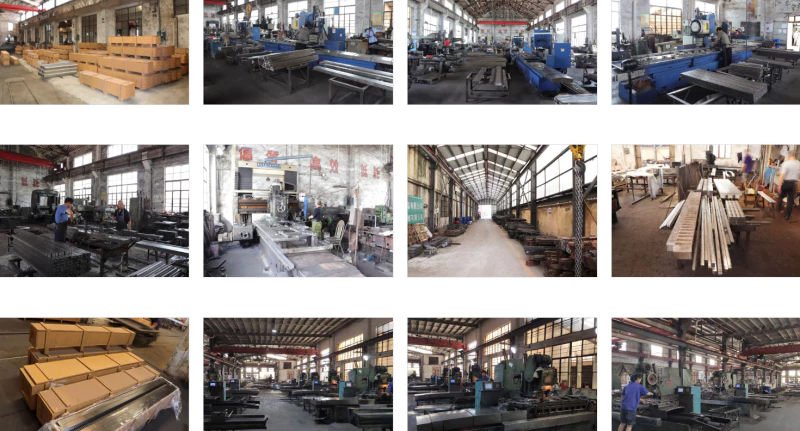
At our company, we specialize in the production and sales of high-quality aluminum gears for various industries. Here are some reasons why you should choose us:
Advanced Manufacturing Technology
We use the latest manufacturing technology and equipment to produce high-precision and high-performance aluminum gears that meet our customers’ requirements.
Quality Control
We have a strict quality control system that ensures every gear we produce meets the highest standards of quality, durability, and performance.
Expert Technical Support
Our team of experienced engineers and technicians can provide expert technical support and advice to help our customers optimize their gear’s performance and efficiency.
Customization
We offer customized aluminum gears that can be tailored to our customers’ specific requirements and applications. This ensures maximum performance, durability, and value for our customers.
Competitive Pricing
We offer competitive pricing for our aluminum gears, ensuring maximum value for our customers’ investment.
Overall, we are a reliable and experienced supplier of high-quality aluminum gears that can help you optimize your equipment’s performance and efficiency. Contact us today to learn more about our products and services.
Q&A
- What is the difference between aluminum gear vs bronze gear?
- What are the advantages of using aluminum gears?
- What are the common types of aluminum gears?
- What industries use aluminum gears?
- How do I choose the right aluminum gear for my application?
Author: Dream