automobile gear box

Automobile Gear Box: A Comprehensive Guide
Automotive gear box, also known as transmission, plays an important role in the operation of a vehicle. It is responsible for transferring power from the engine to the wheels and allowing the driver to control the speed of the car. In this article, we will dive into the details of automobile gear box, its relationship with automobile gear, and its various applications in the automotive industry.
Automobile Gear Box
An automobile gear box is a mechanical device that transmits power from the engine to the wheels. It consists of gears and shafts that are arranged in a specific manner to produce different gear ratios. These gear ratios are what allow the driver to control the speed and torque of the vehicle. The gear box is typically located below the engine and is attached to the drive shaft that runs to the differential. There are two main types of gear boxes: manual and automatic.
Manual Gear Box
A manual gear box requires the driver to manually shift gears using a clutch pedal and gear stick. The gear ratios are changed by moving the gear stick from one position to another. Manual gear boxes are generally less expensive and lighter than automatic gear boxes, and they offer more control to the driver. However, they require more skill to operate, and they can be tiring to use in heavy traffic.
Automatic Gear Box
An automatic gear box uses a hydraulic system to shift gears automatically. The driver only needs to select the desired gear (drive, reverse, park, etc.) and the gear box will shift gears automatically. Automatic gear boxes are generally more expensive and heavier than manual gear boxes, but they are easier to use and require less skill. They are also more fuel-efficient in stop-and-go traffic.
Automobile Gear Box and Automobile Gear
Automobile gear is a type of gear that is used in gear boxes and other automotive applications. It is designed to transmit power between two shafts that are at an angle to each other. Automobile gears are typically made of steel and are heat-treated to make them strong and durable.
The relationship between automobile gear box and automobile gear is that automobile gear is one of the main components of a gear box. Automobile gears come in different shapes and sizes, depending on their application. They can be spur gears, helical gears, bevel gears, or worm gears. Spur gears are the most common type of gear used in gear boxes.
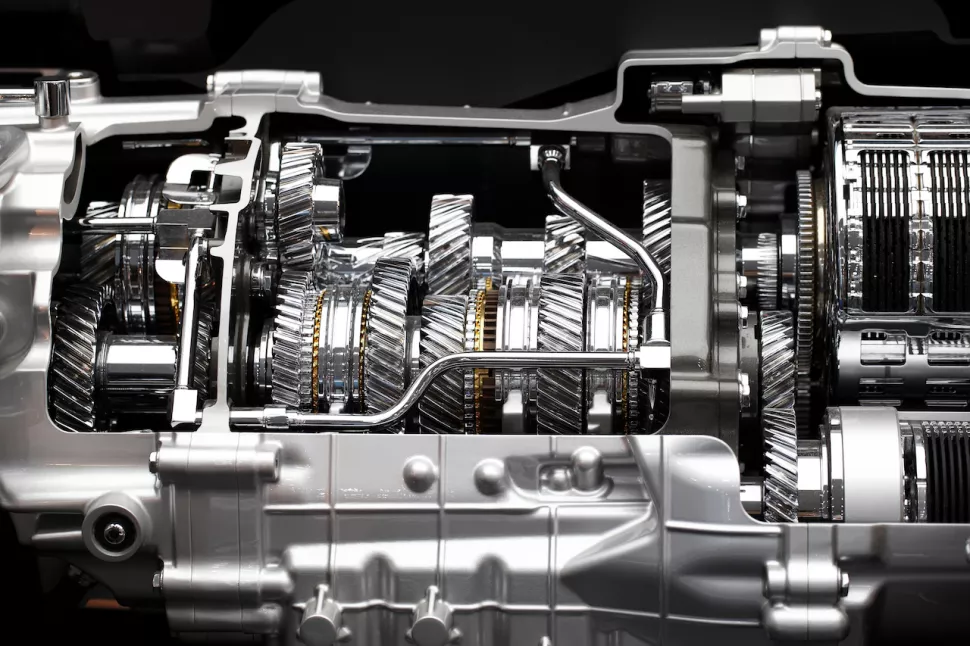
Automobile Gear Performance Characteristics
Automobile gear has several performance characteristics that make it ideal for use in the automotive industry. These characteristics include:
- High strength
- Durability
- Low noise
- High efficiency
- Accurate tooth profile
These characteristics make automobile gear an ideal choice for applications where high torque and power transfer are required.
Types of Automobile Gear
There are several types of automobile gear, each with its own unique characteristics. These include:
Spur Gears
Spur gears are the most common type of gear used in gear boxes. They have straight teeth that are parallel to the axis of rotation. Spur gears are ideal for applications where a large amount of power needs to be transmitted.
Helical Gears
Helical gears have angled teeth that are arranged in a helix pattern. This design reduces noise and vibration and allows for smoother operation. Helical gears are ideal for applications where high speeds and heavy loads are required.
Bevel Gears
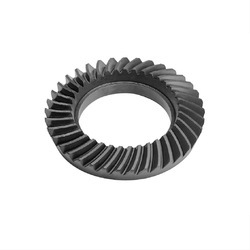
Bevel gears have teeth that are cut on a conical surface. They are used to transmit power between shafts that are not parallel to each other. Bevel gears are ideal for applications where a change in direction is required.
Worm Gears
Worm gears are used to transmit power between shafts that are at right angles to each other. They have a threaded shaft that meshes with a worm wheel, which has teeth that are angled to match the thread angle. Worm gears are ideal for applications where a high gear ratio is required.
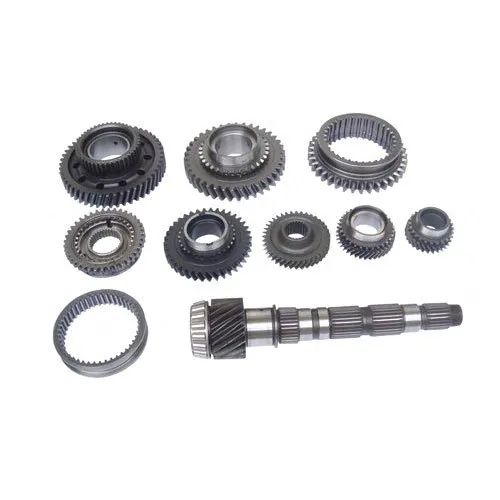
Applications of Automobile Gear
Automobile gear is used in various automotive applications, including:
Transmission Systems
The most common application of automobile gear is in transmission systems. The gear box is responsible for transmitting power from the engine to the wheels and allowing the driver to control the speed of the vehicle.
Drive Train Systems
Automobile gear is also used in drive train systems, which transfer power from the engine to the wheels. Drive train systems include the drive shaft, differential, and axles.
Steering Systems
Automobile gear is used in steering systems to allow the driver to control the direction of the vehicle. The steering system includes the steering wheel, steering column, and steering gear.
Power Steering Pumps
Automobile gear is used in power steering pumps to assist the driver in turning the steering wheel. The power steering pump uses a hydraulic system to apply pressure to the steering gear.
Starter Motors
Automobile gear is used in starter motors to engage the flywheel and start the engine. The starter motor uses a small pinion gear to engage with the teeth on the flywheel.
Future Development and Opportunities for Automobile Gear
The automotive industry is constantly evolving, and so is the technology behind automobile gear. Some future developments and opportunities for automobile gear include:
- Increased use of lightweight materials
- Development of more efficient gear designs
- Integration of electronic control systems
- Development of hybrid and electric powertrain systems
- Expansion into emerging markets
How to Choose the Right Automobile Gear
Choosing the right automobile gear is important for ensuring optimal performance and longevity. Here are some factors to consider:
Clarify Requirements
Before choosing an automobile gear, it is important to clarify the requirements of the application. This includes understanding the amount of power that needs to be transmitted, the speed at which it needs to be transmitted, and any other performance requirements.
Material Selection
The material of the gear is important for ensuring strength and durability. Common materials used for automobile gear include steel, aluminum, and bronze. The material should be selected based on the requirements of the application.
Design Optimization
The design of the gear should be optimized to ensure optimal performance. This includes selecting the right gear ratio, tooth profile, and surface finish.
Supplier and After-Sales Service
Choosing the right supplier is important for ensuring quality and reliability. It is also important to consider the availability of after-sales service and support.
Cost Effectiveness
The cost of the gear should be considered in relation to its performance characteristics and overall value. It is important to balance cost effectiveness with performance and reliability.
Quality Control
The quality of the gear should be ensured through rigorous quality control measures. This includes testing the gear for defects, wear, and damage.
How to Maintain Automobile Gear
Maintaining automobile gear is important for ensuring optimal performance and longevity. Here are some maintenance tips:
Equipment Inspection
Regular equipment inspection is important for identifying any wear or damage to the gear. This includes inspecting the teeth, shafts, bearings, and seals.
Cleaning and Corrosion Protection
The gear should be cleaned regularly to remove dirt and debris. It should also be protected from corrosion by applying a protective coating.
Lubrication and Maintenance
The gear should be properly lubricated to reduce friction and wear. The lubricant should be selected based on the requirements of the application.
Replacement of Worn Parts
Worn or damaged parts should be replaced promptly to prevent further damage to the gear.
Improvement and Upgrades
Periodic improvement and upgrades can enhance the performance and longevity of the gear. This includes upgrading to more efficient designs and materials.
Why Choose Us?
Our company specializes in the production and sale of high-quality automobile gear. Here are some reasons to choose us:
- High-Quality Products
- Reliable Service
- Competitive Pricing
- Customizable Designs
- Expertise and Experience
Our products are made from high-quality materials and are designed for optimal performance and longevity.
We offer reliable service and support to ensure the satisfaction of our customers.
Our products are competitively priced to offer the best value for our customers.
We offer customizable designs to meet the unique requirements of our customers.
Our team has extensive expertise and experience in the production and sale of automobile gear.
Q&A
Q: What is the difference between manual and automatic gear box?
A: Manual gear box requires the driver to change gears manually using a clutch pedal and gear stick, while automatic gear box shifts gears automatically using a hydraulic system.
Q: What are the different types of automobile gear?
A: The different types of automobile gear include spur gears, helical gears, bevel gears, and worm gears.
Q: What are the applications of automobile gear?
A: The applications of automobile gear include transmission systems, drive train systems, steering systems, power steering pumps, and starter motors.
Q: How to choose the right automobile gear?
A: The right automobile gear should be chosen based on the requirements of the application, material selection, design optimization, supplier and after-sales service, cost effectiveness, and quality control.
Q: How to maintain automobile gear?
A: Automobile gear should be maintained through regular equipment inspection, cleaning and corrosion protection, lubrication and maintenance, replacement of worn parts, and improvement and upgrades.
Q: Why choose your company for automobile gear?
A: Our company offers high-quality products, reliable service, competitive pricing, customizable designs, expertise and experience in the production and sale of automobile gear.
Author: Dream