automobile gear maintenance tips

Automobile Gear Maintenance Tips
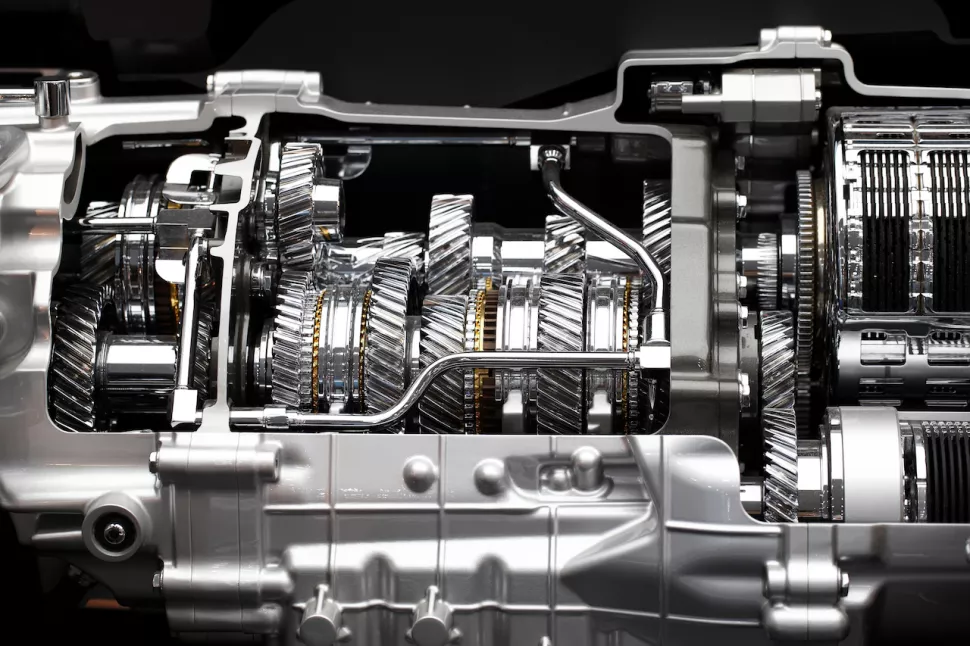
Introduction
Automobile gear maintenance is crucial for the proper functioning and longevity of your vehicle’s gears. In this article, we will provide you with valuable tips on how to maintain your automobile gear effectively.
Importance of Automobile Gear Maintenance
Proper maintenance of automobile gears is essential for ensuring smooth and efficient operation of the transmission system. Neglecting gear maintenance can lead to premature wear and tear, decreased performance, and costly repairs. By following these maintenance tips, you can prolong the lifespan of your automobile gear:
Regular Inspection
Inspecting the condition of your automobile gear regularly is important to identify any signs of damage or wear. Look for leaks, cracks, or unusual noises that may indicate underlying issues.
Cleaning and Corrosion Protection
Keeping your gears clean and protected from corrosion is crucial. Regularly clean the gears using a suitable cleaner and ensure they are adequately lubricated to prevent rust and corrosion.
Lubrication and Maintenance
Proper lubrication is essential for the smooth operation of gears. Follow the manufacturer’s recommendations for lubrication intervals and use high-quality lubricants suitable for your specific gear type.
Replacing Worn Components
Monitor the condition of your automobile gear components and replace any worn or damaged parts promptly. This helps prevent further damage and ensures optimal performance.
Improvement and Upgrades
Consider upgrading your automobile gear system with advanced technologies to enhance performance and efficiency. Consult with a professional mechanic or gear specialist for expert advice.
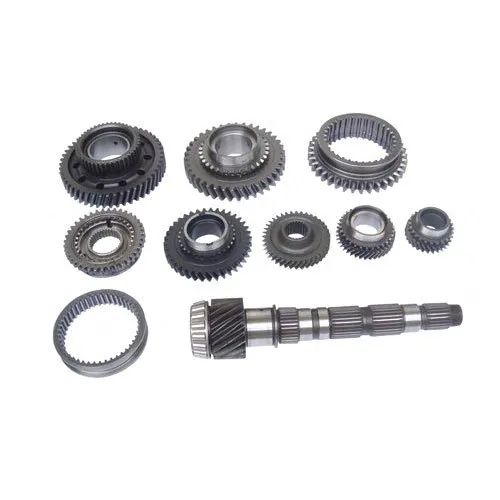
Types and Characteristics of Automobile Gears
Automobile gears come in various types, each with its unique characteristics. Here are some common types of automobile gears and their advantages:
Spur Gears
Spur gears are the most common type of gears used in automobiles. They are cost-effective, provide high torque, and have excellent efficiency.
Helical Gears
Helical gears offer smoother and quieter operation compared to spur gears. They have a higher load-carrying capacity and are suitable for high-speed applications.
Bevel Gears
Bevel gears are used in the differential system of automobiles. They allow for the transfer of power between perpendicular shafts and provide smooth and efficient torque transfer.
Worm Gears
Worm gears are used in applications requiring high gear ratios and low noise levels. They offer excellent shock-load resistance and are commonly found in steering systems.
Advantages of Different Gear Materials
The choice of gear material depends on the specific application and requirements. Here are some advantages of different gear materials:
Steel Gears
Steel gears offer high strength and durability, making them suitable for heavy-duty applications.
Aluminum Gears
Aluminum gears are lightweight and have excellent corrosion resistance. They are commonly used in applications where weight reduction is essential.
Plastic Gears
Plastic gears are cost-effective and have low noise levels. They find applications in situations where high precision and low weight are required.
Bronze Gears
Bronze gears have excellent wear resistance and are suitable for applications where self-lubrication is essential.
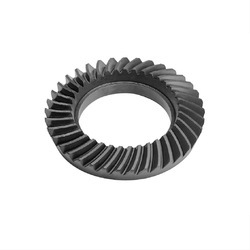
Applications of Automobile Gear in Various Systems
Transmission System
Automobile gears play a crucial role in the transmission system by transferring power from the engine to the wheels. They enable smooth gear shifting and efficient power delivery.
Steering System
Automobile gears are integral to the functioning of the steering system. They provide the necessary torque and control for smooth and responsive steering.
Power Steering Pump
Power steering pumps rely on gears to assist in steering effort. The gears in the power steering pump ensure efficient power transmission and reliable operation.
Starter Motor
Automobile gears are used in starter motors to crank the engine and initiate the combustion process. They provide the necessary torque to start the engine smoothly.
Future Trends and Opportunities
The automotive gear industry is continuously evolving, driven by technological advancements and changing market demands. Some future trends and opportunities include:
Electrification
The shift towards electric vehicles opens up opportunities for innovative gear designs catering to the specific requirements of electric drivetrains.
Lightweight Materials
The demand for lightweight gears to enhance fuel efficiency and reduce emissions presents opportunities for the development of new materials and designs.
Automation and Smart Gears
The integration of automation and smart technologies in gear systems can improve efficiency, reliability, and overall vehicle performance.
Improved Gear Manufacturing Processes
Advancements in gear manufacturing processes, such as additive manufacturing and precision machining, offer opportunities for enhanced gear quality and performance.
Industry Recommendations and Outlook
Based on the evolving automotive gear industry, here are some recommendations and outlook for future development:
- Invest in research and development to stay at the forefront of technological advancements.
- Collaborate with industry stakeholders to foster innovation and address emerging challenges.
- Embrace sustainable practices to reduce environmental impact throughout the gear manufacturing process.
- Continuously train and upskill employees to meet the demands of a rapidly changing industry.
- Adapt and diversify product offerings to cater to evolving market needs and trends.
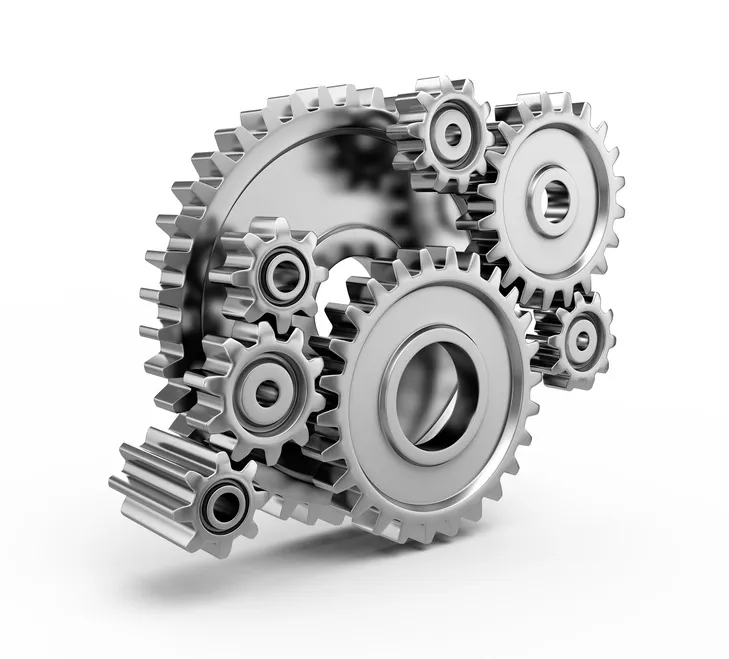
Choosing the Right Automobile Gear
When selecting an automobile gear, several factors should be considered to ensure the best fit for your specific needs:
Clarifying Requirements
Clearly define your requirements, including torque, speed, load capacity, and environmental conditions, to choose the gear type and material that aligns with your needs.
Material Selection
Consider the pros and cons of different gear materials, such as steel, aluminum, plastic, or bronze, based on factors like strength, weight, and corrosion resistance.
Design Optimization
Optimize gear design parameters, such as tooth profile, helix angle, and module, to achieve the desired performance and minimize noise and vibration.
Supplier and After-Sales Service
Choose a reputable gear supplier that offers high-quality products and reliable after-sales service to ensure long-term satisfaction and support.
Cost-Effectiveness
Evaluate the overall cost-effectiveness of the gear solution, considering factors like initial investment, maintenance requirements, and expected lifespan.
Quality Control
Ensure the gear manufacturing process adheres to strict quality control standards to guarantee the reliability and durability of the gears.
Automobile Gear Maintenance
Regular maintenance is crucial to keep your automobile gear in optimal condition. Here are some maintenance tasks you should perform:
Regular Equipment Inspection
Frequently inspect your automobile gear for signs of wear, damage, or misalignment. Address any issues promptly to prevent further damage.
Cleaning and Anti-Corrosion Measures
Thoroughly clean your gears and apply anti-corrosion coatings to protect them from rust and other forms of corrosion.
Lubrication and Greasing
Ensure your gears are properly lubricated using the recommended lubricants. Regularly grease the gears to reduce friction and wear.
Replacement of Worn Components
Monitor the condition of your gear components and replace any worn or damaged parts to maintain optimal performance and prevent potential failures.
Improvement and Upgrades
Consider upgrading your gear system with advanced technologies and design improvements to enhance performance and efficiency.
Why Choose Us?
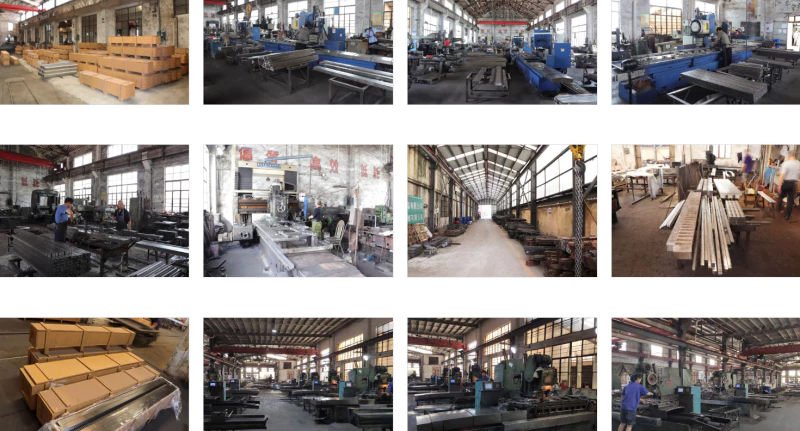
At [Your Company Name], we specialize in the production and sale of high-quality automobile gears. Our products and company advantages include:
- Extensive industry experience and expertise in automotive gear manufacturing.
- State-of-the-art facilities and advanced manufacturing processes.
- Strict quality control measures to ensure the reliability and durability of our gears.
- Wide range of gear types and materials to cater to diverse customer needs.
- Committed to excellent customer service and providing reliable after-sales support.
Q&A
Q: How often should automobile gears be inspected?
A: It is recommended to inspect automobile gears regularly, ideally during routine maintenance intervals or whenever any issues or abnormalities are observed.
Q: Can I use the same lubricant for all types of automobile gears?
A: No, it is crucial to use lubricants specifically recommended for each gear type to ensure optimal performance and longevity.
Q: What are the signs of worn automobile gear components?
A: Signs of worn gear components include increased noise, difficulty in gear shifting, decreased performance, and visible damage or wear on the gear teeth.
Q: How can I improve the fuel efficiency of my vehicle through gear selection?
A: Choosing gears with higher efficiency and optimizing gear ratios can contribute to improved fuel efficiency by reducing power losses during transmission.
Q: Is it possible to retrofit older vehicles with advanced gear technologies?
A: Yes, retrofitting older vehicles with advanced gear technologies is possible. Consult with a professional mechanic or gear specialist to explore suitable options.
Author: Dream