automobile gear materials

Automobile Gear Materials and Their Relationship with Automobile Gear
Automobile gears are crucial components in a vehicle’s transmission system, responsible for transmitting power from the engine to the wheels. The materials used to manufacture automobile gears play a vital role in their functionality, durability, and performance. In this article, we will explore the different types of automobile gear materials, their properties, and their relationship with automobile gears.
Automobile Gear Materials
Automobile gears can be made from a variety of materials, including:
Steel
Steel is the most common material used to manufacture automobile gears. It is strong, durable, and can withstand high temperatures and pressures. Steel gears can be further divided into:
Carbon Steel
Carbon steel is the most widely used steel for making automobile gears. It is cost-effective, has good strength and toughness, and can be easily machined. However, it is prone to wear and corrosion, especially in harsh environments.
Alloy Steel
Alloy steel has improved mechanical properties compared to carbon steel. It contains additional elements such as chromium, nickel, and molybdenum, which enhance its strength, hardness, and corrosion resistance. Alloy steel gears are commonly used in high-performance applications.
Cast Iron
Cast iron gears are strong, wear-resistant, and can handle high loads. However, they are brittle and can crack under shock loads. Cast iron gears are mainly used in low-speed and low-load applications.
Brass
Brass gears are soft, quiet, and have good corrosion resistance. However, they have low strength and can only be used in low-load applications.
Plastic
Plastic gears are lightweight, quiet, and have excellent corrosion resistance. They are commonly used in low-load and low-speed applications. However, they have low strength and can deform under high loads and temperatures.
Informational Relationship between Automobile Gear Materials and Automobile Gear
Automobile gear materials play a crucial role in determining the performance, durability, and reliability of the automobile gear. The choice of material depends on the gear’s application, load, speed, and environmental conditions. The following image shows an example of an automobile gear:

The material used to manufacture an automobile gear affects its wear resistance, fatigue resistance, and impact resistance. Gears made from steel alloys, for example, offer high strength, toughness, and wear resistance, making them ideal for high-performance applications. On the other hand, gears made from plastic materials have low strength but can operate silently and efficiently in low-load applications. In summary, the choice of automobile gear material depends on the specific application requirements and environmental conditions.
Performance Characteristics of Automobile Gears
Automobile gears are designed to meet specific performance requirements such as:
Load Carrying Capacity
The load-carrying capacity of a gear refers to the maximum load it can withstand without failing. Gears made from high-strength materials such as steel alloys can handle higher loads than gears made from low-strength materials.
Noise and Vibration
Noise and vibration are crucial performance characteristics of automobile gears. Gears that produce excessive noise and vibration can cause discomfort to passengers and reduce the overall driving experience. Gears made from materials that reduce noise and vibration, such as plastic materials, are ideal for applications that require low noise and vibration levels.
Efficiency
The efficiency of a gear refers to the amount of power that is lost due to friction and other factors during operation. Gears made from high-quality materials and designed with precision can provide higher efficiency and improve the vehicle’s fuel economy.
Durability
Durability refers to the ability of a gear to withstand wear and tear over time. Gears made from high-strength materials and treated with advanced surface coatings can provide higher durability and longer service life.
Temperature Resistance
Automobile gears operate at high temperatures and pressures. Gears made from materials that can withstand high temperatures, such as steel alloys, are ideal for high-performance applications.
Types and Characteristics of Automobile Gears
There are several types of automobile gears, each with its own unique characteristics:
Spur Gears
Spur gears are the most common type of automobile gears. They have straight teeth and operate on parallel axes. Spur gears are easy to manufacture, cost-effective, and can handle high loads. However, they produce high noise and vibration levels.
Helical Gears
Helical gears have angled teeth and operate on non-parallel axes. They produce less noise and vibration than spur gears and can handle higher loads. However, they are more complex to manufacture and costlier than spur gears.
Bevel Gears
Bevel gears have conical teeth and operate on intersecting axes. They are commonly used in applications that require changes in direction of power transmission. Bevel gears are stronger and more efficient than spur gears, but they are more difficult to manufacture.
Worm Gears
Worm gears have a worm wheel and a worm gear. They produce high reduction ratios and are used in applications that require high torque and low speed. Worm gears are efficient, quiet, and self-locking, but they have low efficiency and can suffer from high wear.
Planetary Gears
Planetary gears consist of a sun gear, planet gears, and a ring gear. They offer high reduction ratios and are commonly used in automatic transmissions. Planetary gears are compact, efficient, and quiet, but they are more complex to manufacture and maintain.
The choice of gear type depends on the specific application requirements, load, speed, and other factors.

Applications of Automobile Gears
Automobile gears play a vital role in various automotive applications, including:
Transmission System
The transmission system of a vehicle comprises a gearbox, clutch, and differential. Automobile gears are used in the gearbox to transmit power from the engine to the wheels and to change the speed and torque of the vehicle.
Drive Train System
The drive train system of a vehicle consists of the transmission system, driveshaft, and axles. Automobile gears are used in the driveshaft and axles to transmit power from the transmission system to the wheels.
Steering System
The steering system of a vehicle is responsible for steering the vehicle. Automobile gears are used in the steering rack to convert the rotational motion of the steering wheel into the linear motion of the wheels.
Power Steering Pump
The power steering pump of a vehicle provides pressurized fluid to the steering system to assist with steering. Automobile gears are used in the power steering pump to increase the pressure of the fluid.
Starter Motor
The starter motor of a vehicle is responsible for starting the engine. Automobile gears are used in the starter motor to engage the engine’s flywheel and crankshaft.
Future Development and Opportunities of Automobile Gears
The automotive industry is constantly evolving, driven by changing customer demands, technological advancements, and regulatory requirements. The future development and opportunities of automobile gears are characterized by:
Electric Vehicles
Electric vehicles are gaining popularity globally, driven by increasing concerns over air pollution and climate change. Automobile gears for electric vehicles are designed for high efficiency, low noise, and durability.
Advanced Materials
The use of advanced materials such as composites and nanomaterials in automobile gears can improve their strength, durability, and performance.
Advanced Manufacturing Technologies
The development of advanced manufacturing technologies such as additive manufacturing and robotics can improve the efficiency and precision of automobile gear manufacturing.
Integrated Systems
The integration of automobile gears with other components such as sensors and control systems can improve their functionality and performance.
Aftermarket Services
The aftermarket services for automobile gears, such as maintenance, repair, and replacement, are expected to grow with the increasing demand for automotive vehicles.

How to Choose the Right Automobile Gear
Choosing the right automobile gear depends on several factors, including:
Clarify Your Requirements
It is essential to understand your application requirements, load, speed, and environmental conditions to select the right automobile gear material and type.
Material Selection
Choosing the right material depends on the application requirements, load, speed, environmental conditions, and cost. Steel alloys, for example, offer high strength and durability but are costlier than plastic gears.
Design Optimization
Design optimization involves choosing the right gear type, size, and configuration to meet the application requirements and improve the gear’s durability and performance.
Supplier and After-Sales Service
Choosing the right supplier who can provide high-quality automobile gears and after-sales services such as maintenance, repair, and replacement is critical to ensure the long-term performance and durability of the gears.
Cost-Effectiveness
The cost of the automobile gear must be justified by its performance, durability, and long-term cost-effectiveness.
Quality Control
The quality control process must be in place to ensure that the automobile gears meet the required specifications and standards.

How to Maintain Automobile Gears
Maintaining automobile gears is essential to ensure their durability and performance. The following maintenance practices can be adopted:
Regular Equipment Inspection
Regular equipment inspection helps identify potential issues such as wear and tear, corrosion, and damage and take corrective measures before they escalate.
Cleaning and Corrosion Protection
Regular cleaning and corrosion protection can prevent the accumulation of dirt, dust, and moisture that can damage the gears and reduce their performance.
Lubrication and Maintenance
Regular lubrication and maintenance can ensure that the gears operate smoothly and efficiently. Proper lubrication can reduce wear and tear, noise, and vibration and increase the gears’ service life.
Replacing Worn-Out Parts
Replacing worn-out parts such as bearings, seals, and gears can prevent further damage, improve performance, and ensure the long-term durability of the gears.
Improvement and Upgrades
Improving and upgrading the automobile gears can enhance their performance, efficiency, and durability and ensure that they meet the changing application requirements and technological advancements.
Why Choose Us
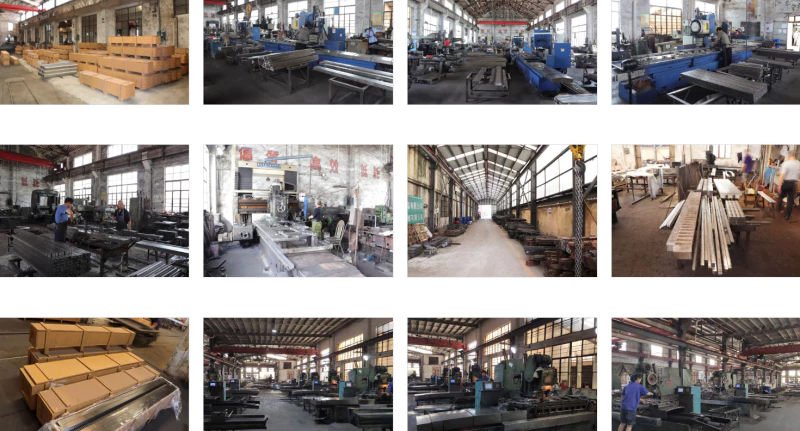
Our company specializes in the design, manufacturing, and sales of high-quality automobile gears for various automotive applications. Our products and company have the following advantages:
High-Quality Products
We use only the best materials and manufacturing processes to produce high-quality automobile gears that meet the required specifications and standards.
Customized Solutions
We offer customized solutions to meet the specific application requirements of our customers. Our team of experts can design and manufacture gears that meet your exact needs.
Competitive Pricing
We offer competitive pricing for our high-quality products, ensuring that our customers get the best value for their money.
Reliable After-Sales Service
We provide reliable after-sales services such as maintenance, repair, and replacement to ensure the long-term durability and performance of our products.
Quality Control
We have a rigorous quality control process in place to ensure that our products meet the required specifications and standards.
Q&A
Q1: What is the most common material used to manufacture automobile gears?
A: The most common material used to manufacture automobile gears is steel, especially carbon steel.
Q2: What are the performance characteristics of automobile gears?
A: The performance characteristics of automobile gears include load carrying capacity, noise and vibration, efficiency, durability, and temperature resistance.
Q3: What are the different types of automobile gears?
A: The different types of automobile gears include spur gears, helical gears, bevel gears, worm gears, and planetary gears.
Q4: What are the applications of automobile gears?
A: The applications of automobile gears include transmission system, drive train system, steering system, power steering pump, and starter motor.
Q5: What are the factors to consider when choosing the right automobile gear?
A: The factors to consider when choosing the right automobile gear include application requirements, material selection, design optimization, supplier and after-sales service, cost-effectiveness, and quality control.