automobile gear noise solutions

Automobile Gear Noise Solutions
Automobile gear noise is a common problem that many drivers encounter. The noise can be caused by a variety of factors, including worn gears, low-quality lubricants, and poor manufacturing tolerances. Fortunately, there are several solutions to this problem.
Automobile Gear Noise Solutions
The first step in solving automobile gear noise is to identify the source of the problem. This can be done by performing a visual inspection of the gears, checking the lubricant levels, and listening for any unusual sounds when the gears are engaged. Once the source of the noise has been identified, the following solutions can be considered:
1. Gear Replacement
If the gears are worn or damaged, they will need to be replaced. This is the most effective solution for eliminating gear noise, but it can also be the most expensive. It is important to use high-quality replacement gears to ensure that the problem does not reoccur.
2. Lubricant Change
If the lubricant in the gearbox is old or low-quality, it can cause excessive wear on the gears and increase gear noise. Changing the lubricant can improve the performance of the gears and reduce noise. It is important to use the correct type of lubricant for the specific gearbox.
3. Gearbox Adjustment
Sometimes, the gears in the gearbox can become misaligned or incorrectly adjusted. This can cause excessive wear on the gears and increase gear noise. Adjusting the gearbox can help to eliminate the noise. It is important to perform the adjustment according to the manufacturer’s specifications.
4. Noise Dampening Techniques
Noise dampening techniques, such as adding sound-deadening material to the gearbox or installing a noise-reducing cover, can help to reduce gear noise. These techniques are often used in combination with other solutions to achieve the best results.

Automobile Gear and Automobile Gear Noise Solutions Based on Informational
Automobile gears are an essential component of an automobile’s powertrain system. They are responsible for transmitting power from the engine to the wheels. Gear noise is a common problem that can be caused by a variety of factors, including worn gears, low-quality lubricants, and poor manufacturing tolerances.
Automobile gear noise solutions are essential for ensuring that an automobile’s powertrain system operates smoothly and efficiently. By addressing gear noise problems, drivers can enjoy a more comfortable and enjoyable driving experience. In addition, solving gear noise problems can help to extend the life of the gearbox and other components.
Automobile Gear Performance Features
Automobile gears are designed to deliver high levels of performance and reliability. Some of the key features of automobile gears include:
1. High Load Capacity
Automobile gears are designed to withstand high loads and stresses, making them ideal for use in powertrain systems.
2. High Efficiency
Automobile gears are designed to operate with high efficiency, which helps to improve fuel economy and reduce emissions.
3. Low Noise and Vibration
Automobile gears are designed to operate with minimal noise and vibration, which helps to improve the overall driving experience.
4. Long Service Life
Automobile gears are designed to provide long service life, helping to minimize maintenance and repair costs.
5. Resistance to Wear and Tear
Automobile gears are designed to be highly resistant to wear and tear, helping to ensure that they remain in good condition for longer periods of time.

Types and Characteristics of Automobile Gear
There are several types of automobile gears, each with its own unique characteristics. These include:
1. Spur Gears
Spur gears are the most common type of automobile gear. They are used in a variety of applications, including transmissions, differentials, and steering systems. Spur gears are characterized by their simple design and high efficiency.
2. Helical Gears
Helical gears are similar to spur gears, but they have angled teeth that allow for smoother operation and reduced noise levels. Helical gears are commonly used in transmissions and differentials.
3. Bevel Gears
Bevel gears are designed for applications that require a change in direction of the powertrain. They are commonly used in differentials and steering systems.
4. Worm Gears
Worm gears are designed for applications that require high torque and low speed. They are commonly used in power steering systems and winches.
The choice of gear type will depend on the specific application and performance requirements. In addition, different materials can be used to manufacture gears, each with its own unique properties.
Applications of Automobile Gear in Various Fields
Automobile gears are used in a variety of applications, including:
1. Transmission Systems
Automobile gears are an essential component of a transmission system, where they are responsible for transmitting power from the engine to the wheels. They are designed to operate with high efficiency and reliability, helping to ensure that the vehicle operates smoothly and efficiently.
2. Drivetrain Systems
Automobile gears are also used in drivetrain systems, where they are responsible for transmitting power from the engine to the differential. They are designed to operate with high efficiency and reliability, helping to ensure that the vehicle operates smoothly and efficiently.
3. Steering Systems
Automobile gears are used in steering systems, where they are responsible for transmitting power from the steering wheel to the wheels. They are designed to operate with high precision and reliability, helping to ensure that the vehicle is easy to maneuver and control.
4. Power Steering Pumps
Automobile gears are used in power steering pumps, where they are responsible for providing the necessary power to assist with steering. They are designed to operate with high efficiency and reliability, helping to ensure that the vehicle is easy to steer.
5. Starter Motors
Automobile gears are used in starter motors, where they are responsible for engaging the flywheel and starting the engine. They are designed to operate with high reliability and durability, helping to ensure that the vehicle starts smoothly and reliably.
Future Development Trends and Opportunities for Automobile Gear Products
Automobile gear products are an essential component of the automotive industry. With the increasing demand for high-performance and energy-efficient vehicles, there are several development trends and opportunities for automobile gear products:
1. Lightweight Materials
There is an increasing demand for lightweight materials that can help to improve fuel economy and reduce emissions. Automobile gears made from lightweight materials, such as titanium and magnesium, can help to achieve these goals.
2. Electric and Hybrid Vehicles
As the demand for electric and hybrid vehicles continues to grow, there will be an increasing need for automobile gears that are designed specifically for these applications. These gears will need to be highly efficient and reliable, while also being lightweight and compact.
3. Advanced Manufacturing Techniques
Advanced manufacturing techniques, such as 3D printing and advanced robotics, can help to improve the efficiency and precision of automobile gear manufacturing. This can help to reduce costs and improve the quality of the finished product.
4. Smart Gearboxes
Smart gearboxes, which use sensors and advanced control systems to optimize gearbox performance, are becoming increasingly popular. These gearboxes can help to improve fuel economy, reduce emissions, and provide a more comfortable driving experience.
5. Globalization
The globalization of the automotive industry is creating new opportunities for automobile gear manufacturers. With the growth of emerging markets, there is an increasing demand for high-quality automobile gears that are designed specifically for these markets.

How to Choose the Right Automobile Gear
Choosing the right automobile gear is essential for ensuring that an automobile’s powertrain system operates smoothly and efficiently. The following factors should be considered when choosing an automobile gear:
1. Identify Requirements
The first step in choosing the right automobile gear is to identify the specific requirements of the application. This includes factors such as load capacity, speed, and torque requirements.
2. Material Selection
The material used to manufacture the automobile gear is also an important consideration. Different materials have different properties, such as strength, durability, and resistance to wear and tear.
3. Design Optimization
The design of the automobile gear can also have a significant impact on its performance. It is important to choose a gear that has been optimized for the specific application.
4. Supplier and After-Sales Service
Choosing a reliable supplier with a strong track record of delivering high-quality automobile gears is essential. In addition, after-sales service should be considered, as this can help to ensure that the gear continues to operate efficiently over its service life.
5. Cost-Effectiveness
The cost-effectiveness of the automobile gear should also be considered. This includes factors such as the initial purchase price, maintenance costs, and the expected service life of the gear.

How to Maintain Automobile Gear
Maintaining automobile gear is essential for ensuring that it continues to operate efficiently and reliably. The following maintenance tips should be followed:
1. Regular Inspection
Regularly inspecting the automobile gear can help to identify any potential problems before they become more serious. This includes checking for wear and tear, leaks, and other issues.
2. Cleaning and Corrosion Protection
Cleaning and corrosion protection are essential for ensuring that the automobile gear remains in good condition. This includes removing any dirt or debris, and applying a corrosion-resistant coating.
3. Lubrication and Maintenance
Lubrication and maintenance are also important for ensuring that the automobile gear operates smoothly and efficiently. This includes regularly checking and changing the lubricant, and performing any necessary maintenance tasks, such as adjusting the gearbox.
4. Replacement of Worn Parts
If any parts of the automobile gear become worn or damaged, they should be replaced immediately. This can help to prevent more serious problems from developing.
5. Upgrades and Improvements
Upgrading and improving the automobile gear can help to improve its performance and extend its service life. This includes upgrading to more advanced materials or technologies, or adding new features to the gear.
Why Choose Us
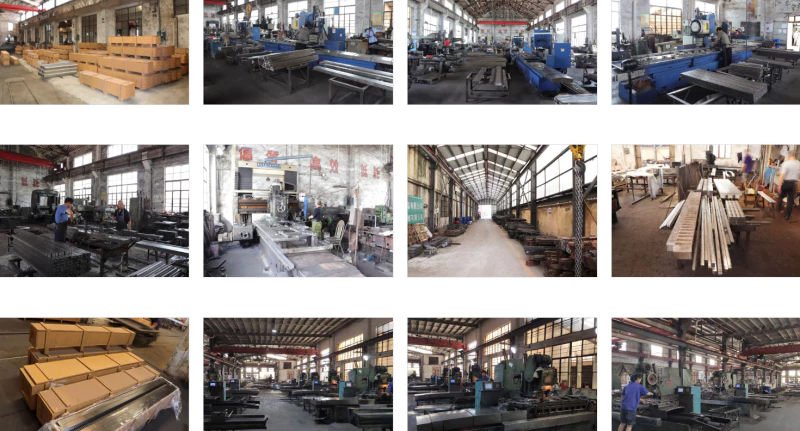
At Dream Gear, we specialize in the design, manufacture, and sale of high-quality automobile gears. Our products are designed to deliver exceptional performance and reliability, and we are committed to providing our customers with the best possible service.
Some of the key advantages of choosing our company include:
1. High-Quality Products
We use only the highest-quality materials and manufacturing techniques to produce our automobile gears, ensuring that they meet or exceed the highest industry standards.
2. Expertise and Experience
Our team of experts has many years of experience in the automotive industry, and we have a deep understanding of the specific requirements of different applications.
3. Customization and Flexibility
We offer a wide range of products and services, and we are always willing to work with our customers to develop customized solutions that meet their specific needs.
4. Competitive Pricing
We offer competitive pricing on all of our products, helping to ensure that our customers get the best possible value for their money.
5. Excellent Customer Service
We are committed to providing our customers with the best possible service, and we are always available to answer any questions or provide any assistance that they may need.
Q&A
1. What is the main cause of automobile gear noise?
The main cause of automobile gear noise is worn or damaged gears, low-quality lubricants, and poor manufacturing tolerances.
2. How can gear noise be reduced?
Gear noise can be reduced by replacing worn or damaged gears, changing the lubricant, adjusting the gearbox, and using noise-dampening techniques.
3. What are some of the key features of automobile gears?
Some of the key features of automobile gears include high load capacity, high efficiency, low noise and vibration, long service life, and resistance to wear and tear.
4. What are the different types of automobile gears?
The different types of automobile gears include spur gears, helical gears, bevel gears, and worm gears.
5. How can I choose the right automobile gear?
You can choose the right automobile gear by identifying the specific requirements of the application, selecting the right material, optimizing the design, choosing a reliable supplier, and considering cost-effectiveness.
Author: Dream