automobile gear shifter

Automobile Gear Shifter and its Relationship with Automobile Gear
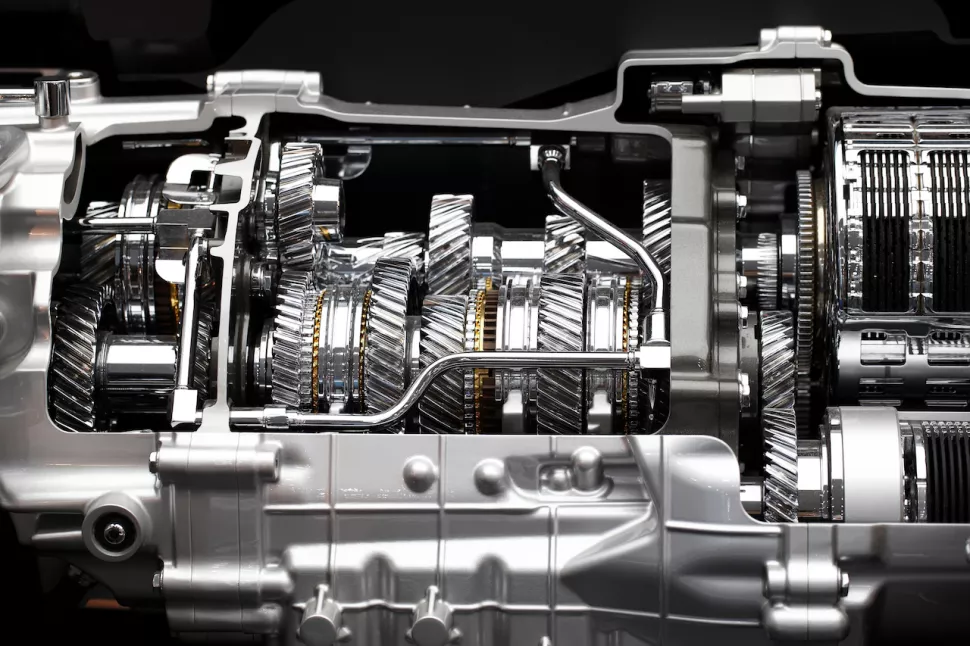
Introduction to Automobile Gear Shifter
The automobile gear shifter is a crucial component in the transmission system of an automobile. It allows the driver to change gears and control the power distribution from the engine to the wheels. The gear shifter enables smooth shifting between gears, ensuring optimal performance and efficiency of the vehicle.
Commercial Implications of the Automobile Gear Shifter
The automobile gear shifter plays a vital role in the commercial aspect of the automobile industry. It directly impacts the driving experience and comfort of the vehicle, which are key factors influencing customers’ purchasing decisions. A well-designed and ergonomic gear shifter enhances user satisfaction and contributes to the overall brand image of automobiles.
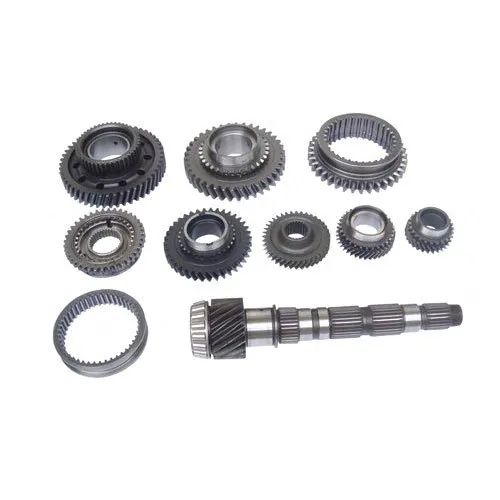
Performance Features of Automobile Gears
Automobile gears offer several key performance features:
- High torque transmission capability: Automobile gears are designed to withstand high levels of torque, ensuring efficient power transfer.
- Precision and smoothness: Gears are manufactured with high precision to minimize noise, vibration, and harshness during gear engagement.
- Heat resistance: Automobile gears are constructed from materials that can handle the heat generated during operation, ensuring long-lasting performance.
- Wear resistance: The gears go through specialized treatments to enhance their durability and resistance to wear, resulting in extended product life.
- Efficiency: Automobile gears are engineered to maximize power transmission efficiency, reducing energy losses and improving fuel economy.
Types of Automobile Gears and Their Characteristics
There are various types of automobile gears, each with its specific characteristics:
- Spur gears: These gears have straight teeth and are widely used for their simplicity and cost-effectiveness.
- Helical gears: Helical gears have angled teeth, providing smoother and quieter operation compared to spur gears.
- Bevel gears: Bevel gears are used in applications where the power transmission requires changes in the direction of rotation.
- Planetary gears: Planetary gears offer high torque multiplication and compact size, making them ideal for automatic transmissions.
The choice of gear material also impacts performance:
- Steel gears: Steel gears offer excellent strength and durability, suitable for heavy-duty applications.
- Aluminum gears: Aluminum gears are lightweight and provide high corrosion resistance.
- Composite gears: Composite gears offer a combination of lightweight, low noise, and high strength properties.
Application of Automobile Gear in Various Systems
Automobile gears find extensive applications in different systems within a vehicle:
- Transmission System: Automobile gears are the core components in the transmission system, enabling smooth gear shifting and power distribution.
- Drivetrain System: Gears are essential for transferring power from the transmission to the wheels, ensuring efficient acceleration and speed control.
- Steering System: Some steering systems utilize gears to convert the driver’s input into the necessary steering movements.
- Power Steering Pump: Gears play a role in power steering pumps to assist with steering efforts.
- Starter Motor: Gears are used in starter motors to engage with the engine’s flywheel and initiate the engine’s combustion process.
The Future of Automobile Gears and Opportunities
The automobile gear industry is continuously evolving, and several trends and opportunities are shaping its future:
- Electric Vehicles: The shift towards electric vehicles presents opportunities for innovative gear technologies to optimize power transmission and improve efficiency.
- Autonomous Driving: As autonomous driving technology advances, gears with advanced control systems will be crucial for precise gear shifting and seamless integration with autonomous systems.
- Lightweight Design: The demand for lightweight vehicles creates opportunities for the development of gears made from advanced materials, offering a balance between weight reduction and performance.
- Efficiency Improvement: Research and development efforts focus on improving gear design and manufacturing processes to increase overall power transmission efficiency.
- Smart Gear Technologies: Integration of sensors and advanced control systems in gears allows real-time monitoring and adjustment for optimal performance and predictive maintenance.
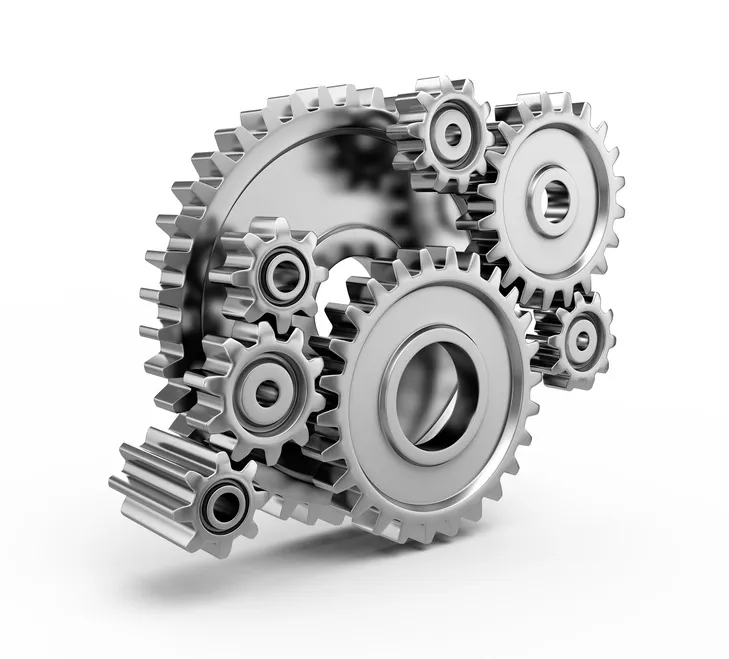
Choosing the Right Automobile Gear
Choosing the correct automobile gear involves considering several factors:
- Clear Requirements: Clearly define the desired gear specifications, including torque capacity, speed range, and noise requirements.
- Material Selection: Select the appropriate gear material based on the application’s demands, such as steel for heavy-duty applications or lightweight composites for reducing vehicle weight.
- Design Optimization: Optimize gear design, tooth profile, and gear ratio to achieve desired performance and efficiency.
- Supplier and After-Sales Support: Choose a reliable gear supplier that offers excellent after-sales support, including maintenance services and spare parts availability.
- Cost-Effectiveness: Consider the overall cost-effectiveness of the gear, balancing initial investment, maintenance costs, and expected product life.
- Quality Control: Ensure the gear manufacturer follows strict quality control processes to deliver reliable and durable products.
Maintenance of Automobile Gears
Proper maintenance of automobile gears is essential for prolonged performance and reliability:
- Regular Equipment Inspection: Conduct routine inspections to identify any signs of wear, misalignment, or damage. Promptly address any issues to prevent further damage.
- Cleaning and Corrosion Protection: Clean gears using appropriate methods and apply protective coatings to prevent corrosion and ensure smooth operation.
- Lubrication and Maintenance: Follow the recommended lubrication schedule and perform periodic maintenance to ensure optimal gear performance.
- Replacement of Worn Parts: Identify and replace worn gears or components to maintain gear efficiency and prevent potential failures.
- Improvement and Upgrades: Stay updated with the latest gear technologies and consider upgrades to enhance performance and meet evolving demands.
Why Choose Us
Author: Dream
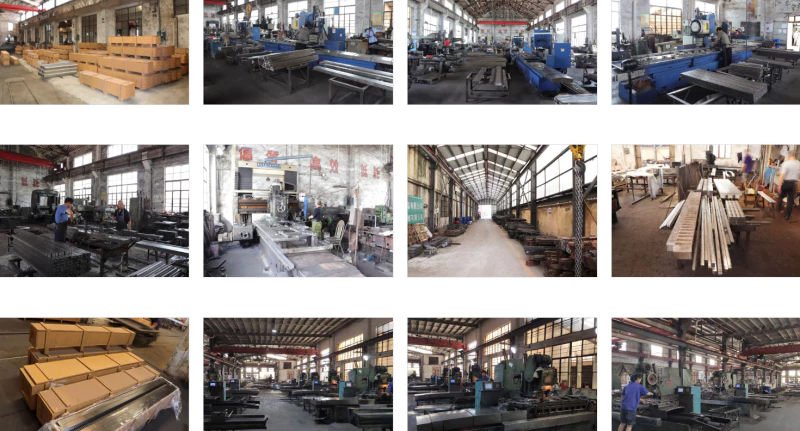
At our company, we specialize in the production and sale of high-quality automobile gears. Our products offer several advantages:
- Exceptional Durability: Our gears are engineered to withstand heavy loads and provide long-lasting performance even in demanding conditions.
- Precision Engineering: Every gear is manufactured with utmost precision, ensuring smooth operation, minimal noise, and optimal power transmission.
- Customization Options: We offer a range of customization options to tailor gears according to specific requirements, including gear ratio, tooth profile, and material selection.
- Reliable Support: Our team provides excellent after-sales support, offering maintenance services, spare parts availability, and technical assistance.
- Competitive Pricing: We strive to offer competitive pricing without compromising on the quality and performance of our gears.
Q&A
- Q: What material is commonly used for automobile gears?
- Q: How often should I inspect my automobile gears?
- Q: Can I replace a single gear in my transmission system?
- Q: Are gear upgrades worth the investment?
- Q: How can I improve the lifespan of my automobile gears?
A: Steel is the most commonly used material for automobile gears due to its strength and durability.
A: Regular inspections should be conducted as part of routine maintenance, generally recommended every 6 to 12 months or as per the manufacturer’s guidelines.
A: In most cases, it is recommended to replace the entire gear set to ensure proper compatibility and optimal performance.
A: Gear upgrades can significantly improve performance and efficiency, especially in high-performance or specialized applications, making them a worthwhile investment.
A: Regular maintenance, proper lubrication, and timely replacement of worn parts are key to extending the lifespan of automobile gears.
Author: Dream