automobile gear wear analysis

Automobile Gear Wear Analysis
Automobile gear wear analysis is the process of examining the wear of gears in a vehicle’s transmission system. Gears are critical components in the transmission system of an automobile. They are responsible for transmitting power from the engine to the wheels, providing the necessary torque and speed for the vehicle to move. The wear of gears is a common problem that can cause a reduction in the efficiency of the transmission system, leading to increased fuel consumption and decreased performance of the vehicle.
Automobile Gear Wear Analysis and Automobile Gear: Informational Connection
The wear of automobile gears is a complex phenomenon that can be caused by a variety of factors, including the quality of the gear materials, the design and manufacturing processes, and the operating conditions of the vehicle. To analyze the wear of gears, engineers use various techniques such as visual inspection, dimensional measurement, and microstructural analysis.
Automobile gears are designed to be durable, but they can still wear over time due to the stress and strain they undergo during operation. The wear of automobile gears can result in decreased performance, increased noise, and even failure of the transmission system.
To combat the wear of automobile gears, manufacturers use a variety of techniques such as improving the quality of the gear materials, optimizing the design and manufacturing processes, and providing regular maintenance and lubrication of the gears.

Automobile Gear Performance Characteristics
Automobile gears are essential components in the transmission system of a vehicle. They are responsible for transmitting power from the engine to the wheels, providing the necessary torque and speed for the vehicle to move. The performance of automobile gears is critical to the efficiency and reliability of the transmission system.
The key performance characteristics of automobile gears include:
- Strength and durability
- Efficiency and smoothness of operation
- Noise and vibration
- Compatibility with other transmission components
- Cost-effectiveness
Strength and durability are important performance characteristics of automobile gears. The gears must be able to withstand the stress and strain of high-speed operation without deforming or breaking. Efficiency and smoothness of operation are also critical performance characteristics, as they affect the fuel efficiency and ride quality of the vehicle. Noise and vibration are also important factors to consider, as they can affect the comfort of the passengers and the longevity of the transmission system. Compatibility with other transmission components is essential to ensure that the gears work smoothly with other parts of the transmission system. Finally, cost-effectiveness is an important consideration, as it affects the affordability and competitiveness of the vehicle.
Types and Characteristics of Automobile Gears
There are several types of automobile gears, each with its unique characteristics and benefits. The most common types of automobile gears are:
- Straight-cut gears
- Spiral-cut gears
- Helical gears
- Bevel gears
- Worm gears
Straight-cut gears are the simplest and most common type of gear. They are inexpensive and easy to manufacture, but they can be noisy and less efficient than other types of gears. Spiral-cut gears are similar to straight-cut gears, but they have angled teeth that make them smoother and quieter to operate. Helical gears are also similar to spiral-cut gears, but they have a more complex design that makes them more efficient and durable. Bevel gears are used in the differential of a vehicle, where they are responsible for transmitting power from the drive shaft to the wheels at different speeds. Worm gears are used in the steering system of a vehicle, where they provide a high level of precision and control.
The different types of automobile gears have unique characteristics and benefits that make them suitable for different applications. For example, straight-cut gears are suitable for low-power applications where cost is a priority, while helical gears are suitable for high-power applications where efficiency and durability are critical.

Applications of Automobile Gear
Automobile gears are used in various parts of a vehicle’s transmission system, including the gearbox, differential, and steering system. The following are some of the key applications of automobile gears:
Transmission System
The gearbox of a vehicle is responsible for transmitting power from the engine to the wheels. It contains a series of gears that are arranged in different configurations to provide the required torque and speed for the vehicle to operate. Automobile gears are used extensively in the gearbox to provide the necessary torque and speed for the vehicle to move.
Differential
The differential is a critical component of the transmission system of a vehicle. It is responsible for transmitting power from the drive shaft to the wheels at different speeds. Automobile gears are used in the differential to provide a smooth and efficient transfer of power from the engine to the wheels, even when the wheels are rotating at different speeds.
Steering System
The steering system of a vehicle is responsible for providing precise control and direction to the vehicle. Automobile gears are used in the steering system to provide a high level of precision and control over the movement of the vehicle.
Power Steering Pump
The power steering pump is responsible for providing hydraulic pressure to the steering system of a vehicle. Automobile gears are used in the power steering pump to provide a smooth and efficient transfer of power from the engine to the steering system.
Starter Motor
The starter motor is responsible for starting the engine of a vehicle. Automobile gears are used in the starter motor to provide the necessary torque and speed to turn the engine over and start it.
Future Development and Opportunities of Automobile Gear Products
The automobile gear industry is constantly evolving, with new technologies and materials being developed to improve the performance and durability of gears. The future of automobile gear products is bright, with many opportunities for growth and innovation.
One of the key trends in the automobile gear industry is the development of lightweight and durable materials such as carbon fiber and titanium. These materials offer significant weight savings and improved performance over traditional materials such as steel and cast iron.
Another trend in the industry is the development of advanced manufacturing techniques such as 3D printing and automated machining. These techniques offer increased efficiency and precision in the manufacturing process, resulting in higher quality and more reliable gears.
Finally, the industry is experiencing increased demand for customized and specialized gears that are tailored to specific applications and requirements. This trend is driving innovation in the design and manufacturing of gears, with a focus on meeting the unique needs of each customer.

How to Choose the Right Automobile Gear
Choosing the right automobile gear is critical to the performance and efficiency of the transmission system of a vehicle. The following are some factors to consider when choosing the right automobile gear:
Clear Requirements
The first step in choosing the right automobile gear is to have a clear understanding of the requirements of the application. This includes the power and torque requirements, the operating conditions, and the expected lifespan of the gear.
Material Selection
The material selection is critical to the performance and durability of the gear. The material should be able to withstand the stress and strain of high-speed operation without deforming or breaking. The material should also be compatible with other components in the transmission system.
Design Optimization
The design of the gear should be optimized to provide the required torque and speed for the application. This includes the number of teeth, the pitch, and the shape of the teeth.
Supplier and After-Sales Service
The supplier of the gear should be reliable and responsive to the needs of the customer. After-sales service is also important, as it ensures that the gear is properly installed and maintained throughout its lifespan.
Cost-Effectiveness
The cost of the gear is an important consideration, as it affects the affordability and competitiveness of the product. The gear should be cost-effective while still providing the required performance and durability.
Quality Control
The quality of the gear should be ensured through rigorous testing and quality control procedures. This includes dimensional measurement, visual inspection, and microstructural analysis.

How to Maintain Automobile Gear
The maintenance of automobile gears is critical to ensuring their longevity and performance. The following are some tips for maintaining automobile gears:
Regular Inspection
The gears should be inspected regularly for signs of wear and damage. This includes visual inspection and dimensional measurement.
Cleaning and Corrosion Prevention
The gears should be cleaned regularly to remove dirt and debris that can cause wear and damage. Corrosion prevention measures should also be taken to protect the gears from rust and other forms of corrosion.
Lubrication and Maintenance
The gears should be properly lubricated to reduce friction and wear. Regular maintenance and replacement of worn parts are also critical to ensuring the longevity and performance of the gears.
Improvement and Upgrading
The gears can be improved and upgraded through the use of advanced materials and manufacturing techniques. The design and manufacturing processes can also be optimized to improve the efficiency and durability of the gears.
Why Choose Us?
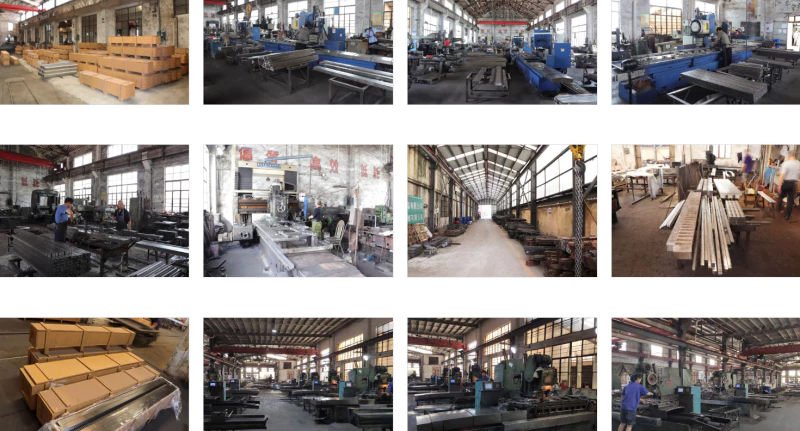
Our company specializes in the production and sale of high-quality automobile gears. We have years of experience in the industry and a team of skilled engineers and technicians who are dedicated to providing the best products and services to our customers.
Some of the key advantages of our products and services include:
- High-quality materials and manufacturing processes
- Customized and specialized gears for unique applications
- Reliable and responsive customer service
- Competitive pricing and cost-effectiveness
- Rigorous testing and quality control procedures
We are committed to providing our customers with the best products and services in the industry. Contact us today to learn more about our products and how we can help you with your automobile gear needs.
Q&A
Q1. What causes gear wear in automobiles?
A1. Gear wear in automobiles can be caused by a variety of factors, including the quality of the gear materials, the design and manufacturing processes, and the operating conditions of the vehicle.
Q2. How can I choose the right automobile gear for my vehicle?
A2. To choose the right automobile gear for your vehicle, you should have a clear understanding of the requirements of the application, select the appropriate material, optimize the design, choose a reliable supplier, ensure cost-effectiveness, and ensure quality control.
Q3. How can I maintain my automobile gears?
A3. To maintain your automobile gears, you should inspect them regularly, clean and prevent corrosion, lubricate and maintain them, and improve and upgrade them as necessary.
Q4. What are the key performance characteristics of automobile gears?
A4. The key performance characteristics of automobile gears include strength and durability, efficiency and smoothness of operation, noise and vibration, compatibility with other transmission components, and cost-effectiveness.
Q5. What are the different types of automobile gears?
A5. The different types of automobile gears include straight-cut gears, spiral-cut gears, helical gears, bevel gears, and worm gears.
Author: Dream