best automobile gear testing methods

Best Automobile Gear Testing Methods
Automobile gear testing is an important aspect of automotive manufacturing. It guarantees that an automobile’s gears work efficiently and safely. In this article, we will discuss the best automobile gear testing methods, the relationship between the testing methods and automobile gear, the performance characteristics of automobile gear, the types of automobile gear, the application of automobile gear in various fields, the future development trend of automobile gear, how to select the correct automobile gear, how to maintain automobile gear, why choose us and a Q&A to provide you with a comprehensive understanding of automobile gear.
Best Automobile Gear Testing Methods
The best automobile gear testing methods are essential to ensure the efficiency and safety of automobile gears. The following are some of the commonly used automobile gear testing methods:
Mechanical Test
Mechanical testing is a process of subjecting automobile gears to various mechanical forces to determine their ability to handle different loads and stresses. The gears are tested for maximum torque, load-carrying capacity, and bending strength.
Magnetic Particle Inspection
Magnetic particle inspection is a non-destructive testing method that detects surface and slightly subsurface discontinuities in automobile gears. It involves the application of a magnetic field to the gear and then dusting it with iron particles. Any flaws or irregularities in the gear surface will cause the particles to align and create a visible indication.
Ultrasonic Testing
Ultrasonic testing is another non-destructive testing method used to detect flaws in automobile gears. It uses high-frequency sound waves to penetrate the gear and detect any internal defects, such as voids or cracks.
Best Automobile Gear Testing Methods and Automobile Gear
Automobile gear testing is crucial because it ensures the quality and safety of automobile gear. By subjecting the gears to various testing methods, manufacturers can determine whether the gears meet the required performance standards. As a result, automobile gears that pass the testing process are more reliable and efficient.

Performance Characteristics of Automobile Gear
Automobile gears have several performance characteristics that make them suitable for their intended applications. The following are some of the characteristics of automobile gear:
Efficiency
Automobile gears are designed to transfer motion and power between parts of the automobile while minimizing energy loss.
Durability
Automobile gears are made to withstand high stress and load for long periods without breaking down.
Noise Reduction
Automobile gears are designed to minimize noise during operation, which is essential for driver comfort.
High Precision
Automobile gears are designed to meet tight tolerances to ensure reliable and consistent performance.
Heat Resistance
Automobile gears are designed to withstand high temperatures without breaking down or losing their properties.

Types of Automobile Gear and Their Characteristics
There are different types of automobile gear, and each has its unique characteristics that make it suitable for specific applications. Here are some of the types:
Bevel Gear
Bevel gear is a type of gear used to transmit power between two intersecting shafts. They are commonly used in the differential of automobiles.
Helical Gear
Helical gear is a type of gear used to transmit power between parallel shafts. They are quieter and more efficient than spur gears.
Worm Gear
Worm gear is a type of gear used to transmit power between perpendicular shafts. They have higher torque capacity but lower efficiency.
Spur Gear
Spur gear is a type of gear used to transmit power between parallel shafts. They are the simplest and most common type of gear.
Each type of automobile gear has unique characteristics that make it suitable for specific applications.
Application of Automobile Gear
Automobile gear has different applications in various fields, such as:
Transmission System
Automobile gear is used in the transmission system to transfer power from the engine to the wheels, allowing the vehicle to move at different speeds.
Steering System
Automobile gear is used in the steering system to transfer power from the steering wheel to the wheels, allowing the driver to steer the vehicle.
Power Steering Pump
Automobile gear is used in the power steering pump to amplify the force applied to the steering wheel, making it easier for the driver to steer the vehicle.
Starter Motor
Automobile gear is used in the starter motor to crank the engine and start the vehicle.
Transfer Case
Automobile gear is used in the transfer case to transfer power between the front and rear axles in four-wheel drive vehicles.
Future Development Trend of Automobile Gear
The future development trend of automobile gear is towards lightweight, high-strength, and high-performance gears. The use of advanced materials, such as carbon fiber composites and aluminum alloys, will become more widespread. Moreover, the increasing demand for electric vehicles will drive the development of more efficient and precise gears to improve the performance of these vehicles.
How to Select the Correct Automobile Gear
Selecting the correct automobile gear is crucial to ensure the efficiency and safety of the vehicle. Here are some factors to consider:
Clear Requirements
Understand the requirements of the application, such as the load capacity, speed, and torque, to select the right gear.
Material Selection
Choose the appropriate material based on the application, such as carbon steel, alloy steel, or stainless steel.
Design Optimization
Optimize the design of the gear to meet the requirements and reduce energy loss and noise.
Supplier and After-sales Service
Choose a reliable supplier that provides high-quality products and excellent after-sales service.
Cost-effectiveness
Consider the cost-effectiveness of the gear, including the initial cost, maintenance, and lifetime cost.
Quality Control
Ensure that the gear meets the required quality standards through rigorous testing and inspection.

How to Maintain Automobile Gear
Maintaining automobile gear is essential to ensure its longevity and efficiency. Here are some maintenance tips:
Equipment Regular Inspection
Inspect the gear regularly to detect any signs of wear or damage.
Clean and Prevent Corrosion
Clean the gear regularly to prevent corrosion and rust.
Lubrication and Maintenance
Lubricate the gear regularly to reduce friction and wear and improve its efficiency.
Replace Worn Parts
Replace worn parts of the gear promptly to prevent further damage.
Upgrade and Improvement
Periodically upgrade and improve the gear to enhance its performance and lifespan.
Why Choose Us
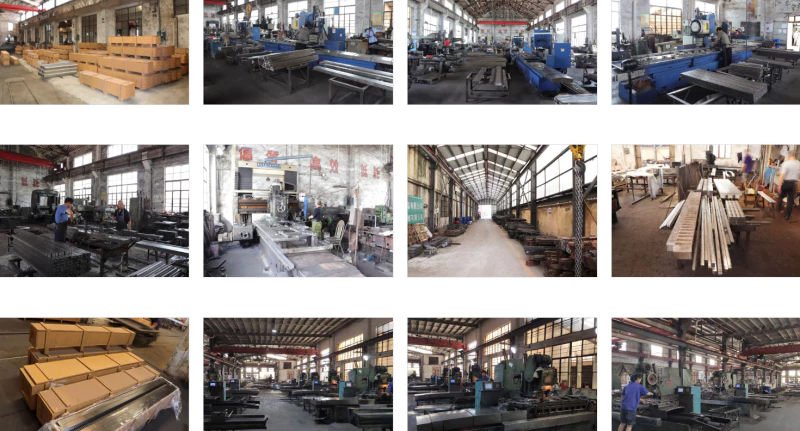
Our company specializes in the production and sales of high-quality automobile gear. Here are some of the reasons to choose us:
High-Quality Products
We provide high-quality automobile gear that meets or exceeds industry standards.
Competitive Pricing
We offer competitive prices for our products without compromising quality.
Customization
We offer custom-made automobile gear to meet specific customer requirements.
Excellent Customer Service
We provide excellent customer service, including technical support and after-sales service.
Fast Delivery
We provide fast delivery of our products to ensure customer satisfaction.
Q&A
Q1. What is the maximum load capacity of an automobile gear?
The maximum load capacity of an automobile gear depends on various factors, such as the type of gear, material used, and application. Generally, automobile gears have a load capacity ranging from a few hundred pounds to several thousand pounds.
Q2. What is the difference between spur gear and helical gear?
Spur gear and helical gear differ in design and performance. Spur gear has straight teeth and is the simplest and most common type of gear. Helical gear has slanted teeth and is more efficient and quieter than spur gear.
Q3. How is magnetic particle inspection performed?
Magnetic particle inspection involves the application of a magnetic field to the gear and then dusting it with iron particles. Any flaws or irregularities in the gear surface will cause the particles to align and create a visible indication.
Q4. How does automobile gear improve the efficiency of the vehicle?
Automobile gear improves the efficiency of the vehicle by transferring motion and power between parts of the automobile while minimizing energy loss. They also allow for the use of different speeds and torques, improving the overall performance of the vehicle.
Q5. What are the future trends in automobile gear development?
The future development trend of automobile gear is towards lightweight, high-strength, and high-performance gears. The use of advanced materials, such as carbon fiber composites and aluminum alloys, will become more widespread. Moreover, the increasing demand for electric vehicles will drive the development of more efficient and precise gears to improve the performance of these vehicles.
Author: Dream