China best High Precision OEM Custom Transmission Parts Stainless Steel Bevel Helical Gear for Industrial Usage hypoid bevel gear
Product Description
1. Part Name:
High Precision OEM Custom Transmission Parts Stainless Steel Bevel Helical Gear for Industrial Usage
2. Parts Parameter
| Process Technology | Workable size | Tolerance |
| CNC Turning | Φ0.5 – φ300 * 750 mm | +/-0.003 mm |
| CNC Milling | 510 * 1571 * 500 mm(max) | +/-0.01 mm |
| Drawing Format | IGS, STP, X_T, DXF, DWG, PRO/E, PDF | |
| Test Equipment | Projector, CMM, Altimeter, Micrometer, Thread Gages, Calipers, Pin Gauge etc. | |
3. Material Available:
| Stainless Steel | SS201, SS301, SS303, SS304, SS316, SS416 etc. |
| Steel | Mild steel, Carbon steel, 4140, 4340, Q235, Q345B, 20#, 45# etc. |
| Brass | HPb63, HPb62, HPb61, HPb59, H59, H62, H68, H80 etc. |
| Copper | C11000, C12000, C12000 C36000 etc. |
| Aluminum | AL6061, Al6063, AL6082, AL7075, AL5052, A380 etc. |
| Iron | A36, 45#, 1213, 12L14, 1215 etc. |
| Plastic | ABS, PC, PE, POM, Delrin, Nylon, PP, PEI, Peek etc. |
3.Surface Treatment Available
| Zinc plating, Chrome plating, Nickel plating, Tin plating, Polishing, Anodizing, Power-coating, Oxide black, Sandblast Anodizing, Electroless nickel, Fe/Zn8/C PER ISO 2081, etc. |
4.Our Main Production & Inspection Equipments :
MARCHTON has 3, 4, and 5 axis CNC machining centers , CNC lathes, precision CNC milling machine, grinding machine, wire cutting, EDM machine, spectrometer, electronic altimeter, CMM etc. More than 50 sets of machine and testing equipment
5. Our Advantages:
1. 10 years more experienced engineers team and well trained sales team to support every project
2. Long term cooperation is our target, quality and price are our basic to achieve it.
3. Provide different shipping way quotes to customer, accordingly customer accepted delivery time to find cheapest shipping way.
4. Well organized and clean workshop environment for all employees
6. Package & Shipping:
1. Well packed wooden box for the best protection during transportation from our door to the customer’s door
2. Small MOQ orders, we protect your parts in transportation as Soft paper\cardboard\bubble bag etc + Harden cartons + Foam
7. Application:
8. FAQ:
1) Are you a factory or a trade company?
We are manufacture, so we can offer you the competitive price and fast lead time. Welcome to visit out factory.
2) Can you provide some samples?
Yes. Samples can be provided. You just need to bear some sample cost and we’ll return it back when proceed into mass production.
3) Will my drawing be safe after you get it?
Yes. We will not release your design to the third party without your permission.
4) How to deal with the parts received when they are found to be in poor quality?
Please rest assured that all our products are QC 100% inspected and accepted with inspection report before delivery and generally there will no non-conformance; in case of non-conformance, please contact us immediately, take some pictures, we will check the problems and have them reworked or repaired at the first time. The resulting transportation costs are borne by our company.
9. Why Choose Us:
1. Quick quotation according to technical drawing
2. Professional in developing ,manufacturing & stamping
3. Provide the sample for your reference
4. High quality with competitive price
5. Work safety control and precision testing
/* March 10, 2571 17:59:20 */!function(){function s(e,r){var a,o={};try{e&&e.split(“,”).forEach(function(e,t){e&&(a=e.match(/(.*?):(.*)$/))&&1
| Application: | Fastener, Auto and Motorcycle Accessory, Hardware Tool, Machinery Accessory |
|---|---|
| Standard: | GB, EN, China GB Code, JIS Code, TEMA, ASME |
| Surface Treatment: | Brushed |
| Production Type: | Mass Production |
| Machining Method: | CNC Machining |
| Material: | Nylon, Steel, Plastic, Brass, Alloy, Copper, Aluminum, Iron |
| Samples: |
US$ 0.37/Piece
1 Piece(Min.Order) | |
|---|
| Customization: |
Available
| Customized Request |
|---|
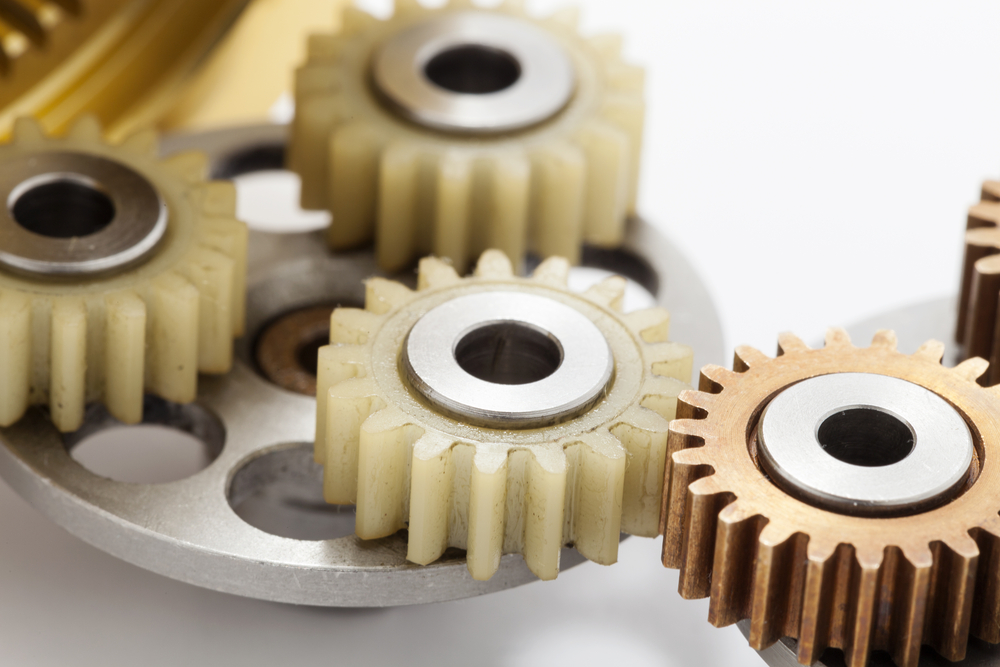
How do you choose the right type of plastic material for specific applications?
Choosing the right type of plastic material for specific applications requires careful consideration of various factors. Here’s a detailed explanation of the process:
1. Identify Application Requirements: Begin by understanding the specific requirements of the application. Consider factors such as temperature range, chemical exposure, mechanical stress, electrical properties, dimensional stability, and regulatory compliance. This initial assessment will help narrow down the suitable plastic material options.
2. Research Plastic Material Properties: Conduct thorough research on different types of plastic materials and their properties. Consider factors such as mechanical strength, thermal stability, chemical resistance, electrical conductivity, impact resistance, UV stability, and food safety approvals. Plastic material datasheets and technical resources from manufacturers can provide valuable information.
3. Evaluate Material Compatibility: Assess the compatibility of the plastic material with the surrounding environment and other components in the system. Consider the potential for chemical reactions, galvanic corrosion, thermal expansion, and any specific requirements for mating surfaces or interfaces. Ensure the selected material is compatible with the intended operating conditions.
4. Consider Manufacturing Process: Evaluate the manufacturing process involved in producing the desired component or product. Different plastic materials may have specific requirements or limitations for processes such as injection molding, extrusion, blow molding, or machining. Ensure the chosen material is compatible with the selected manufacturing method and can meet the desired quality and production efficiency.
5. Assess Cost and Availability: Consider the cost and availability of the plastic material. Some specialty or high-performance plastics may be more expensive or have limited availability compared to more common materials. Evaluate the cost-effectiveness and feasibility of using the selected material within the project’s budget and timeline.
6. Consult with Material Experts: If necessary, consult with material experts, engineers, or suppliers who have expertise in plastic materials. They can provide valuable insights and recommendations based on their experience and knowledge of specific applications. Their input can help ensure the optimal material selection for the intended use.
7. Perform Prototype and Testing: Before finalizing the material selection, it’s advisable to produce prototypes or conduct testing using the chosen plastic material. This allows for verification of the material’s performance, dimensional accuracy, strength, durability, and other critical factors. Iterative testing and evaluation can help refine the material selection process if needed.
By following these steps and considering the application requirements, material properties, compatibility, manufacturing process, cost, and expert advice, it’s possible to choose the most appropriate plastic material for specific applications. Proper material selection is crucial for ensuring optimal performance, longevity, and safety in various industries and products.
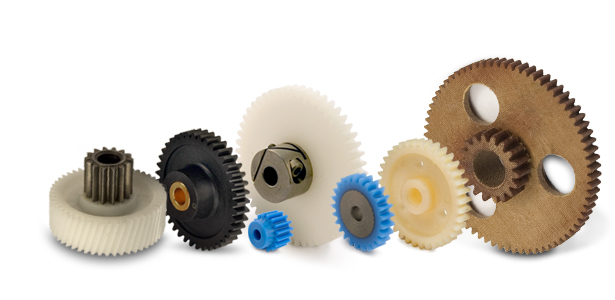
Can plastic gears be used in automotive applications?
Yes, plastic gears can be used in automotive applications. Here’s a detailed explanation:
Plastic gears have several advantages that make them suitable for certain automotive applications. They are lightweight, have good wear resistance, offer design flexibility, and can operate with low noise levels. However, it’s important to consider the specific requirements and limitations of automotive applications before using plastic gears.
1. Non-load Bearing Applications: Plastic gears are commonly used in non-load bearing applications within automotive systems. These include applications such as instrument clusters, HVAC systems, seat adjustments, and interior components. In these cases, the gears are subjected to relatively low loads and can effectively perform their functions while offering benefits such as weight reduction and cost efficiency.
2. Auxiliary Systems: Plastic gears can also be used in auxiliary systems of vehicles, such as windshield wipers, window regulators, and sunroof mechanisms. These systems typically operate at lower loads and speeds compared to primary powertrain components. Plastic gears can provide reliable performance in these applications while contributing to weight reduction and improved fuel efficiency.
3. Noise and Vibration: Plastic gears have inherent damping properties that can help reduce noise and vibration in automotive applications. This is particularly advantageous in areas where noise reduction is a priority, such as electric window mechanisms or HVAC systems. Plastic gears can contribute to a quieter and more comfortable driving experience.
4. Design Flexibility: Plastic gears offer design flexibility, allowing for complex shapes and customization to meet specific automotive requirements. They can be molded with precision to achieve intricate gear profiles and optimize gear performance. The flexibility in design can lead to improved efficiency, reduced weight, and space-saving advantages in automotive systems.
5. Material Selection: The selection of the appropriate plastic material is crucial for automotive applications. Certain plastic materials, such as engineering thermoplastics like POM (polyoxymethylene) or PA (polyamide), offer higher strength, rigidity, and wear resistance compared to standard plastics. These materials can withstand the demands of automotive environments, including temperature variations and exposure to chemicals or oils.
6. Load-Bearing Applications: While plastic gears are commonly used in non-load bearing or low-load applications within the automotive industry, they may have limitations in high-load or high-torque applications. Metal gears, such as steel or cast iron, are generally preferred for primary powertrain components such as transmissions and differential systems, where higher strength and durability are required to handle the significant loads and forces involved.
7. Environmental Considerations: Automotive applications can expose gears to various environmental factors such as temperature extremes, humidity, UV radiation, and exposure to chemicals or oils. The selected plastic material should have good resistance to these environmental conditions to ensure long-term durability and performance.
In summary, plastic gears can be successfully used in certain automotive applications, particularly in non-load bearing or low-load scenarios, as well as in auxiliary systems. They offer advantages such as weight reduction, design flexibility, and noise reduction. However, when considering the use of plastic gears in automotive applications, it’s important to carefully evaluate the specific requirements, loads, environmental conditions, and material selection to ensure optimal performance and durability.
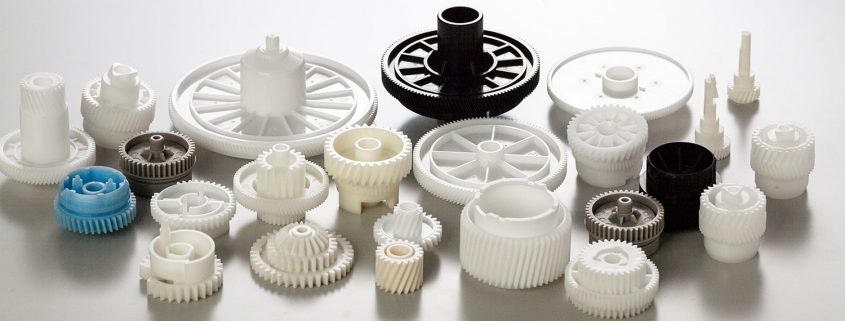
What are plastic gears and how are they used?
Plastic gears are gear components made from various types of polymers or plastic materials. They offer unique properties and advantages compared to traditional metal gears. Here’s a detailed explanation of plastic gears and their applications:
- Types of Plastic Materials: Plastic gears can be manufactured from different types of polymers, including thermoplastics such as acetal (polyoxymethylene – POM), nylon (polyamide – PA), polycarbonate (PC), and polyethylene (PE), as well as thermosetting plastics like phenolic resins. Each material has its own specific characteristics, such as strength, wear resistance, and temperature resistance, which make them suitable for different applications.
- Advantages of Plastic Gears: Plastic gears offer several advantages over metal gears, including:
- Lightweight: Plastic gears are lighter in weight compared to metal gears, which can be beneficial in applications where weight reduction is important.
- Low Noise and Vibration: Plastic gears can provide quieter operation due to their inherent damping properties that reduce noise and vibration levels.
- Corrosion Resistance: Certain plastic materials used in gear manufacturing exhibit excellent resistance to corrosion and chemicals, making them suitable for applications in corrosive environments.
- Self-Lubrication: Some plastic materials have self-lubricating properties, reducing the need for external lubrication and simplifying maintenance.
- Cost-Effective: Plastic gears can be more cost-effective compared to metal gears, especially in large-scale production, due to the lower material and manufacturing costs.
- Applications of Plastic Gears: Plastic gears find applications in various industries and systems, including:
- Automotive: Plastic gears are used in automotive systems such as windshield wipers, HVAC systems, seat adjusters, and electric power steering systems.
- Consumer Electronics: Plastic gears are commonly found in consumer electronics like printers, scanners, cameras, and home appliances.
- Medical Devices: Plastic gears are used in medical equipment and devices where weight reduction, low noise, and corrosion resistance are desired.
- Toy Manufacturing: Plastic gears are extensively used in the production of toys, including mechanical toys, hobby models, and educational kits.
- Office Equipment: Plastic gears are employed in office equipment like printers, copiers, and scanners, where quiet operation and cost-effectiveness are important.
- Industrial Machinery: Plastic gears can be utilized in various industrial machinery applications, such as conveyor systems, packaging equipment, and textile machinery.
It’s important to note that while plastic gears offer unique advantages, they also have limitations. They may not be suitable for applications requiring extremely high torque, high temperatures, or where precise positioning is critical. The selection of plastic gears should consider the specific requirements of the application and the mechanical properties of the chosen plastic material.


editor by CX 2024-01-11