China Best Sales 133 Tooth Ring Gear 49917gt 49917 for Genie Telescopic Boom Lift S-40 supplier
Product Description
Product Description
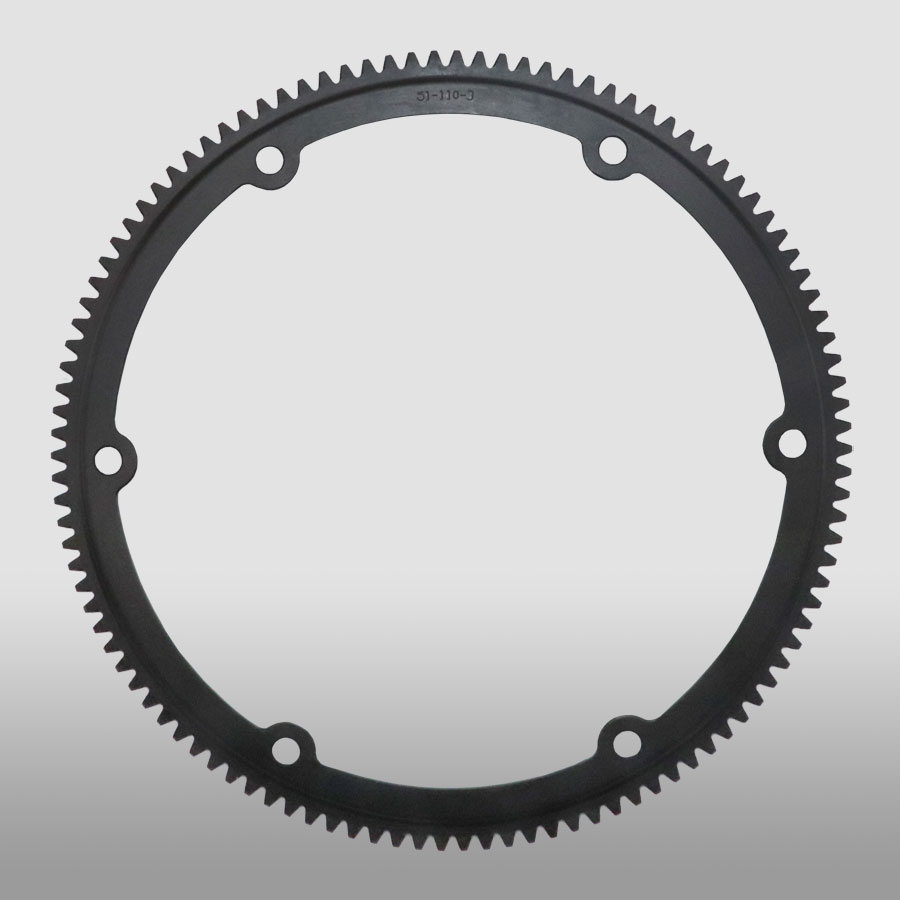
133 Tooth Ring Gear 49917GT 49917 For Genie Telescopic Boom Lift S-40 S-45
| Part NO: | 49917GT 49917 |
| Used for: | Genie Telescopic Boom Lift S-40 S-45 S-60 S-65 Z-45/22 Z-45/25J Z-60/34 |
| Related Product: | Starter/Alternator/Solenoi Valve/Overhaul Kit/Turbo Repair Kit |
| Feature: | Good quality;Fast delivery;12 Months Warranty |
Certifications
HangZhou CHINAMFG Mechanical & Electrical Co., Ltd. is a leading provider of high-quality replacement parts for various industries. With a strong focus on customer satisfaction for over 15 years, we have established ourselves as a market leader in the following product categories:
View More Products, You Can Click Product Keywords…
| Main Products | |
| Diesel Engine Parts | Construction Equipment Parts |
| Agriculture Equipment Parts | Aerial Work Platform Parts |
| Transmission system parts | Forklift parts |
Our comprehensive product categories include Engine parts, Electrical Parts, Hydraulic parts, Transmission parts, Classis Parts, and more. As a unique supplier, we prioritize our customers as our most valuable resource. We are dedicated to providing exceptional service and competitive prices.
OUR TEAM & EXHIBITION
Packaging & Shipping
FAQ
Q:Are you trading company or manufacturer?
A:We are trading company,but have own outsourcing factories, production quality is guaranteed.
Q:Why choose FridayParts?
A:
15+ Years Experience
176+ Countries Sold
20000+ Inventory
60000 SQ FT Warehouse
1000+ New ProductsYearly
Q: How long is your delivery time?
A: Generally it is 1-2 days if the goods are in stock. or it is 7-30 days if the goods are not in stock, it is according to quantity.
Q: Do you provide samples ? is it free or extra ?
A: Yes, we could offer the sample for quality testing but not free.
Q: How about the warranty?
A: Usually Our Warranty is 12 month. Otherwise, if any quality problem, we accept money refund in 15 days..
You can try Trade Assurance, you’ll enjoy:
— 100% product quality protection
— 100% on-time shipment protection
— 100% payment protection for your covered amount
/* January 22, 2571 19:08:37 */!function(){function s(e,r){var a,o={};try{e&&e.split(“,”).forEach(function(e,t){e&&(a=e.match(/(.*?):(.*)$/))&&1
| After-sales Service: | 12 Months |
|---|---|
| Warranty: | 12 Months |
| Type: | Ring Gear |
| Application: | Lift |
| Certification: | CE |
| Condition: | New |
| Customization: |
Available
| Customized Request |
|---|
Are there different types of ring gears available?
Yes, there are different types of ring gears available to suit various applications and functional requirements. Here’s a detailed explanation of the different types of ring gears:
- External Ring Gears: External ring gears, also known as external annular gears, have teeth on the outer circumference of the gear. These gears mesh with an internal gear or a pinion gear. External ring gears are commonly used in applications where the gear rotation needs to be transferred to an internal gear or where a high gear ratio is desired.
- Internal Ring Gears: Internal ring gears, also known as internal annular gears, have teeth on the inner circumference of the gear. These gears mesh with an external gear or a pinion gear. Internal ring gears are frequently used in applications where the gear rotation needs to be transmitted to an external gear or where a compact gear assembly is required.
- Segmental Ring Gears: Segmental ring gears are ring gears that are divided into segments or sectors. Each segment has a portion of the gear’s circumference with teeth. These segments can be individually mounted or assembled together to form a complete ring gear. Segmental ring gears are used in applications where flexibility in gear installation or replacement is necessary, such as large-scale gear systems or machinery with limited access.
- Spur Ring Gears: Spur ring gears have straight teeth that are parallel to the gear’s axis of rotation. These gears offer simple and efficient operation with high gear ratios. Spur ring gears are commonly used in applications that require precise motion control, such as robotics, automotive transmissions, and industrial machinery.
- Helical Ring Gears: Helical ring gears have teeth with a helix angle. The helical teeth form a helical or spiral pattern around the gear’s circumference. Helical ring gears provide smoother and quieter operation compared to spur ring gears due to the gradual engagement of the teeth. They are often used in applications that demand high torque transmission, such as heavy machinery, marine propulsion systems, and power generation equipment.
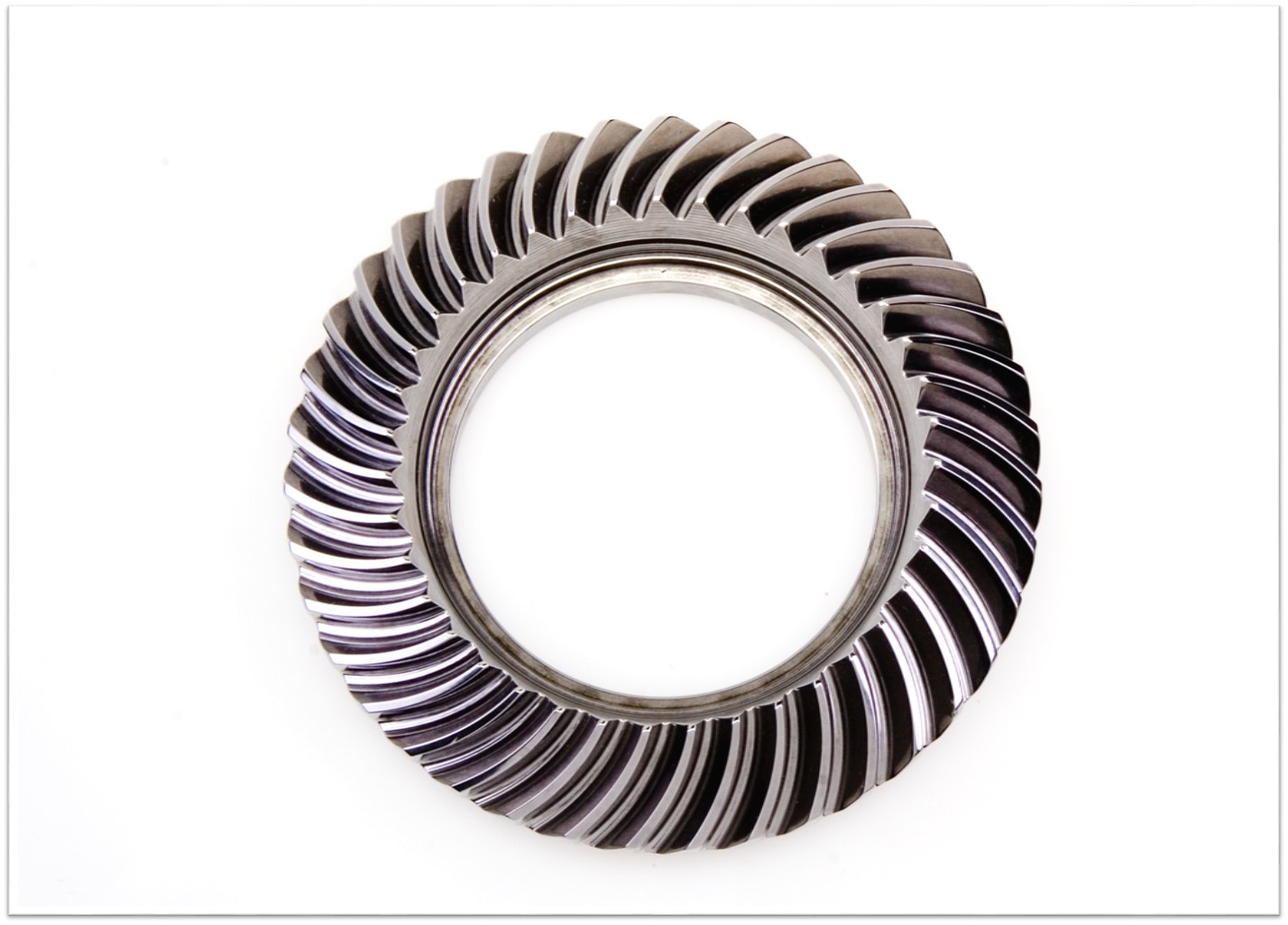
- Bevel Ring Gears: Bevel ring gears have teeth that are conically shaped and intersect the gear’s axis of rotation. These gears are used in applications that require the transmission of motion and torque between shafts that are not parallel but intersect at an angle. Bevel ring gears are commonly found in automotive differentials, hand tools, and various industrial machinery.
- Planetary Ring Gears: Planetary ring gears are part of planetary gear systems, which consist of multiple gears arranged in a planetary configuration. The ring gear serves as the stationary outer gear, while other gears, such as sun gears and planet gears, revolve around it. Planetary ring gears are used in applications that require compact and efficient gear systems, such as automotive transmissions, robotics, and aerospace mechanisms.
The specific type of ring gear chosen for a particular application depends on factors such as load requirements, space limitations, gear ratios, operating conditions, and desired performance characteristics.
How does a ring gear impact the overall efficiency of a system?
A ring gear plays a significant role in the overall efficiency of a system. Here’s a detailed explanation of how a ring gear impacts system efficiency:
- Power Transmission: Ring gears are responsible for transmitting power from one component to another within a system. They facilitate the transfer of rotational energy and torque between gears, shafts, or other drivetrain elements. The design and quality of the ring gear, along with its meshing with other gears, directly affect the efficiency of power transmission. Well-designed and properly maintained ring gears minimize energy losses due to friction, misalignment, or backlash, resulting in higher overall system efficiency.
- Friction and Wear: The interaction between the ring gear and other gears or components introduces friction, which can lead to energy losses and reduced efficiency. The smoothness of the gear surfaces, the quality of the lubrication, and the design of the gear teeth profile all influence the amount of friction generated. High-quality ring gears with proper lubrication and optimized tooth profiles can minimize friction and wear, thereby improving system efficiency by reducing energy losses.
- Mechanical Losses: In any gear system, there are inherent mechanical losses due to factors such as gear meshing, rolling resistance, and internal friction. These losses can impact the overall efficiency of the system. The design and quality of the ring gear, including factors such as gear tooth geometry, material selection, and surface finish, can help minimize mechanical losses. By reducing these losses, the ring gear contributes to improved system efficiency.
- Load Distribution: Ring gears play a critical role in distributing loads within a system. They help evenly distribute the forces and torque applied to the gear system, preventing localized overloading and reducing the risk of premature component failure. Proper load distribution achieved through well-designed ring gears ensures balanced operation, minimizes stress concentrations, and optimizes the system’s overall efficiency.
- Backlash and Precision: Backlash refers to the play or clearance between the gear teeth when they change direction. Excessive backlash can result in inefficient power transmission, reduced accuracy, and increased wear. Ring gears with tight tolerances and precise manufacturing help minimize backlash, ensuring smooth and efficient operation. By reducing backlash and maintaining precise gear meshing, the ring gear contributes to improved system efficiency and accuracy.
- System Integration and Compatibility: Ring gears must be properly integrated into the overall system design and be compatible with other components. The alignment, mounting, and proper engagement of the ring gear with other gears or components are crucial for efficient operation. Misalignment or compatibility issues can lead to increased friction, wear, and energy losses. A well-integrated ring gear that is compatible with the system’s requirements contributes to improved overall efficiency.
- Maintenance and Lubrication: Regular maintenance and proper lubrication of the ring gear are essential for maintaining efficiency. Adequate lubrication reduces friction, wear, and heat generation, promoting efficient power transmission. Regular inspections, lubricant analysis, and timely lubricant replenishment or replacement help ensure optimal performance and efficiency of the ring gear and the overall system.
Overall, the design, quality, maintenance, and proper integration of the ring gear within a system significantly impact its efficiency. Through minimizing friction, reducing mechanical losses, optimizing load distribution, and ensuring precise operation, a well-designed and properly maintained ring gear contributes to improved overall system efficiency.
Can you explain the concept of meshing with a ring gear?
Meshing with a ring gear refers to the process of engaging and interlocking the teeth of a gear with the internal teeth of a ring gear. It is a fundamental concept in gear systems where the rotation and torque transfer occur between two gears. Here’s a detailed explanation of the concept of meshing with a ring gear:
When two gears come into contact and their teeth interlock, they are said to be meshing. In the case of a ring gear, the meshing occurs when the teeth of an external gear, such as a pinion gear, engage with the internal teeth of the ring gear. The teeth of the pinion gear fit precisely between the teeth of the ring gear, creating a mechanical connection.
The process of meshing involves several important considerations:
- Tooth Engagement: Proper tooth engagement is crucial for efficient and smooth meshing. The teeth of the gears must align correctly to ensure a proper fit. This alignment ensures that the teeth make contact at the correct pitch point and maintain a consistent mesh throughout the gear rotation.
- Tooth Profile: The tooth profile, such as the shape and size of the teeth, is designed to facilitate smooth meshing. The profile ensures that the teeth slide smoothly against each other without excessive friction, noise, or wear. The tooth profile also affects the load distribution, torque transmission, and overall performance of the gear system.
- Lubrication: Lubrication plays a crucial role in the meshing process. It helps reduce friction and wear between the teeth, ensuring smooth operation and preventing damage to the gears. Proper lubrication also helps dissipate heat generated during meshing, improving the overall efficiency and reliability of the gear system.
- Clearance and Backlash: Clearance and backlash are important considerations in gear meshing. Clearance refers to the space between the tips of the teeth of the external gear and the root of the teeth of the ring gear. Backlash is the amount of play or movement between the engaged teeth. Proper clearance and backlash are necessary to prevent interference, ensure smooth rotation, and accommodate any misalignment or thermal expansion that may occur during operation.
The quality of the meshing directly affects the performance, efficiency, and reliability of the gear system. Proper design, manufacturing precision, and maintenance practices are essential to achieve optimal meshing between gears, including ring gears.
It’s important to note that the specific parameters and requirements for meshing, such as tooth geometry, clearance, backlash, and lubrication, may vary depending on the application, gear type, and operating conditions.


editor by CX 2024-03-01