China Best Sales Customized Precision 90 Degree Gearbox Spiral Bevel Gears supplier
Product Description
Customized Precision 90 Degree Gearbox Spiral Bevel Gears
| Mechanical Equipment parts Bevel Gears
Bevel gears are useful when the direction of a shaft’s rotation needs to be changed. They are usually mounted on shafts that are 90 degrees apart, but can be designed to work at other angles as well.The teeth on bevel gears can be straight, spiral or hypoid. Straight bevel gear teeth actually have the same problem as straight spur gear teeth — as each tooth engages, it impacts the corresponding tooth all at once |
||
|
High quality gear supplier 1.precise manufacturing processes and strict quality control, our factory can create excellent quality. |
||
|
Tolerance |
0.003mm-0.01mm |
|
|
Surface finish |
Based on customer requirements, we can do Plating(Zinc plated, Nickel plated, Chrome plated,etc), polishing(precision can reach +/-0.005mm), knurling, anodizing, Black Oxide, heat treatment, sandblasting, powder coating, etc. |
|
|
Precision processing |
turning, milling, drilling, grinding, wire-EDM cutting etc |
|
|
Material range |
Metal: Stainless Steel, Brass,Copper, Brozone, Aluminum, Steel, Carbon Steel etc. |
|
|
Plastic : PU, PVC, POM, PMMA, Nylon ,HDPE etc. |
||
|
QC(inspection everywhere)
|
– Technicians self-check in production |
|
|
– Engineer spot check in production. |
||
|
– QC inspect after products finished |
||
|
– International sales who were trained the technical know-how spot check before shipping to ensure the quality. |
||
|
MOQ |
1-100pcs |
|
|
Payment |
30% in advance, 70% before shipment |
|
| Industry application |
Appliance/ Automotive/ Agricultural Electronics/ Industrial/ Marine Mining/ Hydraulics/ Valves Oil and Gas/ Electrical/ Construction |
|
| Model | Gear ratio | Module | No. of teeth | Diraction of spiral | Shape | Bore | Hub dia. | Pitch dia. | Outside Dia. | Mounting distance | Total lemgth | crown to back length |
| AH7 | B | C | D | E | F | G | ||||||
| TBGG2-3571R | 1.5 | m2 | 30 | R | B4 | 12 | 35 | 60 | 61.06 | 40 | 26.60 | 21.20 |
| TBGG2-2030L | 20 | L | B3 | 10 | 30 | 40 | 43.55 | 45 | 24.91 | 16.18 | ||
| TBGG2.5-3571R | m2.5 | 30 | R | B4 | 15 | 45 | 75 | 77.09 | 50 | 33.86 | 26.56 | |
| TBGG2.5-2030L | 20 | L | B3 | 12 | 40 | 50 | 54.43 | 55 | 30.88 | 18.98 | ||
| TBGG3-3571R | m3 | 30 | R | B4 | 16 | 50 | 90 | 92.21 | 50 | 35.34 | 26.66 | |
| TBGG3-2030L | 20 | L | B3 | 16 | 40 | 60 | 65.58 | 70 | 40.17 | 26.86 | ||
| TBGG4-3571R | m4 | 30 | R | B4 | 20 | 70 | 120 | 122.85 | 75 | 47.48 | 37.14 | |
| TBGG4-2030L | 20 | L | B3 | 20 | 60 | 80 | 87.34 | 90 | 48.17 | 32.45 | ||
| TBGG2-4571R | 2 | m2 | 40 | R | B4 | 12 | 40 | 80 | 80.99 | 40 | 32.26 | 25.99 |
| TBGG2-2040L | 20 | L | B3 | 12 | 32 | 40 | 40.10 | 60 | 34.04 | 21.02 | ||
| TBGG2.5-4571R | m2.5 | 40 | R | B4 | 15 | 50 | 100 | 101.27 | 55 | 39.65 | 31.27 | |
| TBGG2.5-2040L | 20 | L | B3 | 12 | 40 | 50 | 55.21 | 75 | 43.61 | 26.30 | ||
| TBGG3-4571R | m3 | 40 | R | B4 | 20 | 60 | 120 | 121.48 | 65 | 45.76 | 36.48 | |
| TBGG3-2040L | 20 | L | B3 | 16 | 50 | 60 | 66.06 | 90 | 50.63 | 31.52 | ||
| TBGG4-4571R | m4 | 40 | R | B4 | 20 | 70 | 160 | 162.07 | 80 | 53.69 | 42.07 | |
| TBGG4-2040L | 20 | L | B3 | 20 | 60 | 80 | 88.55 | 120 | 66.24 | 42.12 | ||
| TBGG2-4515R | 3 | m2 | 45 | R | B4 | 12 | 40 | 90 | 96.67 | 40 | 30.29 | 26.01 |
| TBGG2-1545L | 15 | L | B3 | 10 | 24 | 30 | 34.78 | 60 | 29.66 | 15.80 | ||
| TBGG2.5-4515R | m2.5 | 45 | R | B4 | 15 | 50 | 112.7 | 113.32 | 50 | 28.25 | 32.47 | |
| TBGG2.5-1545L | 15 | L | B3 | 12 | 30 | 37.5 | 43.36 | 75 | 38.27 | 19.73 | ||
| TBGG3-4515R | m3 | 45 | R | B4 | 20 | 60 | 135 | 135.99 | 55 | 40.59 | 33.98 | |
| TBGG3-1545L | 15 | L | B3 | 15 | 38 | 45 | 52.08 | 90 | 44.98 | 23.68 |
HangZhou HUANBALL Professional custom and design precision machined parts. We provide custom complete turnkey precision machining solutions to thousands of customers in diverse markets throughout the world, including medical, automotive, marine, aerospace, defense, precision instrument, home appliance, electronics, machinery, oil & gas, sensors and more.
We offer customized precision machining service and solutions that help customers meet strict operational demands.Serving a CHINAMFG customer base, we do this with:
1*Over 100 full time engineers & workers on staff to optimize efficiency and cost saving
2*Extensive testing to get the sample and mass production right the first time
3*Comprehensive in-house capabilities to meet all customer needs
4*Over 30,000 square CHINAMFG of manufacturing plant
5*Expert design and development for all custom precision machining parts
6*To better control the quality of the customized parts, we’ve invested substantially in equipment, facilities, and training. Our investments enable us to deliver every order according to specification – on time and on budget.
==================================== FAQ ======================================
1) Q: I haven’t done business with you before, how can i trust your company?
A: Our company are made-in-china CHINAMFG supplier and passed Field certification by made-in-china. What’s more,we’ve got authority certificates for ISO9001.
2) Q: How is quality ensured?
A: All our processes strictly adhere to ISO9001:2008 procedures, we have strict quality control from producing to delivery,100% inspection by professional testing centre. Small samples could be provided to you for testing.
3) Q: Can i get 1 or more samples?
A: Yes, sample orders welcomed.
4) Q: Do you give any discounts?
A: Yes, we’ll surely try my best to help you get the best price and best service at the same time.
5) Q: How to Custom-made(OEM/ODM)?
A: Please send you product drawings or samples to us if you have, and we can custom-made as you requirements.We will also provide professional advices of the products to make the design to be maximize the performance.
/* March 10, 2571 17:59:20 */!function(){function s(e,r){var a,o={};try{e&&e.split(“,”).forEach(function(e,t){e&&(a=e.match(/(.*?):(.*)$/))&&1
| Application: | Motor, Electric Cars, Motorcycle, Machinery, Marine, Toy, Agricultural Machinery, Car, Printing Machine,Cooling Tower,Power Plant |
|---|---|
| Hardness: | Hardened Tooth Surface |
| Gear Position: | Bevel Gear |
| Manufacturing Method: | Cut Gear |
| Toothed Portion Shape: | Bevel Gear |
| Material: | Stainless Steel, Brass,Copper, Brozone, Aluminum, |
| Samples: |
US$ 50/Piece
1 Piece(Min.Order) | |
|---|
| Customization: |
Available
| Customized Request |
|---|
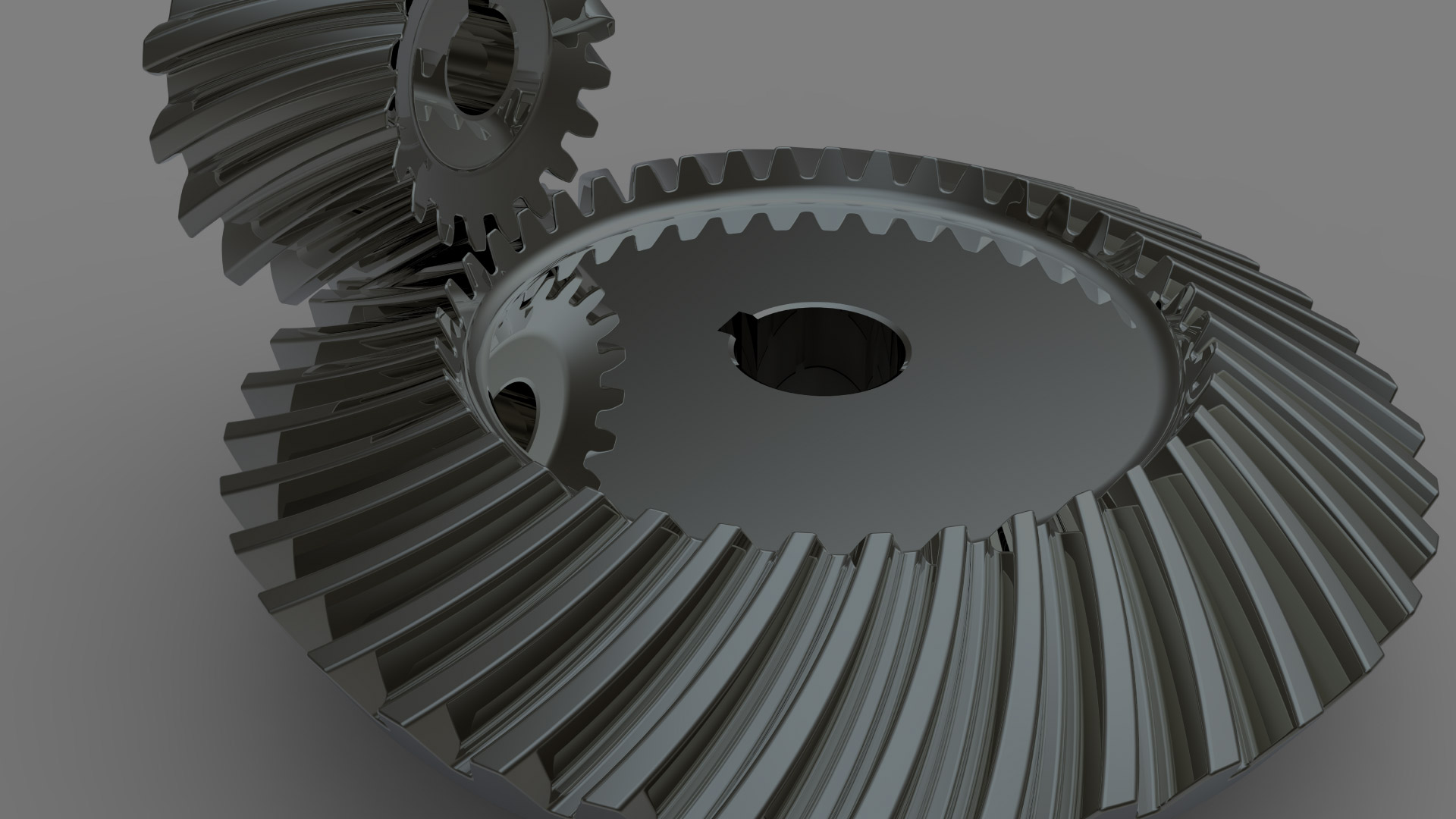
What are the advantages and disadvantages of using a bevel gear?
Bevel gears offer several advantages and disadvantages when used in mechanical systems. Understanding these pros and cons is crucial for selecting the appropriate gear type for a given application. Here’s a detailed explanation of the advantages and disadvantages of using a bevel gear:
Advantages of Bevel Gears:
- Power Transmission at Different Angles: Bevel gears are specifically designed to transmit power between intersecting shafts at different angles. They allow for efficient torque transmission and direction changes in applications where the input and output shafts are not parallel. This flexibility makes bevel gears suitable for a wide range of mechanical systems.
- Compact Design: Bevel gears have a compact and space-efficient design, allowing them to be used in applications with limited space constraints. Their ability to transmit power at an angle helps in optimizing the layout and arrangement of components in machinery and equipment.
- High Efficiency: Well-designed and properly maintained bevel gears can achieve high power transmission efficiency, typically above 95%. The efficient tooth engagement and load distribution in bevel gears minimize power losses due to friction and mechanical inefficiencies, resulting in energy-efficient operation.
- Smooth and Quiet Operation: Bevel gears generally provide smooth and quiet operation in properly designed and well-maintained systems. The meshing of the gear teeth is designed to minimize noise and vibration, ensuring smooth power transmission and reducing the need for additional noise-reducing measures.
- Versatility: Bevel gears are available in various configurations, including straight bevel, spiral bevel, and hypoid bevel gears. This versatility allows them to be used in a wide range of applications across different industries, accommodating different load capacities, speed requirements, and operating conditions.
- High Load Capacity: Bevel gears are capable of handling high loads and transmitting substantial amounts of torque. Their robust design, accurate tooth engagement, and strong materials make them suitable for heavy-duty applications where reliable power transmission is required.
Disadvantages of Bevel Gears:
- Complex Manufacturing: Bevel gears are more complex to manufacture compared to other gear types due to their three-dimensional shape and intricate tooth profiles. The manufacturing process involves specialized equipment and expertise, which can increase production costs.
- Cost: Bevel gears, especially those with high precision and load capacities, can be relatively expensive compared to other types of gears. The cost of materials, manufacturing complexity, and quality requirements contribute to their higher price.
- Potential for Noise and Vibration: In certain operating conditions, such as high speeds or misaligned gears, bevel gears can generate noise and vibration. This can be mitigated through proper design, accurate manufacturing, and maintenance practices, but additional measures may be necessary to reduce noise and vibration levels in some applications.
- Sensitive to Misalignment: Bevel gears are sensitive to misalignment, which can lead to increased friction, accelerated wear, and reduced efficiency. Proper alignment and control of backlash are essential for optimal performance and longevity of the gear system.
- Complex Lubrication: The lubrication of bevel gears can be more challenging compared to parallel-axis gears. Due to their angled tooth engagement, ensuring proper lubrication film thickness and distribution across the gear teeth requires careful consideration. Inadequate or improper lubrication can result in increased friction, wear, and reduced efficiency.
It’s important to consider these advantages and disadvantages of bevel gears in the context of specific applications and operating conditions. Proper design, selection, manufacturing, and maintenance practices can help maximize the benefits of bevel gears while mitigating their limitations.
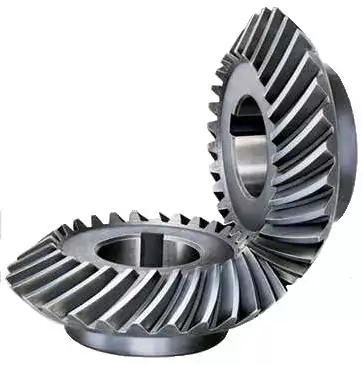
Can bevel gears be used in automotive applications?
Yes, bevel gears can be used in automotive applications due to their unique characteristics and ability to transmit power between intersecting shafts at different angles. Here’s a detailed explanation:
Bevel gears are commonly found in various automotive systems and components, offering several advantages for specific applications. Here are some key automotive applications where bevel gears are utilized:
- Differential: One of the primary applications of bevel gears in automotive systems is in the differential mechanism. The differential is responsible for distributing torque between the drive wheels while allowing them to rotate at different speeds, especially during cornering. Bevel gears, specifically hypoid gears, are used in the differential to transfer power from the driveshaft to the wheel axles at right angles. The compact size and high torque transmission capability of bevel gears make them suitable for this critical drivetrain component.
- Power Transfer: Bevel gears are utilized in automotive power transfer systems, such as transfer cases and drivelines. Transfer cases, commonly found in four-wheel drive (4WD) and all-wheel drive (AWD) vehicles, transfer power from the transmission to the front and rear axles. Bevel gears enable the necessary change in direction and torque transmission between the input and output shafts of the transfer case. Similarly, bevel gears can be used in drivelines to transfer power between differentials or between the transmission and the axles.
- Steering Systems: Bevel gears play a role in automotive steering systems, particularly in rack-and-pinion steering mechanisms. In these systems, bevel gears are used to convert the rotational motion of the steering wheel into the linear motion required for steering. Bevel gears help change the direction of motion, enabling the driver to control the vehicle’s steering angle. The compact size and precise motion transmission characteristics of bevel gears make them suitable for these steering applications.
- Auxiliary Systems: Bevel gears find application in various auxiliary automotive systems. For example, they can be used in engine timing systems to drive camshafts and synchronize valve operation. Bevel gears can also be employed in automotive differentials with limited-slip or locking capabilities, enhancing traction and vehicle stability in challenging road conditions. Additionally, they can be found in power seat adjusters, sunroof mechanisms, and other vehicle systems where torque transmission at different angles is required.
Bevel gears used in automotive applications are typically designed to withstand high loads, operate with minimal noise and vibration, and provide reliable power transmission. They are often manufactured from durable materials, such as alloy steels, and undergo heat treatment processes to enhance their strength and wear resistance.
It is important to note that the specific design and selection of bevel gears for automotive applications depend on factors such as torque requirements, space limitations, operating conditions, and cost considerations. Gear engineers and automotive manufacturers carefully consider these factors to ensure optimal performance, efficiency, and reliability in automotive systems.
In summary, bevel gears are extensively used in automotive applications, including differentials, power transfer systems, steering mechanisms, and auxiliary systems. Their ability to transmit power at varying angles, compact size, and robust construction make them well-suited for the demanding requirements of the automotive industry.
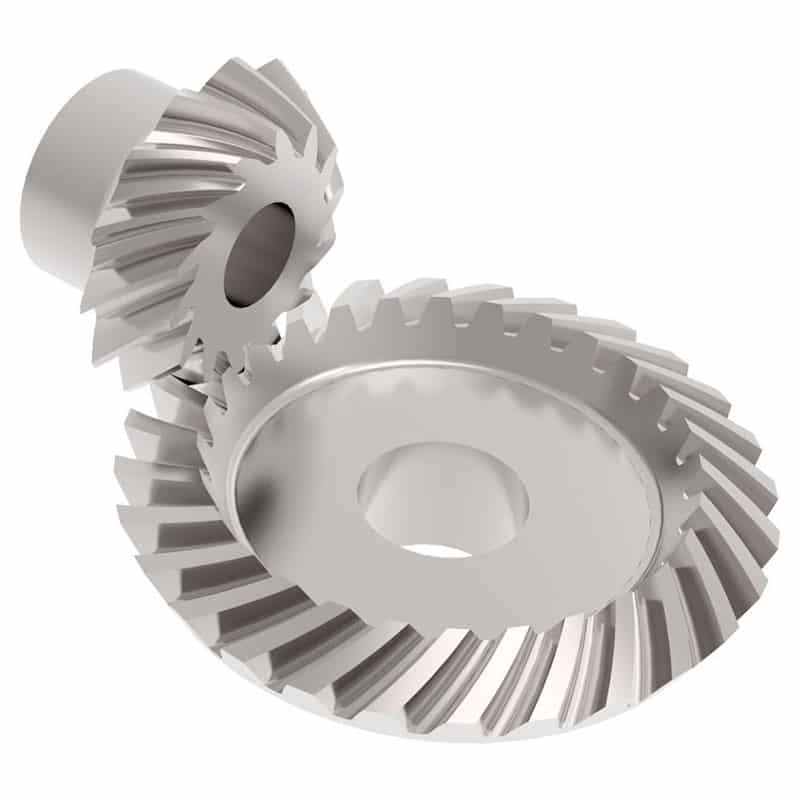
What is the purpose of using bevel gears in right-angle drives?
Using bevel gears in right-angle drives serves several purposes and offers advantages in transmitting power efficiently and smoothly at a 90-degree angle. Here’s a detailed explanation of the purpose of using bevel gears in right-angle drives:
- Change in Direction: One of the primary purposes of using bevel gears in right-angle drives is to change the direction of rotational motion. Bevel gears are designed to transmit power between intersecting or non-parallel shafts, allowing the input shaft and output shaft to be oriented at a 90-degree angle. This is particularly useful in applications where the space or mechanical constraints require a change in direction, such as in automotive differentials or power transmission systems that require a compact design.
- Space Efficiency: Bevel gears offer a space-efficient solution for right-angle drives. Their compact design allows for effective power transmission in applications with limited space. By using bevel gears, the drive system can be designed to occupy a smaller footprint compared to other mechanisms, making them suitable for applications where space is a critical consideration.
- Torque Transmission: Bevel gears are capable of transmitting high torque loads, making them suitable for right-angle drives. The meshing of the gear teeth provides a strong and reliable connection, allowing for efficient power transmission even at a 90-degree angle. This makes bevel gears suitable for applications that require the transmission of substantial torque, such as in industrial machinery, agricultural equipment, and heavy-duty power transmission systems.
- Speed Adjustment: Bevel gears in right-angle drives enable speed adjustment between the input and output shafts. By selecting bevel gears with different tooth counts, the rotational speed can be adjusted according to the desired output requirements. This feature is beneficial in applications where different speeds are needed for specific operations or to match the requirements of the driven equipment.
- Versatility: Bevel gears offer versatility in right-angle drives. They can be designed with different tooth profiles, such as straight-cut, spiral, or zerol, to optimize performance based on factors like noise reduction, load capacity, and efficiency. Additionally, bevel gears can be manufactured from different materials, allowing them to withstand different environmental conditions and requirements.
- Smooth Operation: Bevel gears, especially spiral bevel gears, provide smooth and efficient operation in right-angle drives. The gradual engagement of the curved teeth reduces noise, vibration, and shock during gear meshing, resulting in quieter operation and improved overall system performance.
- Wide Range of Applications: Bevel gears find extensive applications in right-angle drives across various industries. They are commonly used in automotive differentials, marine propulsion systems, industrial machinery, robotics, aerospace systems, and more. The ability to transmit power at a 90-degree angle efficiently and reliably makes bevel gears suitable for a wide range of applications.
In summary, using bevel gears in right-angle drives offers benefits such as changing the direction of motion, space efficiency, torque transmission, speed adjustment, versatility, smooth operation, and suitability for a wide range of applications. These advantages make bevel gears a preferred choice in numerous industries and systems that require efficient and reliable power transmission at a 90-degree angle.


editor by CX 2024-01-03