China Best Sales High Torque Reduction Gearbox Hollow Shaft Output of Gear Speed Box straight bevel gear
Product Description
High torque reduction gearbox Hollow Shaft Output of gear speed box
Mounting type: Tie rod hanging shaft mountedZJY Series Shaft Mounted Gearbox Reducer is mounted directly in a way of hanging on the dynamic input shaft of matching master machine, which dispenses with the connecting accessory and decelerator erection platform. It is applicable for the mechanical drive of bucket elevator,belt conveyor, and flight conveyor, as well as matching with other similar master machine.
ZJY Series Shaft Mounted Speed Reducer is manufactured according to JB/T9050.1-1999 standard, and main drive components are made of quality alloy steels. Gar wheel is processed with carburizing and quenching and grinding teeth with precision of Class6(GB10095.1-2001). The gearbox reducer is compact size with high carrying capacity, long service life, low noise, and high efficiency. ZJY has the same output torque as ZJ shaft mounted gearbox. ZJY weights only 30% of ZJ, therefore, the rigidity required for the master machine frame is significantly decreased, and ZJY drives stably.
Not only ZJY series shaft mounted speed reducer can be operated double direction, but also can be equipped with anti-runback device to achieve 1 way braking.
| Rated Power | 0.83KW~225KW |
| Rated Torque | 265~17000N.m |
| Gear Arrangement | Helical Hardened Gearbox |
| Input Speed | 1450r/min, 960r/min, 750r/min |
| Output Speed | 30~150r/min |
| Ratio | I=1/10,1/11.2,1/12.5,,1/25 |
| Installation Form | Tie rod hanging shaft mounted |
| Backstop | Alternative parts, Anti-slip device |
Product pictures:
Our company :
Customer visiting:
Our Services:
| Pre-sale services | 1. Select equipment model. |
| 2.Design and manufacture products according to clients’ special requirement. | |
| 3.Train technical personal for clients | |
| Services during selling | 1.Pre-check and accept products ahead of delivery. |
| 2. Help clients to draft solving plans. | |
| After-sale services | 1.Assist clients to prepare for the first construction scheme. |
| 2. Train the first-line operators. | |
| 3.Take initiative to eliminate the trouble rapidly. | |
| 4. Provide technical exchanging. |
FAQ:
1.Q:What kinds of gearbox can you produce for us?
A:Main products of our company: UDL series speed variator,RV series worm gear reducer, ATA series shaft mounted gearbox, X,B series gear reducer,
P series planetary gearbox and R, S, K, and F series helical-tooth reducer, more
than 1 hundred models and thousands of specifications
2.Q:Can you make as per custom drawing?
A: Yes, we offer customized service for customers.
3.Q:What is your terms of payment ?
A: 30% Advance payment by T/T after signing the contract.70% before delivery
4.Q:What is your MOQ?
A: 1 Set
If you have any demand for our products please feel free to contact me.
| Application: | Machinery, Industry |
|---|---|
| Function: | Speed Changing, Speed Reduction |
| Layout: | Parallel |
| Hardness: | Hardened Tooth Surface |
| Installation: | Torque Arm Type |
| Step: | Double-Step |
| Customization: |
Available
| Customized Request |
|---|
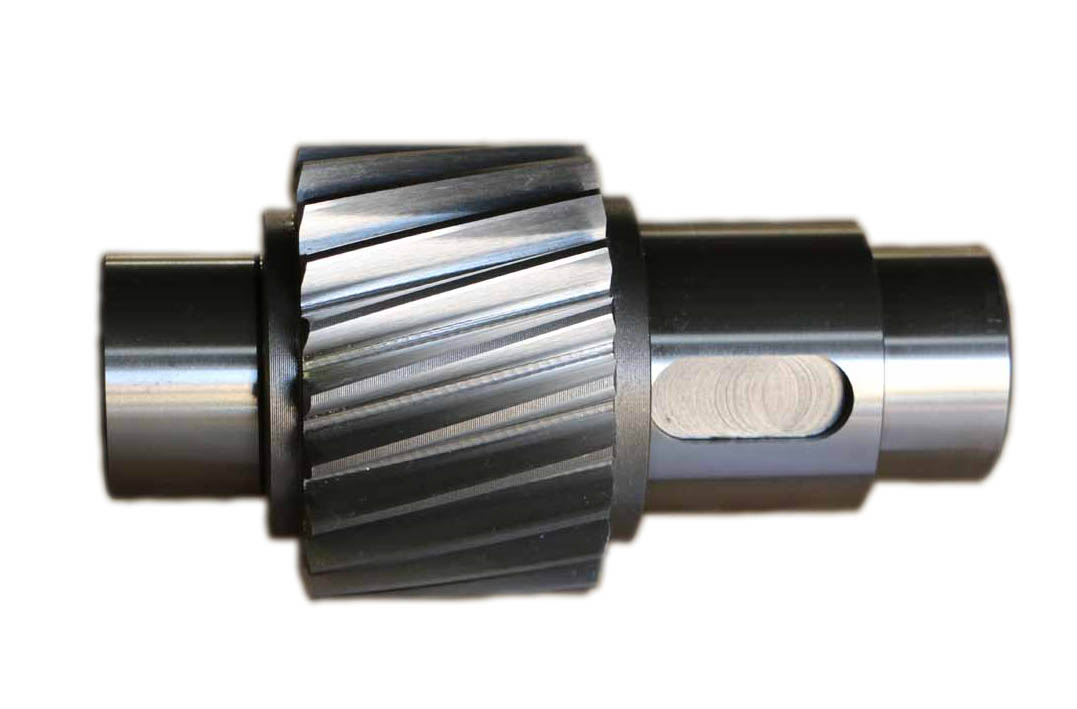
What are the safety considerations when working with gear shafts?
Working with gear shafts involves potential hazards that need to be considered to ensure the safety of individuals involved. Proper safety measures should be followed to prevent accidents and injuries. Let’s explore some important safety considerations when working with gear shafts:
- Personal Protective Equipment (PPE):
Wearing appropriate personal protective equipment is essential when working with gear shafts. This may include safety glasses or goggles to protect the eyes from flying debris, gloves to provide hand protection, and appropriate footwear to prevent foot injuries. PPE should be selected based on the specific hazards associated with the task.
- Machine Guarding:
Ensure that gear shafts and related machinery are properly guarded. Machine guards help prevent accidental contact with moving parts and reduce the risk of entanglement or entrapment. Guards should be in place and functioning correctly before any work is performed on or near gear shafts.
- Lockout/Tagout Procedures:
Prior to working on gear shafts, it is important to follow lockout/tagout procedures. These procedures involve isolating the machinery from its power source and ensuring that it cannot be energized accidentally. Lockout/tagout procedures help protect workers from unexpected startup or release of stored energy, minimizing the risk of injury.
- Proper Training and Knowledge:
Workers should receive proper training on the safe operation and maintenance of gear shafts. They should be familiar with the potential hazards, safety procedures, and emergency protocols. Training should cover topics such as safe handling, proper use of tools, and awareness of potential risks associated with gear shafts.
- Risk Assessment:
Conduct a thorough risk assessment before performing any work involving gear shafts. Identify potential hazards, assess the associated risks, and implement appropriate control measures. This may include evaluating the stability of the work area, assessing the need for additional support or lifting equipment, and identifying any potential pinch points or crush hazards.
- Proper Lifting Techniques:
When handling or moving gear shafts, use proper lifting techniques to prevent strain or injury. Avoid lifting heavy loads manually when possible and use mechanical lifting aids or equipment when necessary. Ensure that lifting equipment is in good working condition, properly rated for the load, and operated by trained personnel.
- Clean and Organized Work Area:
Maintain a clean and organized work area around gear shafts. Remove any unnecessary items or debris that could pose a tripping or slipping hazard. Keep tools and equipment properly stored when not in use to prevent accidents and injuries.
- Regular Maintenance and Inspection:
Perform regular maintenance and inspection of gear shafts to ensure their safe operation. Check for signs of wear, damage, or misalignment. Address any issues promptly and follow manufacturer’s guidelines for maintenance intervals and procedures. Regular inspections help identify potential safety concerns and prevent equipment failure.
- Communication and Collaboration:
Encourage effective communication and collaboration among team members when working with gear shafts. Clear communication ensures that everyone is aware of their roles and responsibilities and can alert others to potential hazards or unsafe conditions. Collaboration promotes a safety culture and allows for the sharing of knowledge and best practices.
By considering these safety measures when working with gear shafts, the risk of accidents and injuries can be significantly reduced. It is important to prioritize safety and create a work environment where individuals are informed, trained, and equipped to work safely with gear shafts.
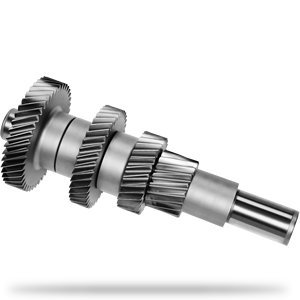
What are the factors to consider when designing gear shafts for specific applications?
Designing gear shafts for specific applications requires careful consideration of various factors to ensure optimal performance and reliability. Let’s explore the key factors that should be taken into account during the design process:
- Load and Torque Requirements:
The load and torque requirements of the specific application are crucial considerations. Understanding the maximum load the gear shaft will experience and the torque it needs to transmit is essential for selecting appropriate materials, determining the required dimensions, and ensuring the gear shaft can handle the anticipated forces effectively.
- Gear Type and Configuration:
The gear type and configuration directly influence the design of the gear shaft. Different gear types, such as spur gears, helical gears, bevel gears, or worm gears, have unique characteristics that impact the design considerations for the gear shaft. Factors such as gear tooth profile, pitch, pressure angle, and gear ratio need to be taken into account during the design process to ensure proper alignment, engagement, and efficient power transmission.
- Material Selection:
Selecting the appropriate material for the gear shaft is crucial for its strength, durability, and performance. Factors such as the required strength, wear resistance, fatigue resistance, and corrosion resistance should be considered when choosing the material. Common materials for gear shafts include various steels, alloys, and sometimes specialized materials like bronze or brass, depending on the specific application requirements.
- Shaft Dimensions and Geometry:
The dimensions and geometry of the gear shaft need to be carefully determined. Factors such as shaft diameter, length, keyways, chamfers, and fillets are important considerations. Proper shaft dimensions and geometry ensure sufficient strength, proper fit within the gear assembly, and compatibility with other components within the system.
- Bearing Support and Lubrication:
The gear shaft design should incorporate provisions for bearing support and lubrication. Bearings placed along the gear shaft help reduce friction, support the shaft under load, and ensure smooth rotation. Adequate lubrication, such as oil or grease, is necessary to minimize wear between the gear shaft and bearings, as well as to reduce heat generation and promote efficient operation.
- Heat Treatment and Surface Finish:
Depending on the application requirements, heat treatment processes like quenching and tempering may be applied to enhance the mechanical properties of the gear shaft. Heat treatment can improve hardness, strength, and toughness, increasing the gear shaft’s ability to withstand high loads and resist wear. Additionally, considering the surface finish of the gear shaft can help reduce friction, improve gear meshing, and minimize the risk of surface damage.
- Manufacturability and Cost:
Designing gear shafts should also take into account manufacturability and cost considerations. The design should be feasible for manufacturing processes such as machining, forging, or casting, depending on the chosen material and complexity of the design. The design should also aim to optimize material usage and minimize manufacturing costs while meeting the required performance criteria.
In summary, when designing gear shafts for specific applications, factors such as load and torque requirements, gear type and configuration, material selection, shaft dimensions and geometry, bearing support and lubrication, heat treatment and surface finish, as well as manufacturability and cost considerations, should all be carefully evaluated. By considering these factors, a well-designed gear shaft can be developed to meet the specific needs of the application, ensuring reliable and efficient power transmission within the gear system.
What is the purpose of using a gear shaft in machinery?
A gear shaft serves several essential purposes in machinery. It plays a crucial role in the efficient operation and transmission of power within mechanical systems. Here are the main purposes of using a gear shaft:
- Power Transmission:
A primary purpose of a gear shaft is to transmit power between different components in a machinery. When rotational force or torque is applied to the gear shaft, it transfers this power to connected gears or mechanisms. This power transmission allows for the controlled and synchronized movement of various parts, enabling the machinery to perform its intended function.
- Torque Conversion and Adjustment:
By utilizing different sizes and arrangements of gears on the shaft, the gear shaft enables torque conversion and adjustment. Gears with varying numbers of teeth can be connected to the gear shaft, allowing for torque multiplication or reduction. This capability is crucial for adapting the power output of the machinery to match specific requirements, such as increasing torque for heavy-duty operations or reducing torque for precision tasks.
- Speed Control:
Another purpose of a gear shaft is to control the speed of rotational motion in machinery. By using gears of different sizes or gear ratios on the shaft, the rotational speed can be adjusted. For instance, a smaller gear connected to the gear shaft will rotate faster, while a larger gear will rotate slower. This speed control allows for the optimization of machinery performance, ensuring that the rotational speed matches the desired application requirements.
- Directional Change:
A gear shaft also facilitates the change in rotational direction within machinery. By incorporating appropriately designed gears on the shaft, the rotational motion can be redirected by 90 degrees or any desired angle. This directional change ability is vital in machinery that requires motion to be transmitted in different directions or orientations, allowing for complex operations and versatile applications.
- Load Distribution:
Many machinery applications involve the distribution of load or force between multiple components. A gear shaft helps evenly distribute the load among connected gears and mechanisms. As torque is transmitted through the gear shaft, it ensures that the force is distributed across the teeth of the gears, minimizing stress concentration and promoting smooth operation. This load distribution enhances the overall durability and longevity of the machinery.
- Mechanical Redundancy:
In certain machinery designs, gear shafts can provide mechanical redundancy. By incorporating multiple gear shafts that operate in parallel, the machinery can maintain functionality even if one of the gear shafts fails. This redundancy ensures that the machinery continues to operate with minimal disruption, reducing downtime and improving overall reliability.
In summary, the purpose of using a gear shaft in machinery is to enable power transmission, torque conversion and adjustment, speed control, directional change, load distribution, and mechanical redundancy. Gear shafts are essential components that contribute to the efficient and effective operation of various mechanical systems.


editor by CX 2023-12-07