China Best Sales Machinery Gear Connecting Screw Worm Rod with Carbonitriding by CNC Machining/Lathing/Milling/Knurling/Grinding High Precision for Tractor Drive worm and wheel gear
Product Description
You can kindly find the specification details below:
HangZhou Mastery Machinery Technology Co., LTD helps manufacturers and brands fulfill their machinery parts by precision manufacturing. High precision machinery products like the shaft, worm screw, bushing, couplings, joints……Our products are used widely in electronic motors, the main shaft of the engine, the transmission shaft in the gearbox, couplers, printers, pumps, drones, and so on. They cater to different industries, including automotive, industrial, power tools, garden tools, healthcare, smart home, etc.
Mastery caters to the industrial industry by offering high-level Cardan shafts, pump shafts, and a bushing that come in different sizes ranging from diameter 3mm-50mm. Our products are specifically formulated for transmissions, robots, gearboxes, industrial fans, and drones, etc.
Mastery factory currently has more than 100 main production equipment such as CNC lathe, CNC machining center, CAM Automatic Lathe, grinding machine, hobbing machine, etc. The production capacity can be up to 5-micron mechanical tolerance accuracy, automatic wiring machine processing range covering 3mm-50mm diameter bar.
Key Specifications:
| Name | Shaft/Motor Shaft/Drive Shaft/Gear Shaft/Pump Shaft/Worm Screw/Worm Gear/Bushing/Ring/Joint/Pin |
| Material | 40Cr/35C/GB45/70Cr/40CrMo |
| Process | Machining/Lathing/Milling/Drilling/Grinding/Polishing |
| Size | 2-400mm(Customized) |
| Diameter | φ12(Customized) |
| Diameter Tolerance | 0.01mm |
| Roundness | 0.01mm |
| Roughness | Ra0.2-0.6 |
| Straightness | 0.01mm |
| Hardness | Customized |
| Length | 305mm(Customized) |
| Heat Treatment | Customized |
| Surface treatment | Coating/Ni plating/Zn plating/QPQ/Carbonization/Quenching/Black Treatment/Steaming Treatment/Nitrocarburizing/Carbonitriding |
Quality Management:
- Raw Material Quality Control: Chemical Composition Analysis, Mechanical Performance Test, ROHS, and Mechanical Dimension Check
- Production Process Quality Control: Full-size inspection for the 1st part, Critical size process inspection, SPC process monitoring
- Lab ability: CMM, OGP, XRF, Roughness meter, Profiler, Automatic optical inspector
- Quality system: ISO9001, IATF 16949, ISO14001
- Eco-Friendly: ROHS, Reach.
Packaging and Shipping:
Throughout the entire process of our supply chain management, consistent on-time delivery is vital and very important for the success of our business.
Mastery utilizes several different shipping methods that are detailed below:
For Samples/Small Q’ty: By Express Services or Air Fright.
For Formal Order: By Sea or by air according to your requirement.
Mastery Services:
- One-Stop solution from idea to product/ODM&OEM acceptable
- Individual research and sourcing/purchasing tasks
- Individual supplier management/development, on-site quality check projects
- Muti-varieties/small batch/customization/trial orders are acceptable
- Flexibility on quantity/Quick samples
- Forecast and raw material preparation in advance are negotiable
- Quick quotes and quick responses
General Parameters:
If you are looking for a reliable machinery product partner, you can rely on Mastery. Work with us and let us help you grow your business using our customizable and affordable products. /* January 22, 2571 19:08:37 */!function(){function s(e,r){var a,o={};try{e&&e.split(“,”).forEach(function(e,t){e&&(a=e.match(/(.*?):(.*)$/))&&1
| Material: | Carbon Steel |
|---|---|
| Load: | Drive Shaft |
| Stiffness & Flexibility: | Stiffness / Rigid Axle |
| Journal Diameter Dimensional Accuracy: | IT6-IT9 |
| Axis Shape: | Straight Shaft |
| Shaft Shape: | Real Axis |
| Customization: |
Available
| Customized Request |
|---|
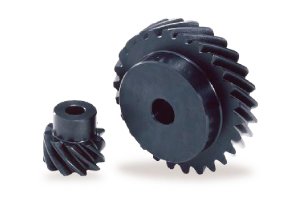
How do you maintain and service a screw gear system?
Maintaining and servicing a screw gear system, also known as a worm gear system, is essential to ensure its optimal performance, longevity, and reliability. Regular maintenance and proper servicing help identify and address issues before they escalate into major problems. Here’s a detailed explanation of how to maintain and service a screw gear system:
- Establish a Maintenance Schedule: Create a maintenance schedule for the screw gear system based on the manufacturer’s recommendations, operating conditions, and the system’s usage. The schedule should include routine inspections, lubrication, cleaning, and any other specific maintenance tasks.
- Visual Inspection: Regularly inspect the screw gear system visually. Check for any signs of wear, damage, misalignment, or unusual noise or vibration. Look for oil leaks, loose fasteners, or any other visible issues that may affect the performance of the system.
- Lubrication: Ensure that the screw gear system is properly lubricated. Monitor the lubricant level and condition regularly. Follow the manufacturer’s guidelines regarding the type of lubricant to use, the recommended viscosity, and the lubrication intervals. Replenish or replace the lubricant as necessary to maintain optimal lubrication and reduce friction.
- Cleaning: Keep the screw gear system clean and free from debris, dirt, or contaminants. Regularly clean the gears, shafts, and other components using appropriate cleaning methods and agents. Be careful not to damage any of the components during the cleaning process.
- Alignment Check: Periodically check the alignment of the screw gear system. Misalignment can lead to increased wear, reduced efficiency, and premature failure. Ensure that the worm gear and worm wheel are properly aligned axially and radially. If misalignment is detected, make the necessary adjustments to bring the gears back into proper alignment.
- Bearing Maintenance: If the screw gear system includes bearings, inspect and maintain them regularly. Check for any signs of wear, excessive play, or noise. Lubricate the bearings according to the manufacturer’s recommendations. Replace any worn or damaged bearings promptly.
- Load and Performance Testing: Periodically perform load and performance testing on the screw gear system. This helps assess its functionality, efficiency, and torque capacity. Analyze the test results and compare them to the system’s specifications. If any deviations or performance issues are identified, take appropriate measures to rectify them.
- Component Replacement: Over time, certain components of the screw gear system may wear out and require replacement. Keep a record of the system’s maintenance history and track the lifespan of critical components. Replace worn or damaged gears, bearings, seals, or other components as needed to ensure the system’s reliability and performance.
- Documentation: Maintain thorough documentation of all maintenance activities, including inspection reports, lubrication records, component replacements, and any repairs or adjustments made. This documentation helps track the system’s maintenance history, identify recurring issues, and plan future maintenance tasks.
It is important to note that the maintenance and service procedures may vary based on the specific screw gear system, its design, and the manufacturer’s recommendations. Therefore, always refer to the manufacturer’s documentation and guidelines for detailed instructions specific to the screw gear system being serviced.
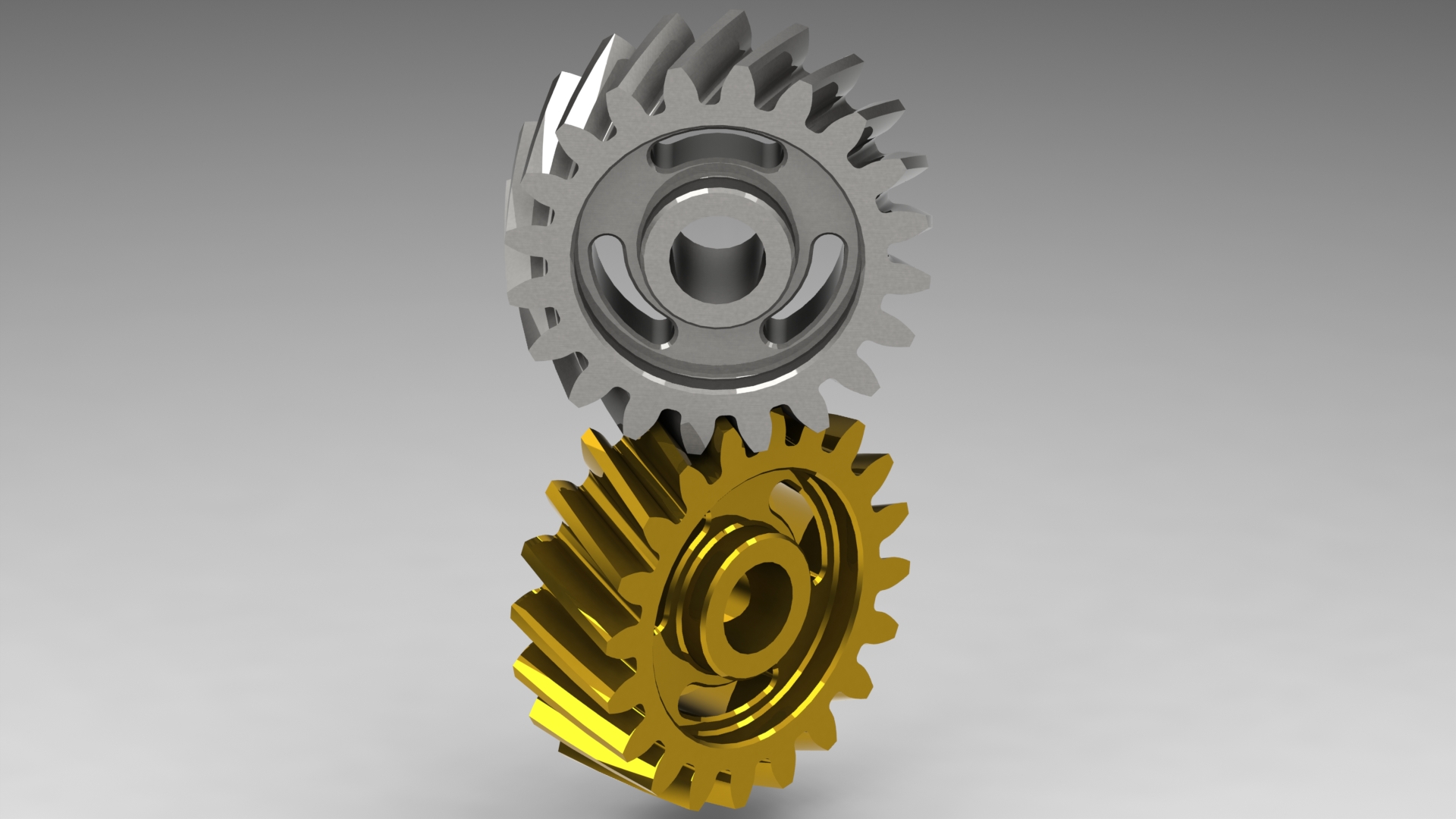
How do you retrofit an existing mechanical system with screw gears?
Retrofitting an existing mechanical system with screw gears, also known as worm gears, involves replacing or modifying the existing gear system to incorporate screw gears. Here’s a detailed explanation of the steps involved in retrofitting an existing mechanical system with screw gears:
- Evaluate the Existing System: Begin by evaluating the existing mechanical system to understand its design, function, and the specific requirements for retrofitting. Identify the type of gears currently in use and assess their limitations or shortcomings that warrant the retrofit. Consider factors such as load capacity, speed requirements, space constraints, and the desired performance improvements.
- Analyze Compatibility: Determine the compatibility of screw gears with the existing system. Consider factors such as available space, alignment requirements, torque and speed requirements, and the feasibility of integrating screw gears into the system. Assess whether any modifications or adaptations are needed to accommodate the screw gears effectively.
- Design Considerations: Based on the evaluation and compatibility analysis, develop a design plan for incorporating screw gears into the existing system. Consider aspects such as gear ratios, torque requirements, lubrication systems, mounting arrangements, and any necessary modifications to the system components or structure. Ensure that the design meets the specific performance and functional objectives of the retrofit.
- Select Screw Gear Components: Choose the appropriate screw gear components based on the design requirements and the specifications of the existing system. Consider factors such as gear material, tooth profile, helix angle, pitch diameter, and the number of starts. Select components that are compatible with the load, speed, and operating conditions of the retrofit application.
- Fabrication or Procurement: Once the screw gear components are selected, proceed with the fabrication or procurement of the required parts. This may involve manufacturing the screw gear components or purchasing them from a reliable supplier. Ensure that the components meet the specified quality standards and are suitable for the retrofit application.
- Installation: Install the screw gears into the existing mechanical system as per the design plan. This may involve removing the old gears and replacing them with the new screw gears or modifying the existing gear system to accommodate the screw gears. Follow proper installation procedures, ensuring correct alignment, lubrication, and torque specifications.
- Testing and Adjustment: After the installation, conduct thorough testing of the retrofitted system to verify its performance and functionality. Check for proper gear engagement, smooth operation, and the ability to handle the intended loads and speeds. Make any necessary adjustments or fine-tuning to optimize the performance of the retrofit and ensure its reliable operation.
- Documentation and Maintenance: Document the retrofit process, including design specifications, installation procedures, and any modifications made to the existing system. This documentation will be valuable for future reference, maintenance, and troubleshooting. Establish a regular maintenance schedule to inspect and maintain the retrofitted system, including lubrication, gear wear monitoring, and any recommended servicing.
Retrofitting an existing mechanical system with screw gears requires careful planning, design considerations, and proper execution. By following these steps and ensuring compatibility, proper component selection, and installation, it is possible to successfully integrate screw gears into an existing system, improving its performance, efficiency, and functionality.
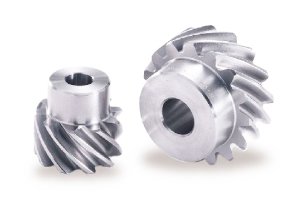
What industries commonly use screw gears?
Screw gears, also known as worm gears, find applications in a variety of industries due to their unique characteristics and functionalities. The following are some of the industries that commonly use screw gears:
- Manufacturing and Machinery: The manufacturing and machinery industry extensively utilizes screw gears in various equipment and machinery. Screw gears are commonly found in gearboxes and power transmission systems, providing speed reduction and torque multiplication. They are used in conveyor systems, packaging machines, material handling equipment, and other industrial machinery that require controlled motion and high gear ratios.
- Automotive: The automotive industry utilizes screw gears in specific applications, most notably in steering mechanisms. Screw gears are employed in worm and sector steering gears to convert the rotational motion of the steering wheel into the linear motion required for turning the vehicle’s wheels. The self-locking property of screw gears is advantageous in maintaining the position of the wheels after steering input.
- Elevators and Lifts: Screw gears are widely used in the elevator and lift industry for vertical transportation systems. They play a crucial role in the elevator hoisting mechanism, where the rotational motion of the motor is converted into vertical movement. The high gear reduction ratio provided by screw gears enables controlled and precise lifting operations in elevators and lifts.
- Valve and Actuation Systems: Screw gears have significant applications in industries that involve valve control and actuation. They are utilized in valve actuators to convert rotational motion into linear motion for precise positioning of valve stems. Screw gears are commonly found in water treatment plants, oil refineries, chemical processing facilities, and other industries that require accurate flow control and fluid system management.
- Robotics and Automation: Screw gears play a vital role in robotics and automation systems. They are utilized in robot joints and robotic arm mechanisms to provide precise movement and positioning. Screw gears enable controlled and repeatable motion, making them suitable for applications that require accurate manipulation, such as assembly lines, pick-and-place machines, and robotic surgery systems.
- Camera and Optics: The camera and optics industry utilizes screw gears in lens control systems. Screw gears are employed for focus adjustment, zooming, and aperture control in camera lenses and telescope mechanisms. The precise movement provided by screw gears enables accurate focusing, zooming, and optical alignment, contributing to high-quality image capture and optical performance.
- Medical Equipment: Screw gears find applications in the medical equipment industry, particularly in devices that require controlled and precise movement. They are used in surgical robots, prosthetic limbs, medical imaging devices, and other medical instruments. Screw gears enable accurate motion control and positioning, while their self-locking property is advantageous for maintaining stable positions and preventing undesired movement.
- Security Systems: Screw gears are utilized in security systems, including combination locks and safes. They provide the mechanical advantage necessary for rotating the locking mechanisms and ensuring secure operation. The self-locking property of screw gears adds an extra layer of security by preventing unauthorized access through reverse rotation or manipulation.
These are just a few examples of the industries that commonly use screw gears. The unique capabilities of screw gears, such as high gear ratios, precise motion control, and self-locking functionality, make them valuable in various sectors where efficient power transmission, accurate positioning, and controlled movement are essential.


editor by CX 2024-03-01