China Custom 24V 800W Electric Transaxle Motor Gear Differential and Reduction wholesaler
Product Description
24V 800W Brushed Electric Motor Drive system
| Motor | DC Brushed motor |
| Rated Voltage | 24V |
| Rated Power | 800W |
| Load Current | 39-56A |
| Unload Speed | 210-250RPM |
| Reduction Ratio | 20:1 |
| Max Output Torque | 180N.M |
| Max Load Weight | 250KG |
| Warranty | 12 months |
| Weight | 11KG |
| Package | 67*24*21cm |
Company Information
ZheJiang CHINAMFG Industrial Automation Equipment Co. Ltd., is a professional hub motor manufacturer from China, as the Chinese leading provider of factory automation (FA) solutions, has been specialized in manufacturing and exporting factory automation components CHINAMFG for decades.
1.We can supply various size hub motor, such as 4″,5″, 6″,8″,9″,10″,12″,13″,14.5″,15″etc. Customized also welcomed.
2.The voltage of hub motor we can supply includes 24v,36v,48v and 48-144v.
3.The max power of hub motor we can supply is 3000w.
4.Range of hub motor speed is 300-1200rpm.
To achieve our goal of “Full Customer Satisfaction”, we insist on innovation and improvement in quality, assembling time, working life, operating procedure and maintenance service. We also focus on human environment’s health and safety. We have carried out RoHS green environmental system and environmentally friendly management system. We have also got other related certificates like ISO9001, CE, CCC and UL. Adhering to this aim, we sincerely look CHINAMFG to establishing CHINAMFG cooperation with clients all over the world.
Packing&Delivery
1. For single piece, carton lined with shape foam
2. Customize package
3. Neutral package
FAQ
Q:Could you provide the motor drawing since I need it ?
A:Yes,there is professional engineer do the design,research and could could supply the drawing to you.
Q:How long can I get the goods after payment?
A:For standard product,within 5 working days after your payment.
Customize product, depending on the change.
Q:What is your after-sales services?
A:1.Free maintenance within 12 months guarantee, lifetime consultant
2.Professional solutions in installation and maintance
Q:How much is the freight and what is the mode of transportation?
A:The freight is based on the weight of order and the distance of shipment.
For single order,the goods will be delivered by EMS,DHL,FedEx,TNT and so on.
Please inform us advance if you have special packing and shipment requirement.
Q:Do you have other electric hub motor?
A:1.Many kinds of wheel motors could be supplied,such as brushless gearless hub motor,geared hub motor,spoke motor,ATV motor,and so on.
2.The hub motor sizes are various, such as 4″,5″,6″, 8″,9″,10″, 12″,13″, 14.5″, 15″ etc.
3.Hub motor kit,such as throttle,controller,brake lever,disc brake and LCD monitor could be supplied.
4.Customize motors as customers’ special requirements is our special service.
/* January 22, 2571 19:08:37 */!function(){function s(e,r){var a,o={};try{e&&e.split(“,”).forEach(function(e,t){e&&(a=e.match(/(.*?):(.*)$/))&&1
| Application: | Golf Cart, Tricycle |
|---|---|
| Operating Speed: | Low Speed |
| Excitation Mode: | Permanent |
| Function: | Driving |
| Casing Protection: | Protection Type |
| Number of Poles: | 10 |
| Samples: |
US$ 229/Piece
1 Piece(Min.Order) | |
|---|
| Customization: |
Available
| Customized Request |
|---|
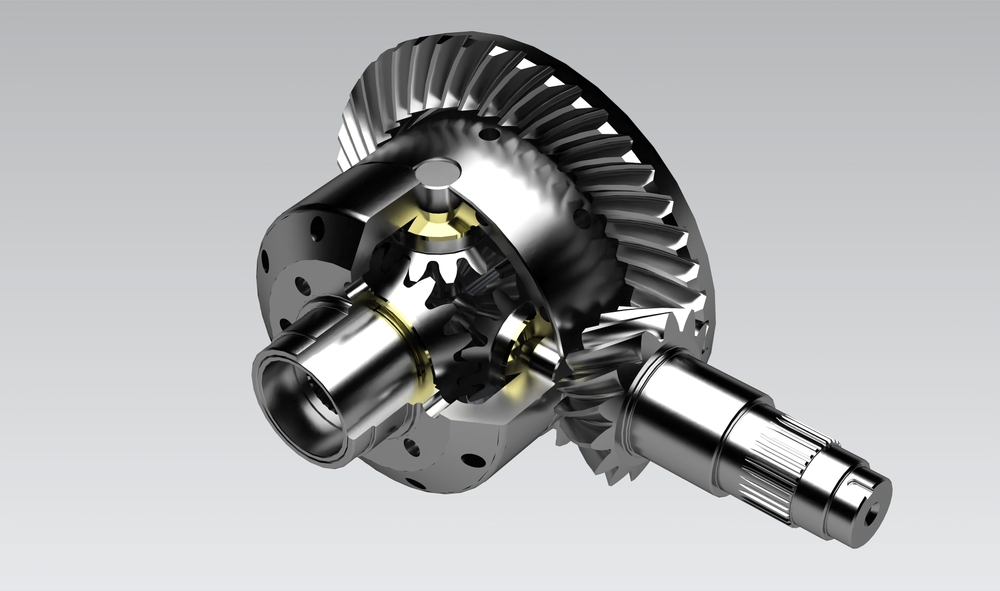
How do differential gears handle varying speeds in a vehicle’s wheels?
A differential gear system is designed to handle varying speeds in a vehicle’s wheels, allowing them to rotate at different rates while maintaining torque distribution. Here’s a detailed explanation of how differential gears achieve this:
1. Differential Assembly:
The differential assembly consists of several gears, including the ring and pinion gears, side gears, and spider gears. These components work together to accommodate varying speeds between the wheels.
2. Power Input:
The power is delivered to the differential gears through the driveshaft or transmission. The ring gear receives this power from the driveshaft, while the pinion gear is connected to the ring gear and transfers the rotational force to the differential assembly.
3. Speed Differences:
When a vehicle is moving in a straight line, the wheels ideally rotate at the same speed. However, during turns or when encountering different traction conditions, the wheels need to rotate at varying speeds. This is because the wheel on the outside of a turn covers a greater distance than the inside wheel, resulting in a speed differential.
4. Spider Gears:
The differential gears utilize spider gears, which are small gears located between the side gears. Spider gears allow the side gears to rotate independently of each other, accommodating the speed differences between the wheels.
5. Torque Distribution:
As the spider gears allow the side gears to rotate independently, torque is distributed between the wheels based on their speed differences. The wheel with less resistance or greater traction receives more torque, while the wheel with more resistance or lower traction receives less torque.
6. Smooth Cornering:
During turns, the inside wheel needs to rotate at a slower speed than the outside wheel. The differential gears allow this speed differentiation, enabling smooth cornering without wheel hop or tire scrubbing. By distributing torque appropriately, the differential gears ensure that both wheels receive sufficient power for optimal traction and control.
7. Limited-Slip and Locking Differentials:
In certain differential systems, such as limited-slip differentials or locking differentials, additional mechanisms are employed to further regulate speed differences and torque distribution. Limited-slip differentials use clutch packs or friction plates to provide a predetermined amount of resistance, allowing some differentiation between the wheels while still transferring power. Locking differentials lock the side gears together, ensuring equal torque distribution to both wheels, regardless of traction conditions.
8. Differential Types:
There are different types of differentials, including open differentials, limited-slip differentials, electronic differentials, torque vectoring differentials, and more. Each type utilizes specific technologies and mechanisms to handle varying speeds and torque distribution based on the vehicle’s requirements and driving conditions.
In summary, differential gears handle varying speeds in a vehicle’s wheels by utilizing a system of gears, including spider gears, side gears, ring and pinion gears. The speed differences between the wheels are accommodated by allowing independent rotation of the side gears through the spider gears. Torque distribution is adjusted to ensure optimal traction and control during turns and varying traction conditions. Additional mechanisms, such as limited-slip or locking differentials, can further regulate speed differences and torque distribution for enhanced performance and stability.
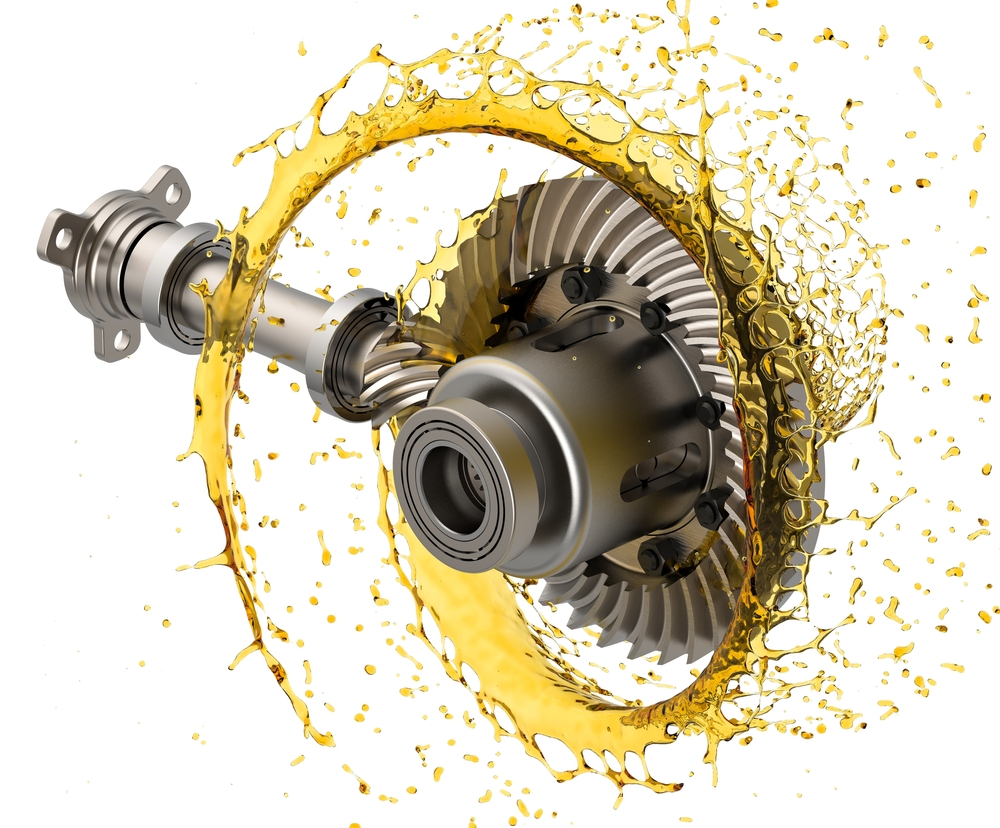
Can differential gears be upgraded or customized for specific applications?
Yes, differential gears can be upgraded or customized for specific applications to enhance performance, traction, and handling. Here’s a detailed explanation of how differential gears can be upgraded or customized:
- Gear Ratio Changes: One way to customize differential gears is by changing the gear ratios. Different gear ratios can alter the torque distribution between the wheels, optimizing it for specific applications. For example, shorter gear ratios can improve acceleration and low-end torque, while taller gear ratios can enhance fuel efficiency and top speed. Gear ratio changes are commonly performed in performance vehicles, off-road vehicles, and racing applications to suit specific driving requirements.
- Limited-Slip Differentials (LSD): Upgrading to limited-slip differentials can significantly improve traction and handling. LSDs distribute torque between the wheels more evenly compared to open differentials, reducing wheel spin and maximizing grip. LSDs are particularly beneficial in high-performance vehicles, off-road vehicles, and applications where maintaining traction is crucial, such as racing or challenging driving conditions. LSDs can be retrofitted or factory-installed depending on the vehicle and its specific requirements.
- Electronic Differential Controls: Some vehicles feature electronic controls for the differential system. These controls allow customization of the differential’s behavior based on driving conditions and driver preferences. Through electronic controls, differential characteristics such as torque distribution, responsiveness, and traction management can be adjusted. This customization helps optimize performance, stability, and traction in various driving scenarios.
- Aftermarket Upgrades: The aftermarket industry offers various differential upgrade options. These include performance differentials, heavy-duty differentials, and specialized differentials designed for specific applications. These aftermarket upgrades can provide improved durability, enhanced traction, and higher torque capacity compared to stock differentials. They are commonly chosen by enthusiasts, off-road enthusiasts, and individuals seeking to enhance the capabilities of their vehicles for specific purposes.
- Custom Differential Designs: In certain cases, custom differential designs can be developed to meet specific application requirements. For example, in motorsports, differential designs can be tailored to optimize performance, handling, and traction for the specific demands of the racing discipline. Custom differentials may involve unique gear arrangements, specialized materials, and advanced features to deliver superior performance in targeted applications.
In summary, differential gears can be upgraded or customized to suit specific applications. Upgrades may include gear ratio changes, installation of limited-slip differentials, utilization of electronic differential controls, aftermarket differential options, or even custom differential designs. These modifications and customizations allow for improved performance, traction, and handling, catering to the specific needs and preferences of different vehicles and driving scenarios.
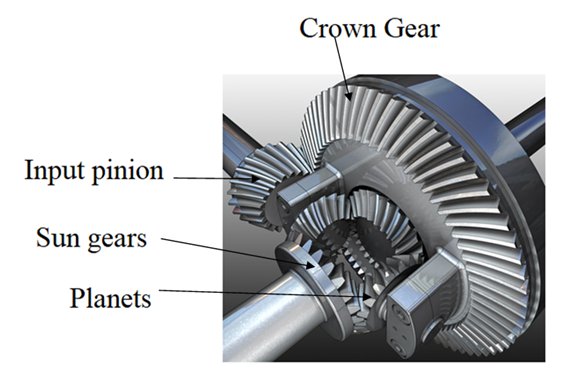
What are the applications of differential gears in off-road vehicles?
Off-road vehicles rely on differential gears for various applications that enhance their performance and capability in challenging terrains. Here’s a detailed explanation:
1. Traction Improvement:
One of the primary applications of differential gears in off-road vehicles is to improve traction. Off-road terrain often consists of uneven surfaces, loose soil, rocks, mud, or deep snow, which can cause the wheels to lose traction. Differential gears, such as limited-slip differentials or locking differentials, help distribute torque to the wheels with better traction, reducing wheel slip and maximizing grip. This allows off-road vehicles to maintain forward momentum and conquer obstacles that would otherwise be difficult to navigate.
2. All-Wheel Drive (AWD) Systems:
Off-road vehicles commonly utilize differential gears in their all-wheel drive (AWD) systems. AWD systems distribute power to all four wheels, providing better traction and stability on off-road terrain. Differential gears enable power transfer between the front and rear axles, as well as between the left and right wheels on each axle, allowing for optimal torque distribution based on traction conditions. This helps improve overall off-road performance and control.
3. Articulation and Wheel Independence:
Off-road vehicles often encounter uneven terrain with varying degrees of wheel articulation. Differential gears play a crucial role in maintaining wheel independence, allowing each wheel to move up or down independently to better conform to the terrain. This ensures that the wheels maintain contact with the ground and enhances traction, especially when navigating over rocks, logs, or steep inclines.
4. Hill Climbing and Descending:
When climbing steep inclines or descending steep slopes, differential gears are essential for off-road vehicles. In these situations, differential gears help distribute torque between the wheels on each axle, allowing the wheels with better traction to propel the vehicle forward or provide controlled braking. This improves stability, prevents wheel slip, and enhances the vehicle’s ability to tackle challenging uphill or downhill sections.
5. Off-Road Racing:
In off-road racing, differential gears are utilized to optimize performance and handling. High-performance off-road vehicles often employ advanced differential systems, such as limited-slip differentials or torque vectoring differentials. These systems actively distribute torque to the wheels with better traction, improving acceleration, cornering ability, and overall vehicle dynamics in competitive off-road racing environments.
6. Rock Crawling and Trail Driving:
Off-road vehicles designed for rock crawling or trail driving heavily rely on differential gears. These vehicles require precise control and maximum traction in low-speed, technical situations. Differential gears, particularly locking differentials, are employed to ensure that both wheels on an axle rotate together, maximizing traction and allowing the vehicle to maneuver over challenging obstacles, such as large rocks, boulders, or deep ruts.
In summary, differential gears in off-road vehicles have several applications, including traction improvement, all-wheel drive systems, articulation and wheel independence, hill climbing and descending, off-road racing, rock crawling, and trail driving. These applications enhance the performance, control, and capability of off-road vehicles in demanding and rugged terrains.


editor by Dream 2024-04-22