China Custom Cement Industry Rotary Kin Casting Steel Girth Gear Ball Mill Gear Alloy Steel Large Module Gear Ring with Hot selling
Product Description
Key attributes
Other attributes
Applicable Industries
Manufacturing Plant, Machinery Repair Shops, Energy & Mining
Weight (KG)
1650
Showroom Location
None
Video outgoing-inspection
Provided
Machinery Test Report
Provided
Marketing Type
Hot Product 2571
Warranty of core components
1 Year
Core Components
Gear
Place of CHINAMFG
ZheJiang , China
Condition
New
Warranty
1.5 years
Shape
Ring Gear
Standard or Nonstandard
Nonstandard
Tooth Profile
Spur
Material
Steel
Processing
Casting
Pressure Angle
20°
Brand Name
HangZhou
Product Name
custom large diameter alloy steel spur casting large ring gear
Application
Cement kiln
Gear Machining
Gear milling
Module of Gear:
8-120
OD For Gear Wheel:
MAX.13 000 mm
Height For CHINAMFG
MAX. 1200 mm
Certificate
ISO 9001:2015
Tolerance
+/-0.01mm
Heat treatment
QT
Surface Treatment
Surface Hardening or Carburizing and Quenching
Packaging and delivery
Packaging Details
Package for Cement kiln custom large diameter ring gear transmission alloy steel spur casting large ring gear is wooden box and adapts to CHINAMFG transport
Port
ZheJiang ,HangZhou or Others
Supply Ability
Supply Ability
9000 Ton/Tons per Year
OUR WORKSHOPS
OUR EQUIPMENTS
Technology Process
|
Material |
Carbon steel,Alloy steel |
||
|
Structure |
Forging,casting |
||
|
Type of gear |
spur gear,helical gear,Planetary Gear |
||
|
Heat treatment |
Quenching and tempering |
||
|
Process |
forging, rough machining, QT, finish machining |
||
|
Main equipments |
hobbing,CNC machine |
||
|
Module |
up to 200 |
||
|
Precision of gear |
Grinding ISO Grade 5-7 & Hobbing ISO Grade 8-9 |
||
|
Inspection |
Raw material inspection, UT,physical property test,dimension inspect |
||
|
Application |
Mining machinery, mill, kiln and other equipment |
||
OUR CERTIFICATE
OUR CUSTOMER FEEDBACK
CONTACT
/* January 22, 2571 19:08:37 */!function(){function s(e,r){var a,o={};try{e&&e.split(“,”).forEach(function(e,t){e&&(a=e.match(/(.*?):(.*)$/))&&1
| Application: | Industry |
|---|---|
| Hardness: | Hb190-Hb300 |
| Gear Position: | External Gear |
| Samples: |
US$ 100/Piece
1 Piece(Min.Order) | Order Sample |
|---|
| Customization: |
Available
| Customized Request |
|---|
.shipping-cost-tm .tm-status-off{background: none;padding:0;color: #1470cc}
| Shipping Cost:
Estimated freight per unit. |
about shipping cost and estimated delivery time. |
|---|
| Payment Method: |
|
|---|---|
|
Initial Payment Full Payment |
| Currency: | US$ |
|---|
| Return&refunds: | You can apply for a refund up to 30 days after receipt of the products. |
|---|
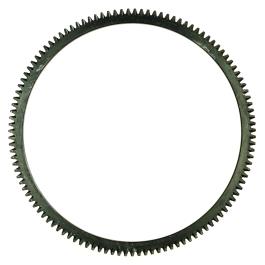
How do you choose the right size ring gear for your application?
Choosing the right size ring gear for a specific application involves considering several factors related to the gear system, load requirements, space constraints, and performance objectives. Here’s a detailed explanation of the process involved in selecting the appropriate size ring gear:
- Determine the Gear System Parameters: Understand the specific requirements of the gear system in which the ring gear will be used. This includes identifying the input power, desired output speed, torque requirements, and operating conditions such as temperature, vibration, and lubrication.
- Calculate Gear Ratios: Determine the required gear ratios for the gear system. Gear ratios define the relationship between the rotational speeds and torques of the driving and driven gears. By knowing the desired gear ratios, you can calculate the appropriate size of the ring gear relative to the other gears in the system.
- Evaluate Load Capacity: Assess the load capacity needed for the application. Consider the maximum torque and radial loads that the ring gear will experience during operation. It’s crucial to select a ring gear that can handle the anticipated loads without excessive wear, deformation, or failure.
- Consider Space Limitations: Determine the available space for the ring gear within the application. Consider the overall dimensions, such as the outer diameter, inner diameter, and thickness of the ring gear. Ensure that the selected size fits within the designated space without interfering with other components or compromising the overall functionality of the system.
- Account for Manufacturing Considerations: Consider the manufacturability of the ring gear. Evaluate factors such as the feasibility of producing the required tooth profile, the availability of suitable materials, and the manufacturing capabilities of the supplier. It’s important to choose a size that can be efficiently manufactured while meeting the required quality standards.
- Consult Design Guidelines and Standards: Refer to industry design guidelines, standards, and specifications specific to the type of gear and application. These guidelines provide recommendations and formulas for calculating gear sizes based on factors such as tooth strength, contact stress, and bending stress. Adhering to recognized standards ensures that the selected ring gear size is appropriate for the intended application.
It is often beneficial to consult with gear design engineers or industry experts to ensure the proper selection of the ring gear size. They can provide detailed analysis, simulation, and expertise in choosing the optimal size based on the specific requirements and constraints of the application.
By carefully considering these factors and following established design practices, you can choose the right size ring gear that will deliver reliable performance, efficient power transmission, and long-term durability for your application.
\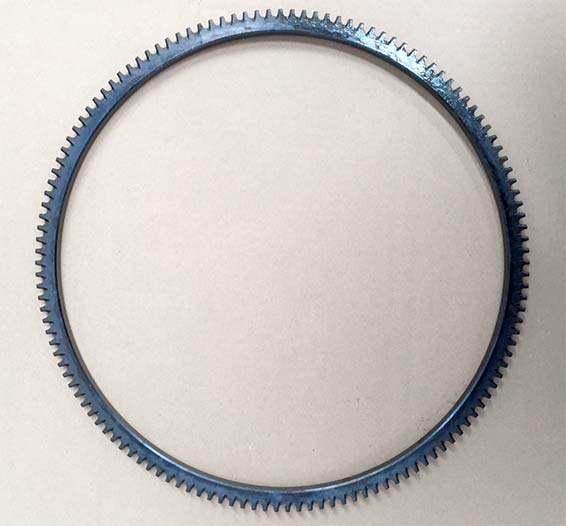
How do you prevent backlash and gear play in a ring gear mechanism?
Preventing backlash and gear play in a ring gear mechanism is crucial for ensuring accurate and precise operation. Here’s a detailed explanation of how to prevent backlash and gear play in a ring gear mechanism:
- Precise Gear Design: The design of the ring gear and associated gears should be carefully engineered to minimize backlash. This involves selecting appropriate tooth profiles and gear geometry that promote proper meshing and minimize clearance between the gear teeth. The gear design should consider factors such as tooth thickness, pressure angle, and tooth contact ratio to achieve optimal gear meshing without excessive play.
- Tight Manufacturing Tolerances: Close manufacturing tolerances are essential to reduce backlash in a ring gear mechanism. The gear components, including the ring gear and mating gears, should be produced with high precision to ensure accurate tooth dimensions and minimize any gaps or play between the gear teeth. Tight manufacturing tolerances help achieve a tighter meshing fit, reducing backlash and gear play.
- Proper Gear Alignment: Accurate alignment of the ring gear and mating gears is crucial for minimizing backlash. The gears should be properly aligned along their axes to ensure precise engagement and minimize any misalignment that can contribute to play. Adequate alignment can be achieved through careful assembly techniques, such as using alignment fixtures, proper shimming, and precision measurement tools.
- Preload or Pre-tension: Applying preload or pre-tension to the ring gear mechanism can help reduce backlash and gear play. Preload involves applying a slight compressive force or tension to eliminate any clearance or gaps between the gear teeth during operation. This can be achieved through various methods, such as using spring-loaded components, adjustable shims, or axial preloading devices.
- Optimized Lubrication: Proper lubrication is essential for reducing friction and minimizing gear play. Lubricants with appropriate viscosity and film strength should be used to ensure smooth gear operation and reduce any unwanted movement or play between the gear teeth. Regular lubricant maintenance, such as monitoring oil levels and replenishing or replacing lubricants as needed, helps maintain optimal lubrication conditions and minimize backlash.
- Mechanical Backlash Compensation: In some applications, mechanical compensation mechanisms can be employed to actively compensate for any residual backlash. These mechanisms can include systems with adjustable clearances, anti-backlash devices, or dual-gear arrangements that counteract the effects of backlash. Mechanical backlash compensation techniques can help maintain precise positioning and eliminate any undesired play in the gear mechanism.
By implementing these measures, it is possible to significantly reduce or eliminate backlash and gear play in a ring gear mechanism. Careful gear design, tight manufacturing tolerances, proper alignment, preload or pre-tension, optimized lubrication, and mechanical compensation techniques all play a role in ensuring accurate and precise operation of the ring gear mechanism.
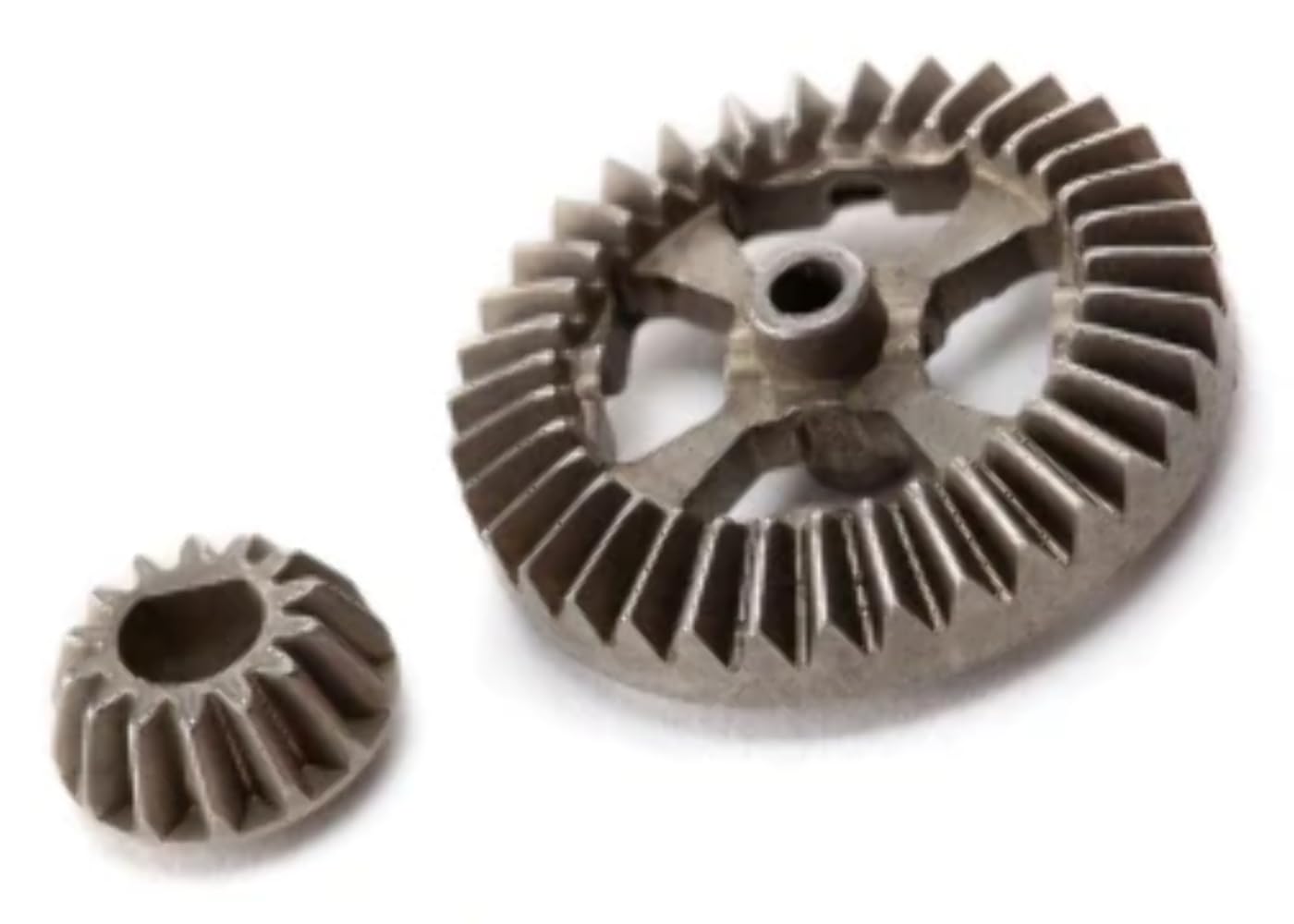
What is a ring gear and how does it work?
A ring gear is a type of gear that features teeth on the outer perimeter of a circular ring-shaped component. It is commonly used in various mechanical systems and applications. Here’s a detailed explanation of what a ring gear is and how it works:
A ring gear, also known as an annular gear or internal gear, is a gear with teeth on the inside circumference of a circular ring. It is designed to mesh with a pinion gear or another gear that has teeth on the outside. The combination of a ring gear and a pinion gear forms a gear set, enabling the transmission of rotational motion and torque between the two gears.
Here’s how a ring gear works:
- Tooth Engagement: When a ring gear and a pinion gear are brought together, the teeth of the pinion gear mesh with the teeth of the ring gear. The teeth of the pinion gear enter the spaces between the teeth of the ring gear, creating a mechanical connection between the two gears.
- Motion Transmission: As the driving gear (such as the pinion gear) rotates, it transfers rotational motion to the ring gear. The teeth of the driving gear push against the teeth of the ring gear, causing the ring gear to rotate in the opposite direction. This rotational motion can be used to drive other components or systems connected to the ring gear.
- Torque Transfer: The meshing of the teeth between the ring gear and the driving gear allows for the transfer of torque. Torque is the rotational force or twisting force applied to a gear. As the driving gear exerts torque on the ring gear through the meshing teeth, the ring gear experiences a torque load. This torque load can be transmitted to other components or systems connected to the ring gear.
- Gear Ratio: The gear ratio between the ring gear and the driving gear determines the speed and torque relationship between the two gears. The gear ratio is defined as the ratio of the number of teeth on the ring gear to the number of teeth on the driving gear. By changing the size or number of teeth on either the ring gear or the driving gear, the gear ratio can be adjusted to achieve the desired speed or torque output.
- Load Distribution: The ring gear distributes the load over a larger area compared to other types of gears. This load distribution characteristic allows the ring gear to handle higher loads and torque. The design of the ring gear and its tooth profile ensures that the load is evenly distributed across the surface of the gear, enhancing its durability and reducing the risk of premature wear or failure.
Ring gears are commonly used in various applications, including automotive transmissions, differential systems, planetary gear systems, industrial machinery, and power transmission equipment. They provide advantages such as compactness, high torque capacity, load distribution, and the ability to achieve high gear ratios.
It’s important to note that the design and characteristics of ring gears may vary depending on the specific application and requirements. Factors such as tooth profile, material selection, lubrication, and manufacturing techniques are carefully considered to ensure optimal performance and durability of the ring gear.


editor by Dream 2024-04-22