China Custom China Made Professional Customized Bevel Gear Carbon Stainless Steel Gear gear box
Product Description
China Made Professional Customized Bevel Gear Carbon Stainless Steel Gear
| Product Name | Spur gear/bevel gear/helical gear/worm gear | Place of origin | China |
| Brand | Mighty | Material | Steel ,Stainless Steel , Plastic, Alumiunm |
| Bore Type | Pilot Bore,finished bore with keyway | Surface treatment | Blacking/Polished |
Use:
Mainly used in the mining, metallurgical, cement, chemicals,construction, buiding materials,
electric power, telecommunictions, textiles, and transportation departments.
Such as:
1. conveyor:Belt conveyor,AFC conveyor, chain conveyor, screw conveyor.
2. Pum:Water pump, oil pump, slush pump, etc.
3. Fan: Draft fan, fanner, boil fan, etc.
4. Excator:bucket excavator bucket, wheel excavators .
5. Crane:Tower crane, gantry crande, bridge crane.
6. Others:Various elevators, coal plough, ball mill, crusher, recreation machine.
7. Blender equipment, centrifuger, washer, leather-making machine, machine for recreation park mixer wire drawing machine.Extruder, dregs crusher of boiler.
8. Plastic feeder, rubber smelling machine, etc.
Main Products:
1. Timing Belt Pulley (Synchronous Pulley), Timing Bar, Clamping Plate;
2. Forging, Casting, Stampling Part;
3. V Belt Pulley and Taper Lock Bush; Sprocket, Idler and Plate Wheel;Spur Gear, Bevel Gear, Rack;
4. Shaft Locking Device: could be alternative for Ringfeder, Sati, Chiaravalli, Tollok, etc.;
5. Shaft Coupling:including Miniature couplings, Curved tooth coupling, Chain coupling, HRC coupling, Normex coupling, Type coupling, GE Coupling, torque limiter, Universal Joint;
6. Shaft Collars: including Setscrew Type, Single Split and Double Splits;
7. Gear & Rack: Spur gear/rack, bevel gear, helical gear/rack
8. Other customized Machining Parts according to drawings (OEM).
More Advantages:
1. More competitive prices,
2. Shorter delivery date: 35 days.
3. We are the professional manufacturer in the field of Power Trans. Parts,specially for Timing Pulleys.
4. Produce standard and non-standard
5. Strict QC Management:ISO9001:2008,our engineer,Mr.Wang has specialized in the prodcution for over 20 years.
Packaging & Shipping:
All the products can be packed in cartons,or,you can choose the pallet packing.
MADE IN CHINA can be pressed on wooden cases.Land,air,sea transportation are available.UPS,DHL,TNT,
FedEx and EMS are all supported.
Company:
ZheJiang MIGHTY MACHINERY Co.Ltd., a subsidiary company of ZheJiang Machinery Imp.&Exp. Corp(SCMIEC),which is a wholly stated-owned enterprise established in1980,specialized in producing precision mechanical power transmission products. After years of hard work,Mighty become the holding company of 3 manufacturing factories and also the 1 of the largest enterprise supply power transmission parts in western China.
Mighty’s products are mainly exported to Europe,America and Middle East market. With the top-ranking management,professional technical support and abundant export experience,Mighty has established lasting and stable business partnership with many world famous companies and has got good reputation from world wide customers in international sales.
Factory View:
Exhibition:
FAQ:
1. MOQ
A: Generally, 1 pc for standard parts; contact for nonstandard parts.
2. Delivery Time
A: In stock: within 5 working days. Out of stock: depends on your order quantity.
3. How To Select
A: part number or drawing, catalogue. If no, you can send us your sample, so we can make the drawing and sample accordingly.
4: What is the Warranty for your products?
A:Normally our warranty is 1 year.
We warmly welcome friends from domestic and abroad come to us for business negotiation and cooperation for mutual benefit.To supply customers excellent quality products with good price and punctual delivery time is our responsibility.
/* January 22, 2571 19:08:37 */!function(){function s(e,r){var a,o={};try{e&&e.split(“,”).forEach(function(e,t){e&&(a=e.match(/(.*?):(.*)$/))&&1
| Application: | Motor, Machinery, Agricultural Machinery, and So on |
|---|---|
| Hardness: | Hardened Tooth Surface |
| Manufacturing Method: | Sintered Gear |
| Toothed Portion Shape: | Spur/Helical/Bevel |
| Material: | Steel/Plastic/42CrMo |
| Type: | Spur Gear |
| Samples: |
US$ 1/Piece
1 Piece(Min.Order) | |
|---|
| Customization: |
Available
| Customized Request |
|---|
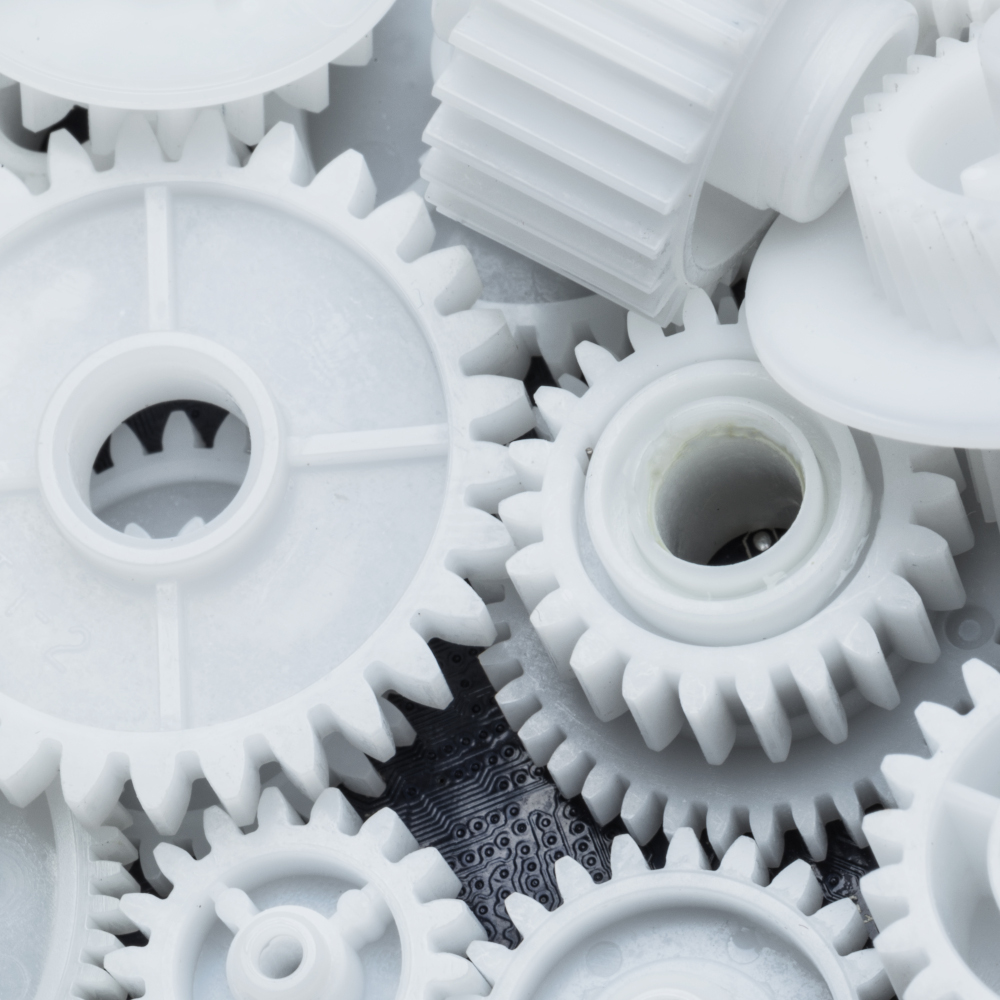
Can plastic gears be used in food and beverage processing machinery?
Plastic gears can be used in food and beverage processing machinery in certain applications. Here’s a detailed explanation of their suitability:
Plastic gears offer several advantages that make them a viable choice for certain food and beverage processing machinery applications:
- Corrosion Resistance: Many plastic materials, such as certain types of polypropylene (PP) or polyethylene (PE), exhibit excellent resistance to corrosion and chemical attack. This makes them suitable for use in food and beverage processing environments where exposure to acidic or alkaline substances, cleaning agents, or food ingredients is common.
- Hygienic Properties: Plastic gears can be designed to have smooth surfaces without any cracks, crevices, or pores, which can harbor bacteria or contaminants. This makes them easier to clean and sterilize, promoting hygienic conditions in food and beverage processing machinery.
- Lightweight: Plastic gears are generally lighter than metal gears, which can be advantageous in applications where weight reduction is desired. The reduced weight can simplify machinery design, reduce energy consumption, and ease handling during maintenance or equipment assembly.
- Noise Reduction: Plastic gears, with their inherent damping characteristics, can help reduce noise levels in food and beverage processing machinery. This is particularly beneficial in settings where noise control is crucial for maintaining a comfortable working environment.
- Non-Toxicity: Food-grade plastic materials, such as certain types of polyethylene terephthalate (PET) or polytetrafluoroethylene (PTFE), are approved for contact with food and beverages. These materials comply with regulatory standards for food safety and do not leach harmful substances into the processed products.
- Design Flexibility: Plastic gears offer greater design flexibility compared to metal gears. They can be molded into complex shapes and incorporate features such as self-lubrication, noise reduction, or specific gear profiles to optimize performance for food and beverage processing applications.
However, it’s important to note that there are certain considerations and limitations when using plastic gears in food and beverage processing machinery:
- Operating Conditions: Plastic gears have temperature limitations and may not be suitable for applications involving high temperatures or extreme temperature fluctuations. It’s essential to select plastic materials that can withstand the specific temperature range of the processing environment.
- Load Requirements: Plastic gears typically have lower load-bearing capacities compared to metal gears. They may not be suitable for heavy-duty applications that require withstanding high torque or significant forces. Careful consideration should be given to the torque and load requirements of the specific machinery application.
- Application-Specific Requirements: Some food and beverage processing machinery applications may have unique requirements, such as high-speed operation, abrasive ingredients, or frequent cleaning cycles. It’s crucial to assess whether plastic gears can meet these specific requirements and evaluate the need for additional reinforcements or modifications.
Overall, plastic gears can be successfully used in food and beverage processing machinery for suitable applications, offering benefits such as corrosion resistance, hygienic properties, lightweight design, noise reduction, and compliance with food safety standards. However, proper material selection, design considerations, and a thorough understanding of the application’s requirements are important to ensure the reliable and safe operation of the machinery.
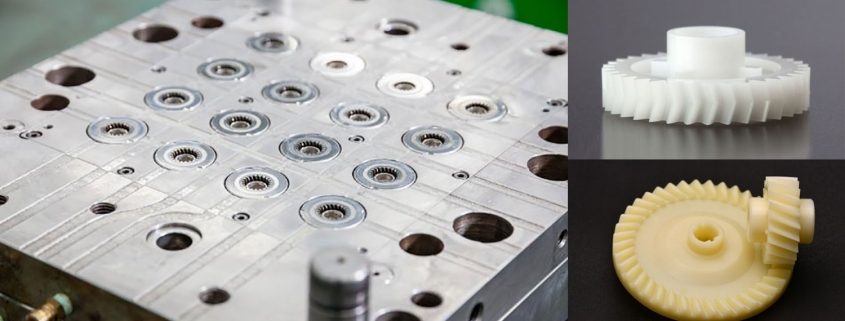
Are there specific design considerations for using plastic gears?
Yes, there are specific design considerations that need to be taken into account when using plastic gears. Here’s a detailed explanation of these considerations:
1. Material Selection: Choosing the right plastic material for the gear application is crucial. Different plastic materials have varying mechanical properties, such as strength, stiffness, and wear resistance. Consider factors such as load-bearing requirements, operating temperatures, environmental conditions, and compatibility with lubricants. It’s important to select a plastic material that can withstand the specific demands of the application.
2. Gear Geometry: The design of plastic gears should consider factors such as tooth profile, module or pitch, pressure angle, and tooth thickness. The gear geometry should be optimized to ensure proper meshing, efficient power transmission, and minimal noise and vibration. The design should also take into account the limitations and capabilities of the plastic material, such as its ability to form precise tooth profiles and maintain dimensional stability.
3. Clearances and Tolerances: Plastic gears may require different clearances and tolerances compared to metal gears. The coefficient of thermal expansion, dimensional stability, and manufacturing processes of plastic materials can affect the gear clearances. It’s important to consider the thermal expansion characteristics of the specific plastic material and provide appropriate clearances to accommodate temperature variations. Tight tolerances may result in binding or increased friction, while excessive clearances can lead to backlash and reduced gear accuracy.
4. Load Distribution: Distributing the load evenly across the gear teeth is essential for preventing premature wear and failure. Consider gear design elements such as tooth profile, tooth width, and the number of teeth to optimize load distribution. Reinforcing the gear teeth with fillets or other strengthening features can help improve load-bearing capacity and reduce stress concentrations.
5. Stiffness and Deflection: Plastic gears generally have lower stiffness compared to metal gears. The design should consider the potential for deflection or deformation under load. It may be necessary to increase the gear size, modify the tooth geometry, or incorporate additional support structures to enhance stiffness and minimize deflection. Analytical tools and simulations can be employed to assess and optimize gear design for stiffness and deflection.
6. Lubrication and Wear: Proper lubrication is important for the performance and durability of plastic gears. Consider the lubrication requirements of the specific plastic material and design features that facilitate effective lubricant distribution. Pay attention to potential wear mechanisms, such as adhesive wear or abrasive wear, and incorporate measures to minimize wear, such as optimized tooth profiles, lubricant selection, and sealing mechanisms.
7. Environmental Factors: Plastic gears may be subjected to various environmental factors such as temperature extremes, humidity, chemicals, and UV exposure. Evaluate the potential impact of these factors on the gear material and design. Select plastic materials that offer resistance to environmental degradation and consider protective measures, such as coatings or encapsulation, to enhance the gear’s resistance to environmental conditions.
8. Manufacturability: Consider the manufacturability of plastic gears during the design phase. Different plastic materials may have specific requirements or limitations for manufacturing processes such as injection molding or machining. Design features that facilitate efficient and cost-effective production, such as draft angles, parting lines, and tooling considerations, should be taken into account.
By considering these specific design considerations, such as material selection, gear geometry, clearances, load distribution, stiffness, lubrication, environmental factors, and manufacturability, it’s possible to optimize the design and performance of plastic gears for various applications.
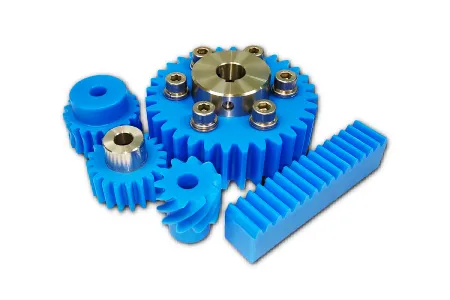
Can plastic gears replace metal gears in certain applications?
Yes, plastic gears can replace metal gears in certain applications. Here’s a detailed explanation:
Plastic gears offer a range of advantages that make them suitable alternatives to metal gears in specific scenarios. Some of the factors that determine whether plastic gears can replace metal gears include the application requirements, operating conditions, load capacity, and desired performance characteristics.
Advantages of Plastic Gears:
- Lightweight: Plastic gears are significantly lighter than metal gears, making them suitable for applications where weight reduction is important. This can lead to energy efficiency, reduced inertia, and lower wear on supporting components.
- Low Noise and Vibration: Plastic gears have inherent damping properties that help reduce noise and vibration levels during operation. This makes them suitable for applications where noise reduction is desired, such as in consumer electronics or office equipment.
- Corrosion Resistance: Certain plastic materials used in gear manufacturing exhibit excellent resistance to corrosion and chemicals. Plastic gears can be a suitable choice for applications in corrosive environments where metal gears may suffer from degradation.
- Self-Lubrication: Some plastic materials used for gear manufacturing have self-lubricating properties. This reduces friction and wear between gear teeth, eliminating the need for external lubrication and simplifying maintenance requirements.
- Cost-Effective: Plastic gears can be more cost-effective compared to metal gears, especially in large-scale production. Plastic materials are often less expensive than metals, and the manufacturing processes for plastic gears can be more efficient.
- Design Flexibility: Plastic gears offer greater design flexibility compared to metal gears. They can be molded into complex shapes, allowing for custom gear profiles and tooth geometries, resulting in optimized performance and efficiency for specific applications.
Limitations of Plastic Gears:
- High Torque and Load Capacity: Plastic gears may not have the same torque and load capacity as metal gears. In applications requiring high torque or heavy loads, metal gears may be more suitable due to their higher strength and durability.
- High Temperatures: Plastic gears have temperature limitations depending on the chosen material. In applications with high operating temperatures, metal gears that can withstand the heat may be necessary.
- Precision and Positioning: Plastic gears may not offer the same level of precision and positioning accuracy as metal gears. Applications that require tight tolerances and precise gear meshing may still require metal gears.
In summary, plastic gears can replace metal gears in certain applications where their advantages align with the specific requirements and operating conditions. It’s crucial to carefully evaluate the application needs, load capacity, temperature range, and other factors to determine if plastic gears are suitable replacements for metal gears.


editor by Dream 2024-04-30