China Custom CZPT Large Helical Spur Herringbone Girth Gear Ring, CZPT with High Quality and Factory Price bevel gear set
Product Description
Product Description
1.Herringbone Gear Processing
Double Helical Gear drawing CHECK, Make casting Mold, Forging Mold Quality Inspection Check, Machine Processing, Check Size\Hardness\Surface Finish and other technical parameters on drawing.
2.CHINAMFG Package
Spray anti-rust oil on Herringbone Gear Shaft, Wrap waterproof cloth around Gear Shaft for reducer, Prepare package by shaft shape&weight to choose steel frame, steel support or wooden box etc.
3. OEM Customized Gear
We supply OEM SERVICE, customized herringbone gear shaft with big module, more than 1tons big weight, more than 3m length, 42CrMo/35CrMo or your specified required material gear shaft.
Supply: Bevel/Helical/Spur/Internal Gear, Bevel/Spiral/Crown Pinion, Gear Segment/Helical Rack, Herringbone/Helical Gear Shaft/Eccentric Shaft/ Hollow Shaft/ Crank shaft/Camshaft, Abnormal Axle and other transmission parts for transmission device & equipment (large industrial reducer & driver),which mainly used on cement, mining, metallurgical industry, Seaport facilities etc.
Detailed Photos
Product Parameters
| Module | m | Range: 5~70 |
| Gear Teeth Number | z | OEM by drawing’s technical parameters |
| Teeth Height | H | OEM by drawing’s technical parameters |
| Teeth Thickness | S | OEM by drawing’s technical parameters |
| Tooth pitch | P | OEM by drawing’s technical parameters |
| Tooth addendum | Ha | OEM by drawing’s technical parameters |
| Tooth dedendum | Hf | OEM by drawing’s technical parameters |
| Working height | h’ | OEM by drawing’s technical parameters |
| Bottom clearance | C | OEM by drawing’s technical parameters |
| Pressure Angle | α | OEM by drawing’s technical parameters |
| Helix Angle, | OEM by drawing’s technical parameters | |
| Surface hardness | HRC | Range: HRC 50~HRC63(Quenching) |
| Hardness: | HB | Range: HB150~HB280; Hardening Tempering/ Hardened Tooth Surface |
| Surface finish | Range: Ra1.6~Ra3.2 | |
| Tooth surface roughness | Ra | Range: ≥0.4 |
| Gear Accuracy Grade | Grade Range: 5-6-7-8-9 (ISO 1328) | |
| Diameter | D | Range: 1m~16m |
| Weight | Kg | Range: Min. 100kg~Max. 80tons Single Piece |
| Gear Position | Internal/External Gear | |
| Toothed Portion Shape | Spur Gear/Bevel/Spiral/Helical/Straight | |
| Shaft shape | Herringbone Gear Shaft / Gear Shaft / Eccentric Shaft / Spur Gear / Girth Gear / Gear Wheel | |
| Material | Forging/ Casting |
Forging/ Casting 45/42CrMo/40Cr or OEM |
| Manufacturing Method | Cut Gear | |
| Gear Teeth Milling | √ | |
| Gear Teeth Grinding | √ | |
| Heat Treatment | Quenching /Carburizing | |
| Sand Blasting | Null | |
| Testing | UT\MT | |
| Trademark | TOTEM/OEM | |
| Application | Gearbox, Reducer, Petroleum,Cement,Mining,Metallurgy etc. Wind driven generator,vertical mill reducer,oil rig helical gear,petroleum slurry pump gear shaft |
|
| Transport Package | Export package (wooden box, steel frame etc.) | |
| Origin | China | |
| HS Code | 8483409000 |
Company Profile
TOTEM Machinery focus on supplying GEAR SHAFT, ECCENTRIC SHAFT, HERRINGBONE GEAR, BEVEL GEAR, INTERNAL GEAR and other parts for transmission devices & equipments(large industrial reducers & drivers). Which were mainly used in the fields of port facilities, cement, mining, metallurgical industry etc. We invested in several machine processing factories,forging factories and casting factories,relies on these strong reliable and high-quality supplier network, to let our customers worry free.
1.Workshop & Processin
2. Testing Facilities
3. Customer Inspection & Shipping
FAQ
What’s CHINAMFG product processing progress?
Drawing CHECK, Make Forging Mold, Forging Mold Quality Inspection Check, Machine Processing, Check Size\Hardness\Surface Finish and other technical parameters on drawing.
How about TOTEM’s export package?
Spray anti-rust oil on Herringbone Gear Shaft, Wrap waterproof cloth around Gear Shaft for reducer, Prepare package by shaft shape&weight to choose steel frame, steel support or wooden box etc.
Could I customize gear\gear shaft on TOTEM?
We supply customized Gear Shaft,Eccentric Shaft,Herringbone Gear,Internal Gear,Bevel Gear with big module, more than 1tons big weight, more than 3m length, forging or casting 42CrMo/35CrMo or your specified required material.
Why can I choose TOTEM?
TOTEM has 24hrs Salesman on-line, guarantee quick and positive feedback.
TOTEM Machinery invests and becomes shareholders of several machine processing factories, forging factories, casting factories, relies on these strong reliable and high-quality supplier’s network, to let customers worry-free purchase.
Experienced and Professional Forwarder Guarantee Log. transportation.
/* March 10, 2571 17:59:20 */!function(){function s(e,r){var a,o={};try{e&&e.split(“,”).forEach(function(e,t){e&&(a=e.match(/(.*?):(.*)$/))&&1
| Application: | Motor, Machinery, Marine, Cement |
|---|---|
| Hardness: | Hardened Tooth Surface |
| Gear Position: | Internal/External |
| Manufacturing Method: | Cast Gear |
| Toothed Portion Shape: | Bevel Wheel |
| Material: | Cast Steel |
| Customization: |
Available
| Customized Request |
|---|
How do herringbone gears contribute to smooth power transmission?
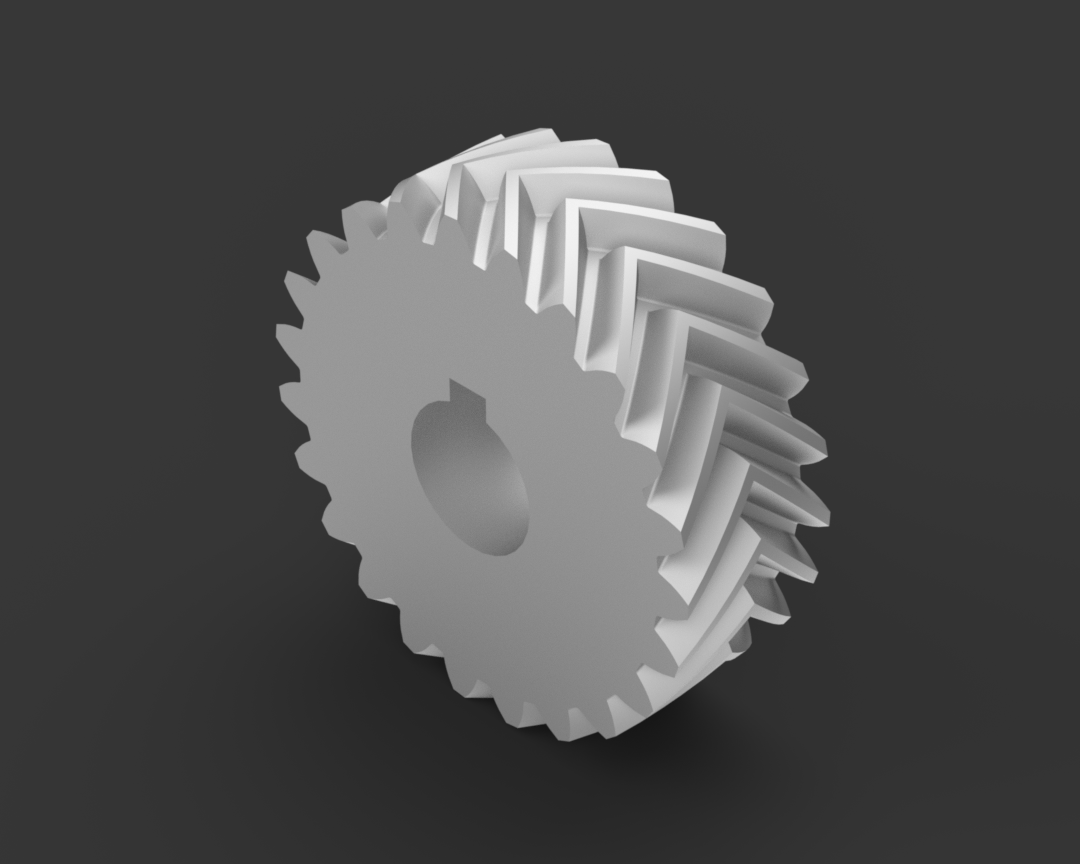
Herringbone gears contribute to smooth power transmission through their unique design and characteristics. Here’s a detailed explanation of how herringbone gears achieve smooth power transmission:
- Opposing Helix Angles: Herringbone gears have a double helical tooth profile with opposing helix angles on each side. The helix angles are inclined in opposite directions to each other. This design feature helps to cancel out axial and radial forces that would occur in single helical gears. The opposing helix angles create a self-centering effect that promotes proper tooth engagement and load distribution, reducing gear vibrations and ensuring smooth power transmission.
- Reduced Vibration and Noise: The opposing helix angles of the herringbone gear teeth minimize gear vibrations during operation. When the teeth of one side of the gear mesh with the teeth of the other side, the opposing helix angles create a balanced force distribution that counteracts any tendency for the gear to move laterally. This results in reduced vibration and noise levels, making herringbone gears ideal for applications where quiet operation is desired, such as precision machinery and automotive transmissions.
- Large Contact Area: Herringbone gears have a larger contact area compared to spur gears. The double helical tooth profile allows for overlapping engagement of the gear teeth, resulting in a larger contact ratio. This increased contact area distributes the transmitted torque over more teeth, reducing the stress on individual teeth and promoting smoother power transmission. The larger contact area also helps to minimize wear and improve the overall durability of the gear system.
- Enhanced Load Distribution: The double helical tooth design of herringbone gears provides improved load distribution along the tooth surfaces. The opposing helix angles help to evenly distribute the transmitted load between the two sides of the gear. This balanced load distribution minimizes localized stress concentrations and reduces the risk of tooth failure. It ensures that the torque is transmitted smoothly across the entire tooth profile, resulting in efficient power transmission and reduced wear.
- Efficient Torque Transfer: Herringbone gears offer efficient torque transfer due to their large contact area and overlapping tooth engagement. The double helical tooth profile provides a larger contact ratio compared to spur gears, allowing for a greater number of teeth in contact at any given time. This increased contact ratio distributes the torque more evenly, reducing the risk of tooth shear and improving power transmission efficiency. The efficient torque transfer contributes to smooth and reliable operation of the gear system.
These factors combined – opposing helix angles, reduced vibration and noise, large contact area, enhanced load distribution, and efficient torque transfer – contribute to the smooth power transmission capabilities of herringbone gears. Their design minimizes the effects of axial and radial forces, promotes balanced load distribution, and ensures reliable and efficient power transfer in various applications.
What lubrication is required for herringbone gears?
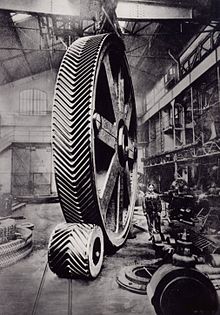
Proper lubrication is essential for the smooth and efficient operation of herringbone gears. The lubricant used in herringbone gear systems plays a crucial role in reducing friction, minimizing wear, dissipating heat, and protecting the gear surfaces. Here’s a detailed explanation of the lubrication requirements for herringbone gears:
- Lubricant Selection: When selecting a lubricant for herringbone gears, it is important to consider factors such as load, speed, operating temperature, and environmental conditions. The lubricant should have suitable viscosity and additives to provide adequate film thickness and maintain lubrication under the anticipated operating conditions. Commonly used lubricants for herringbone gears include mineral oils, synthetic oils, and specialty lubricants formulated for gear applications.
- Viscosity: The viscosity of the lubricant is crucial for ensuring proper lubrication and film formation between the gear teeth. The lubricant should have sufficient viscosity to create an effective lubricating film that separates the gear surfaces and reduces friction. It should be able to maintain this film under the operating conditions, ensuring smooth gear engagement and minimizing wear. The appropriate viscosity grade is typically specified by the gear system manufacturer based on the gear design, load, and speed.
- Lubricant Application: The lubricant should be applied to the gear system in the appropriate manner to ensure uniform coverage and distribution. In most cases, herringbone gears are lubricated by immersion or splash lubrication, where the gears partially or fully submerge in the lubricant or have the lubricant splashed onto their surfaces. The lubricant should be directed towards the gear meshing area to ensure proper lubrication of the gear teeth and contact surfaces.
- Lubricant Maintenance: Regular lubricant maintenance is essential to ensure the continued performance and longevity of herringbone gears. This includes monitoring the lubricant condition, checking for contamination, and replenishing or replacing the lubricant as necessary. Over time, the lubricant may degrade, become contaminated with particles or moisture, or lose its effectiveness. Regular inspections and lubricant analysis can help identify any issues and determine the appropriate maintenance intervals for lubricant replacement or replenishment.
- Sealing and Contamination Prevention: Proper sealing of the gear housing or enclosure is important to prevent the ingress of contaminants, such as dust, dirt, or moisture, into the gear system. Contaminants can degrade the lubricant and lead to increased wear and damage to the gear surfaces. Seals, gaskets, or other appropriate sealing mechanisms should be employed to minimize the risk of contamination and maintain the integrity of the lubricant.
It is important to consult the gear system manufacturer’s recommendations and specifications regarding lubrication requirements. The manufacturer may provide specific guidelines regarding lubricant type, viscosity, application methods, and maintenance procedures based on the gear design and intended operating conditions. Adhering to these guidelines will help ensure optimal lubrication and maximize the performance and service life of herringbone gears.
Can you explain the unique shape of herringbone gear teeth?
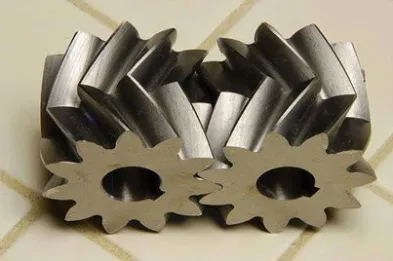
The unique shape of herringbone gear teeth is a defining characteristic of herringbone gears, also known as double helical gears. Here’s a detailed explanation of the unique shape of herringbone gear teeth:
Herringbone gears have a V-shaped or herringbone-shaped tooth profile, which is formed by two helical gear sections that are mirror images of each other. This tooth profile is distinct from the straight or helical tooth profiles found in other types of gears such as spur gears or helical gears.
When viewed from the end, the teeth of a herringbone gear resemble the letter “V”. This shape is created by the combination of two opposing helix angles, one on each side of the gear. The helix angle refers to the angle at which the teeth are inclined relative to the gear’s axis.
In a herringbone gear, the helix angle of one helical section is opposite in direction to the helix angle of the other helical section. This means that as the gear rotates, the teeth on one side lean in one direction, while the teeth on the other side lean in the opposite direction.
The opposing helix angles of the two gear sections in herringbone gears serve several important purposes:
- Axial Thrust Elimination: One of the main advantages of the herringbone gear design is the elimination of axial thrust or end thrust forces. In helical gears, the helix angle of the teeth generates an axial force along the gear’s axis during rotation. However, in herringbone gears, the opposing helix angles cancel out these axial forces, resulting in a balanced gear that does not experience significant axial movement or require thrust bearings.
- Smooth Engagement: The opposing helix angles of herringbone gears facilitate smooth and gradual tooth engagement. As the gear rotates, the teeth on one side gradually come into contact with the teeth on the other side. This gradual meshing reduces sliding friction, minimizes backlash, and ensures a continuous and smooth transfer of power between the gear sections.
- Increased Load Capacity: The V-shaped tooth profile of herringbone gears provides increased tooth contact area compared to gears with straight or helical teeth. This increased contact area improves load distribution and allows herringbone gears to handle higher torque loads, resulting in an increased load-carrying capacity.
The unique shape of herringbone gear teeth requires precise manufacturing techniques to ensure proper meshing and alignment of the gear sections. The teeth must be accurately machined to achieve the correct helix angles and tooth profiles, ensuring smooth operation and efficient power transmission.
In summary, the unique shape of herringbone gear teeth, with their V-shaped or herringbone-shaped profile formed by opposing helix angles, enables axial thrust elimination, smooth engagement, and increased load capacity. These characteristics make herringbone gears well-suited for applications where efficient torque transmission, balanced operation, and high load-carrying capacity are essential.


editor by CX 2024-02-18